




Capital One Discover Merger: What It Means for Credit Cards & COF Stock
Web Desk প্রকাশিত: ১৯ এপ্রিল, ২০২৫, ০৪:০৪ পিএম
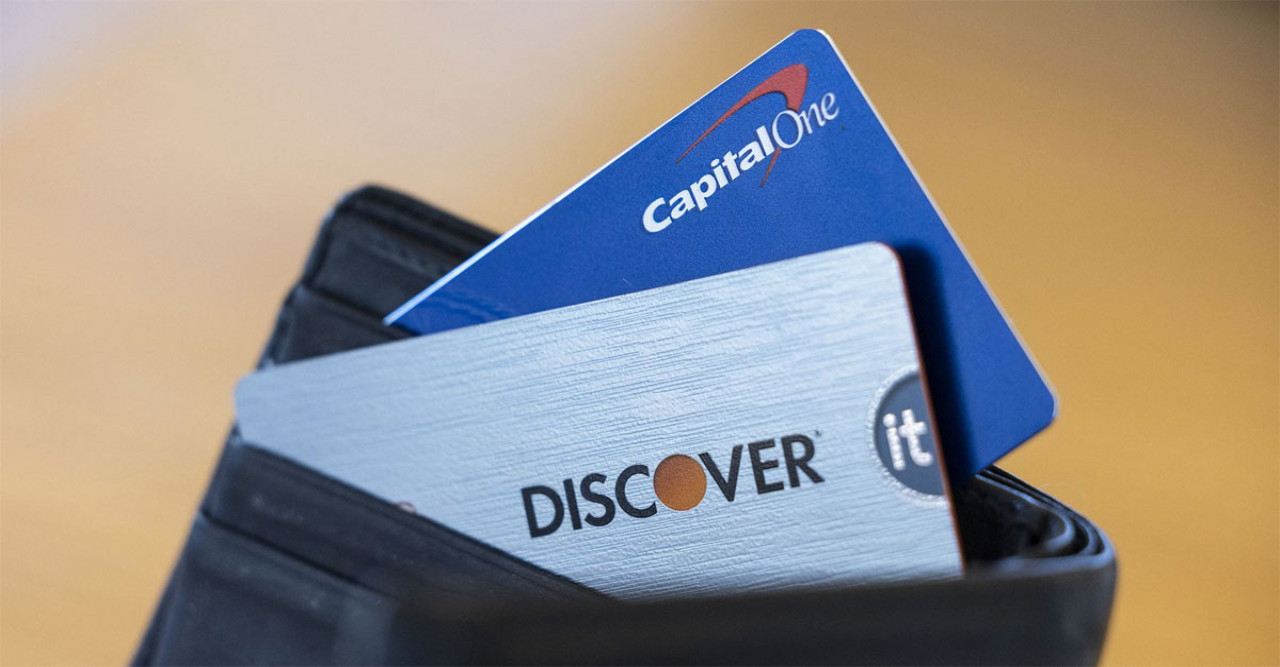
Big news in the finance world! The Capital One Discover merger is shaking up the credit card industry, impacting Capital One credit card users, and influencing Capital One Discover COF stock movements. If you're a customer, investor, or just curious about how this deal changes the game, you're in the right place.
This article breaks down everything you need to know—why this merger matters, how it affects your wallet, and what it means for stock market investors. Let’s dive in!
What’s the Capital One Discover Merger All About?
The Capital One Discover merger is one of the biggest financial deals in recent years. Capital One, known for its popular Capital One credit card offerings, is acquiring Discover Financial Services, a major player in the payments network space.
Key Details of the Deal
-
Deal Value: $35.3 billion (all-stock transaction).
-
Expected Close Date: Late 2024 or early 2025, pending regulatory approval.
-
Combined Entity: Will create one of the largest credit card issuers in the U.S.
Why Is This Merger Happening?
-
Stronger Competition: Together, they can better rival giants like Visa and Mastercard.
-
Expanded Network: Discover’s payment network adds value to Capital One’s operations.
-
Cost Savings: Merging operations could save billions over time.
How Will This Affect Capital One Credit Card Users?
If you own a Capital One credit card, here’s what might change (and what won’t):
Potential Benefits
-
More Rewards & Perks: Merged resources could lead to better cashback and travel rewards.
-
Wider Acceptance: Discover’s network could mean more places accept Capital One cards.
-
Enhanced Digital Features: Expect better mobile banking and fraud protection.
Possible Downsides
-
Account Changes: Some card terms might be adjusted post-merger.
-
Customer Service Delays: Transition phases can sometimes slow support.
Will Discover Cards Disappear?
Not immediately. Discover cards will likely operate under their own brand for now, but long-term changes are possible.
Impact on Capital One Discover COF Stock
Investors are closely watching Capital One Discover COF stock for opportunities. Here’s the latest analysis:
Stock Market Reaction
-
Capital One (COF) Stock: Initially surged on the news but faces regulatory uncertainty.
-
Discover (DFS) Stock: Jumped significantly as shareholders get Capital One shares.
Should You Buy, Hold, or Sell?
-
Short-Term: Volatility expected until the deal finalizes.
-
Long-Term: If approved, the combined company could be a powerhouse, boosting stock value.
Regulatory Hurdles: Will the Merger Go Through?
The Capital One Discover merger isn’t a done deal yet. Regulators will scrutinize it for:
-
Anti-Competition Concerns: Will this reduce market competition?
-
Consumer Protection: Are customers at risk of higher fees or worse service?
-
Financial Stability: Does this create a "too big to fail" scenario?
Chances of Approval?
Experts are split—some say yes, others fear pushback like the blocked JetBlue-Spirit merger.
What’s Next for Customers & Investors?
While we wait for regulatory decisions, here’s what to do:
For Capital One Credit Card Holders
-
Monitor communications from Capital One for updates.
-
Keep an eye on reward program changes.
For COF Stock Investors
-
Watch for regulatory news—it will drive stock movement.
-
Consider long-term potential if the merger succeeds.
FAQs About the Capital One Discover Merger
Will my Capital One credit card stop working?
No, your card will continue to work as usual. Any changes will be communicated in advance.
What happens to Discover cardholders?
For now, nothing changes. Long-term, Discover cards may integrate into Capital One’s system.
Is this good for COF stock?
If approved, the merger could strengthen Capital One’s market position, potentially boosting the stock long-term.
When will the merger be finalized?
Late 2024 or early 2025, assuming regulators approve it.
Could the merger be blocked?
Yes, if regulators believe it harms competition or consumers.
Final Thoughts
The Capital One Discover merger is a massive deal with far-reaching effects—from Capital One credit card perks to Capital One Discover COF stock performance. While there’s excitement, regulatory hurdles remain.
Stay informed, keep an eye on updates, and adjust your financial strategies accordingly. This could be a game-changer in the credit card and banking world!