



Russia Cautions World After Trump’s Nuclear Remarks
Web Desk প্রকাশিত: ০৬ আগস্ট, ২০২৫, ০৫:০৮ পিএম
Tensions between the United States and Russia have escalated following comments from U.S. President Donald Trump about nuclear capabilities. Russia’s response urged caution, raising concerns about potential conflict while emphasizing a desire to avoid confrontation.
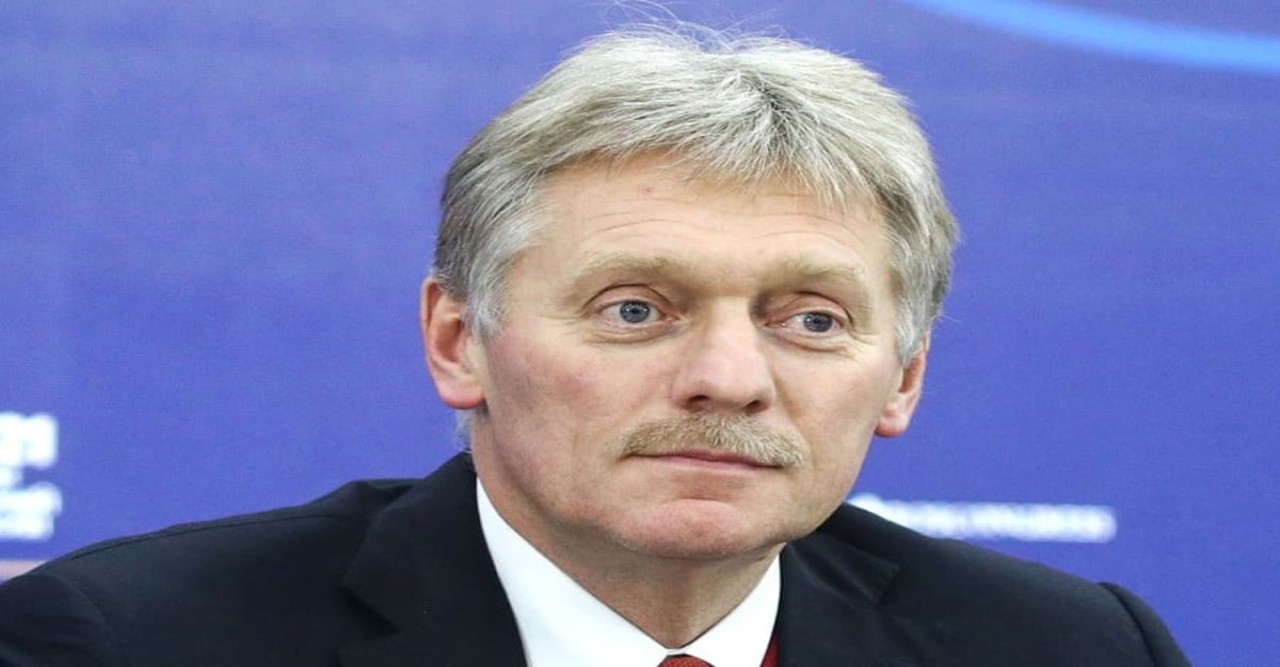
The Kremlin’s spokesperson, Dmitry Peskov, addressed Trump’s statements, urging all parties to remain vigilant. He described the situation as highly sensitive and stressed that Russia does not wish to engage in any conflict or heated debates.
Peskov emphasized that Russia’s leadership, led by its president, holds the final authority on such matters. He avoided elaborating further, signaling a cautious approach to the escalating rhetoric between the two nations.
Trump recently warned Russia, stating that their provocative language could have serious consequences. He highlighted the power of words and suggested Russia might face repercussions for their statements, particularly from former leaders.
The U.S. president referenced comments by Dmitry Medvedev, Russia’s former president, who still holds significant influence. Trump claimed Medvedev’s remarks prompted him to deploy two nuclear-capable submarines to strategic locations as a precaution.
In addition to nuclear concerns, Trump announced plans to impose high tariffs on goods from Russia and India. He described these measures as a way to weaken the economies of both nations significantly.
Russia’s response comes amid growing global unease about the potential for conflict. Peskov’s call for caution reflects a desire to de-escalate tensions while addressing the seriousness of Trump’s remarks and actions.
The deployment of U.S. submarines has heightened fears of a military standoff. Both nations possess significant nuclear arsenals, making any escalation a matter of global concern for leaders and citizens alike.
Trump’s tariffs have also sparked worries about economic fallout. By targeting Russia and India, he aims to pressure their economies, but this could disrupt global trade and strain diplomatic relations further.
Russia has maintained a firm stance, with Peskov reiterating that the country’s leadership will make decisions in its best interest. This underscores Russia’s resolve to protect its sovereignty amid rising tensions.
The exchange of statements has fueled speculation about the possibility of conflict. Observers are closely watching how both nations navigate this delicate situation, hoping for restraint and diplomatic solutions.
Global leaders have yet to comment extensively, but the situation has drawn attention to the need for dialogue. Avoiding escalation remains critical as the world monitors U.S.-Russia relations closely.
The nuclear rhetoric has revived memories of Cold War tensions. Both sides are aware of the catastrophic consequences of any misstep, making careful communication essential to prevent misunderstandings.
As the situation unfolds, Russia’s call for vigilance serves as a reminder of the stakes involved. The international community hopes for de-escalation to avoid a crisis with far-reaching consequences.
FAQs
What did Trump say about Russia’s statements?
Trump warned that Russia’s provocative language could lead to serious consequences, emphasizing the importance of careful communication.
How did Russia respond to Trump’s nuclear remarks?
Dmitry Peskov urged caution, calling the issue sensitive and stating Russia does not want conflict or debates.
What actions did Trump take regarding submarines?
Trump ordered the deployment of two nuclear-capable submarines in response to comments by Russia’s former president, Dmitry Medvedev.
What are Trump’s tariff plans for Russia and India?
Trump announced high tariffs on goods from Russia and India, aiming to weaken their economies significantly.
Who is Dmitry Medvedev in this context?
Dmitry Medvedev is Russia’s former president, whose recent remarks prompted Trump’s decision to deploy nuclear-capable submarines.
Why is Russia cautious about escalating tensions?
Russia wants to avoid conflict and believes its president holds the final authority on such sensitive matters.
How has the world reacted to this situation?
Global leaders have not commented extensively, but there is growing concern about the potential for conflict and economic disruption.
What are the risks of this U.S.-Russia tension?
The risks include military escalation, economic fallout from tariffs, and strained global relations due to nuclear rhetoric.
What is the historical context of this situation?
The exchange recalls Cold War tensions, highlighting the need for careful diplomacy to avoid catastrophic misunderstandings.