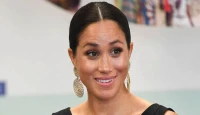
A digital influencer named Mia Zelu has gone viral after posting AI-generated images that made it appear she attended Wimbledon 2026. The photos, showing her courtside with a drink in hand, looked so real that many believed she was actually there.
The post, shared on July 7, featured Mia in a stylish outfit at the All England Club, captioned, "Still not over the event... but the party's a whole other game. Which Wimbledon match was your fave? #wimbledon #tennislife." Despite her profile stating she is an AI, the post gained over 55,000 likes.
Mia Zelu is part of a growing trend of AI influencers who post lifelike content. Her creator remains unknown, but her posts often include emotional captions about personal struggles, making her seem more human. In one post, she discussed burnout, writing, "Pretending you're okay while slowly burning out is exhausting."

She is not alone in the digital world—her "sister," Ana Zelu, is another AI influencer with nearly 300,000 followers. Ana introduced Mia in March, creating a fictional family dynamic that attracts followers.
The viral post highlights how advanced AI-generated content has become, raising questions about authenticity on social media. As AI influencers grow more realistic, distinguishing between real and fake content becomes harder for users.
Experts warn that such realistic AI content could spread misinformation. Social media platforms may need stricter labeling rules to help users identify AI-generated posts. Meanwhile, Mia Zelu’s popularity shows how engaging digital personalities can be, even if they aren’t real.
AI influencers like Mia are changing how brands approach marketing. Some companies now collaborate with virtual personalities to reach younger audiences who engage more with digital content than traditional ads.
Despite their artificial nature, AI influencers develop loyal followings. Fans interact with them as if they were real people, commenting on their posts and sharing their content widely. This phenomenon blurs the line between reality and simulation.
The rise of AI influencers also raises ethical concerns. Should they disclose their artificial nature more clearly? Can they be held accountable for misleading posts? These questions remain unanswered as technology advances.
Mia Zelu’s Wimbledon post is just one example of how AI is reshaping social media. As these digital personas become more common, users must stay aware of what’s real and what’s computer-generated.
For now, Mia continues to grow her following, posting fashion, lifestyle, and event content—all created by AI. Her success suggests that virtual influencers are here to stay, changing the future of online interaction.