The US imposed a 25% import tariff on India starting August 1. The decision stems from India’s continued purchase of Russian oil and stalled trade talks, causing frustration for the US administration.
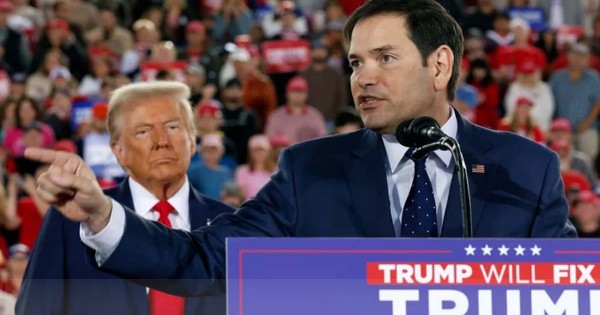
US Secretary of State Marco Rubio explained the reasons behind the tariffs. India, a strategic partner, buys affordable Russian oil, which indirectly funds Russia’s war efforts in Ukraine, creating tensions with the US.
Rubio noted that India’s energy needs are vast, including oil, coal, and gas. Russia offers cheap oil due to sanctions, making it attractive. However, this supports Russia’s war funding, which the US opposes.
Beyond oil, trade disagreements fuel US frustration. The US wants access to India’s agriculture and dairy markets. However, India resists, fearing corporate control could harm its farmers, a sensitive issue after past protests.
India’s government remains firm, prioritizing its farmers and national interests. This resistance has stalled trade negotiations, as the US pushes for market access while India protects its agricultural sector.
The 25% tariff reflects these unresolved issues. The US aims to pressure India into aligning with its trade and geopolitical goals, but India is unlikely to yield easily.
This tariff hike highlights broader US-India trade tensions. While the two nations remain partners, disagreements over oil and market access continue to challenge their economic relationship.
India has not publicly responded to the latest tariffs but has previously vowed to safeguard its interests. The government is expected to explore measures to counter the US trade restrictions.
The situation underscores the complex balance of global trade and geopolitics. The US seeks to curb Russia’s influence, while India navigates its energy needs and domestic priorities.
As tensions persist, both nations face the challenge of finding common ground. The tariffs signal a tougher US stance, but India’s response will shape the future of their trade ties.