


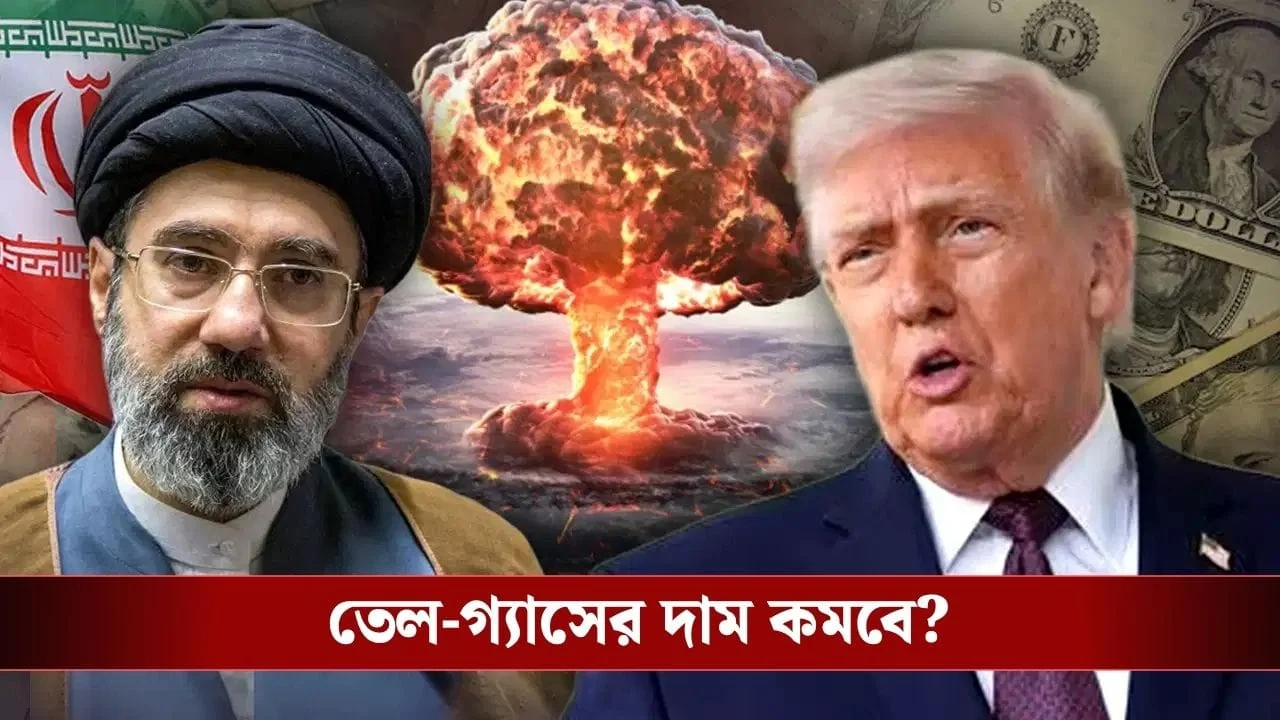
The United States and Iran have finalized a historic peace agreement, ending over three months of intense conflict that disrupted global energy markets and threatened regional stability. The breakthrough deal includes the immediate reopening of the Strait of Hormuz, one of the world's most critical maritime trade routes, and paves the way for a 60-day negotiation period to address broader geopolitical issues, including Iran's nuclear program.
Formal signing of the Memorandum of Understanding is scheduled for June 19 in Geneva, Switzerland, with both nations confirming the draft text has been finalized. The agreement follows more than 100 days of hostilities that began in late February, during which global oil prices surged past $120 per barrel and vital shipping lanes were disrupted.
Crude Oil Prices Plunge, Global Markets Respond Positively
The announcement triggered an immediate and significant response in global energy markets. Brent crude oil prices fell approximately 5% to around $83-84 per barrel, marking the sharpest decline since the conflict began. West Texas Intermediate crude experienced similar declines as investors anticipated the restoration of normal traffic through the Strait of Hormuz.
European and Asian stock markets rallied following the news. Japan's Nikkei 225 index gained over 5%, while the S&P 500 and Dow Jones futures advanced, reflecting widespread investor confidence in improved global supply chain stability. The geopolitical risk premium that had been embedded in oil prices throughout the conflict is rapidly being eliminated as markets reassess the energy supply outlook.
India to Benefit Significantly from Restored Energy Stability
India stands to gain substantial economic benefits from the peace deal, given its heavy dependence on West Asian energy imports. The country sources approximately 50% of its crude oil imports, 70% of its LPG requirements, and nearly 90% of its LNG imports from the region.
Economic think tank GTRI highlighted that the conflict exposed India's vulnerability to disruptions in the region, raising energy import costs, weakening the rupee, and fueling inflationary pressures. The reopening of the Strait of Hormuz is expected to stabilize energy markets and ease these pressures significantly.
Indian exporters are anticipating a revival of trade with Gulf Cooperation Council countries after months of conflict-driven uncertainty. Trade data shows India's exports to West Asia fell sharply from $6.48 billion in January to $2.62 billion in March before recovering to $5.30 billion in May. The agreement is expected to restore confidence in shipping, lower freight and insurance costs, and improve cargo movement.
Industry bodies project that the reopening of the strait could create an additional $10-12 billion in export opportunities for Indian micro, small, and medium enterprises over the next year. Sectors including engineering goods, textiles, pharmaceuticals, food products, and chemicals are expected to benefit from restored trade flows.
Rupee Strengthens, Economic Pressures Ease
The Indian rupee strengthened nearly 1.1% against the US dollar over two trading sessions, opening at 94.61 on June 16 compared to 95.32 recorded earlier during the peak of the conflict. Government bond yields also declined as investors responded positively to lower oil prices and improved sentiment across emerging markets.
Analysts estimate that every $10-per-barrel reduction in crude oil prices lowers India's annual import bill by approximately $13-14 billion and narrows the current account deficit by roughly 0.3 percentage points. This macroeconomic relief comes at a crucial time when policymakers are focused on preserving stability amid external shocks.
Chabahar Port and INSTC Corridor Gain Strategic Significance
The peace agreement could revitalize India's strategic interest in Iran's Chabahar port, which had been threatened by US sanctions waivers that expired on April 26. The port serves as India's gateway to Afghanistan, Central Asia, and the International North-South Transport Corridor, connecting Indian ports through Iran to Russia and European markets.
A stable West Asia would make the INSTC corridor commercially viable and provide India with alternative trade routes, bypassing potential bottlenecks in traditional shipping lanes. This strategic asset had been under pressure during the conflict, with reports indicating India was exploring temporary transfer options for its stake in the Chabahar Free Zone.
Implementation Challenges Remain
Despite the positive market reaction, experts caution that significant implementation challenges remain. Elevated war-risk insurance premiums may persist above pre-conflict levels, potentially keeping India's effective crude costs higher than benchmark prices suggest.
The crucial 60-day negotiation window will address the most contentious elements, including Iran's nuclear program, enrichment limits, international inspections, and the sequencing of sanctions relief. US officials maintain that the long-term objective is the complete termination of Iran's nuclear program, while Tehran continues to assert that its nuclear activities are for peaceful purposes.
The sustainability of the peace rally will depend on whether broader geopolitical tensions in the Middle East remain contained and whether both parties fulfill their commitments in the coming months. For India, the reopening of the Strait of Hormuz offers welcome economic relief, but analysts warn that a complete recovery in trade and energy markets may take time to materialize as shipping confidence gradually returns.