




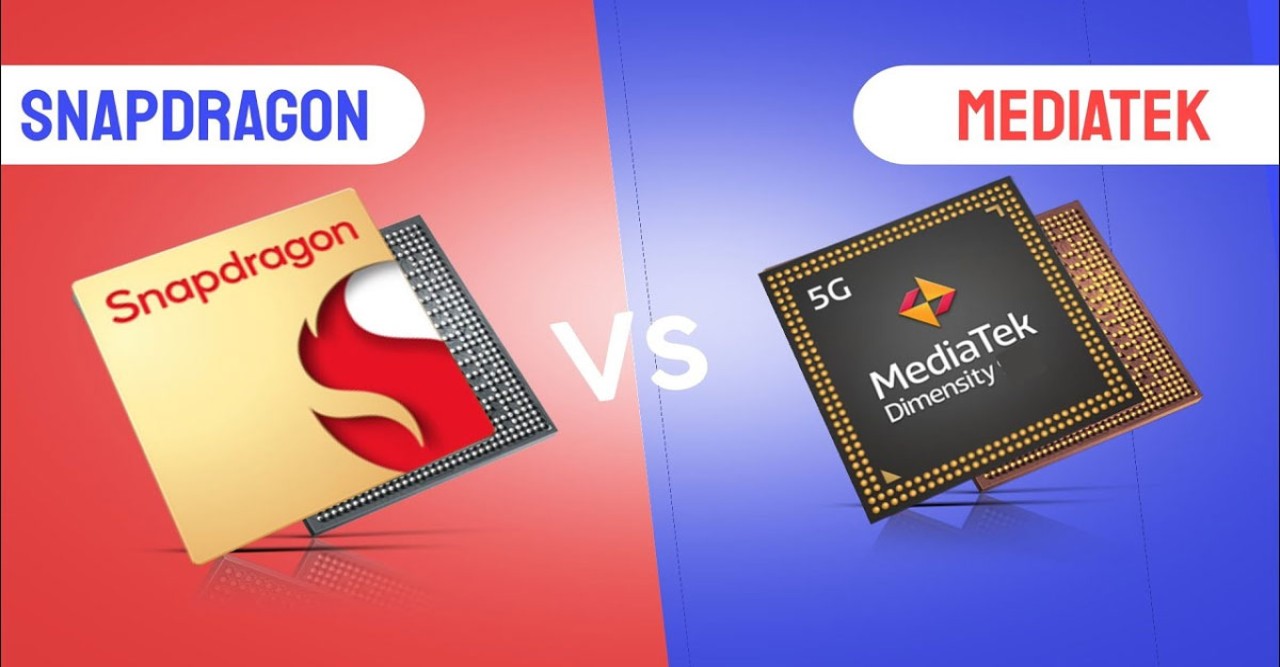
In the fast-evolving world of mobile technology, the chipset is the heart of any device, driving performance, efficiency, and user experience. Two giants dominate this space: MediaTek, a Taiwanese innovator, and Qualcomm’s Snapdragon, an American powerhouse. But which chipset reigns supreme? Let’s dive into a detailed comparison, exploring their strengths, weaknesses, and what they mean for consumers.
MediaTek, based in Hsinchu, Taiwan, is renowned for its multi-core processors, including octa-core and deca-core designs. These chipsets prioritize raw power, leveraging multiple cores to tackle demanding tasks. According to TechRadar, MediaTek’s Dimensity series, like the Dimensity 9200, delivers impressive multi-core performance, rivaling premium chips in benchmarks like Geekbench. However, their power-hungry nature historically led to shorter battery life, though recent optimizations in chips like the Dimensity 8300 have narrowed this gap, per AnandTech.
Snapdragon, crafted by Qualcomm in San Diego, California, takes a different approach with its System-on-Chip (SoC) architecture. Snapdragon integrates CPU, GPU (Adreno), modem, and other modules into a single chip, enhancing efficiency. The Snapdragon 8 Gen 3, for instance, powers flagship devices like the Samsung Galaxy S25, offering stellar performance and 5G connectivity, as noted by CNET. This all-in-one design makes Snapdragon pricier but highly versatile.
Battery efficiency is a critical battleground. MediaTek chipsets, despite improvements, still lag behind Snapdragon in power management. Qualcomm’s chips, built on advanced nodes like TSMC’s 4nm process, optimize energy use, extending battery life significantly. A 2025 GSMArena report highlights Snapdragon’s ability to maintain performance during extended gaming sessions without draining batteries as quickly as MediaTek’s offerings.
Performance is where both chipsets shine, but in different ways. MediaTek’s multi-core designs excel in multi-tasking, handling apps like video editors or heavy browsers with ease, provided sufficient RAM is available. Snapdragon, however, balances single-core and multi-core performance, making it ideal for gaming and AI-driven tasks. Benchmarks from Tom’s Guide show Snapdragon’s Adreno GPU outperforming MediaTek’s Mali GPU in graphics-intensive games like Genshin Impact.
Heating remains a concern for both, but MediaTek processors tend to run hotter due to their core-heavy designs. Recent advancements, like MediaTek’s improved thermal management in the Dimensity 9300, have mitigated this, but Snapdragon’s efficient architecture still holds an edge, especially in prolonged use, according to Android Authority. This makes Snapdragon a preferred choice for gamers and power users.
Graphics performance is another key differentiator. MediaTek relies on third-party Mali GPUs, which, while capable, struggle to match the CPU’s prowess, leading to occasional performance mismatches. Snapdragon’s in-house Adreno GPUs, tailored to its CPUs, deliver smoother visuals and higher frame rates, as seen in devices like the OnePlus 13, per Digital Trends. This synergy gives Snapdragon an advantage in gaming and AR/VR applications.
Cost is a significant factor. MediaTek’s affordability makes it a favorite for budget and mid-range devices, powering brands like Xiaomi and Realme. Snapdragon, with its premium SoCs, dominates high-end markets but comes at a higher cost. A 2025 X post from a tech analyst noted that MediaTek’s cost-effectiveness drives its adoption in emerging markets, while Snapdragon remains the go-to for flagship phones.
Connectivity is another area where Snapdragon excels. Its integrated 5G modems, like the X70 in the Snapdragon 8 Gen 3, offer faster and more reliable connections compared to MediaTek’s separate modem designs. Qualcomm’s focus on AI, with dedicated Neural Processing Units, also enhances features like voice recognition and camera processing, as reported by The Verge.
However, MediaTek is catching up. Its Dimensity chips now support advanced AI and 5G features, narrowing the gap with Snapdragon. A TechSpot analysis suggests MediaTek’s aggressive R&D investments are challenging Qualcomm’s dominance, especially in mid-range devices where cost and performance balance is crucial.
In conclusion, choosing between MediaTek and Snapdragon depends on priorities. MediaTek offers value and raw power, ideal for budget-conscious consumers and multi-taskers. Snapdragon delivers superior efficiency, graphics, and connectivity for premium experiences. As competition intensifies, both companies are pushing boundaries, ensuring consumers benefit from innovation. For the latest updates on chipsets and mobile tech, stay tuned to industry leaders and tech blogs.