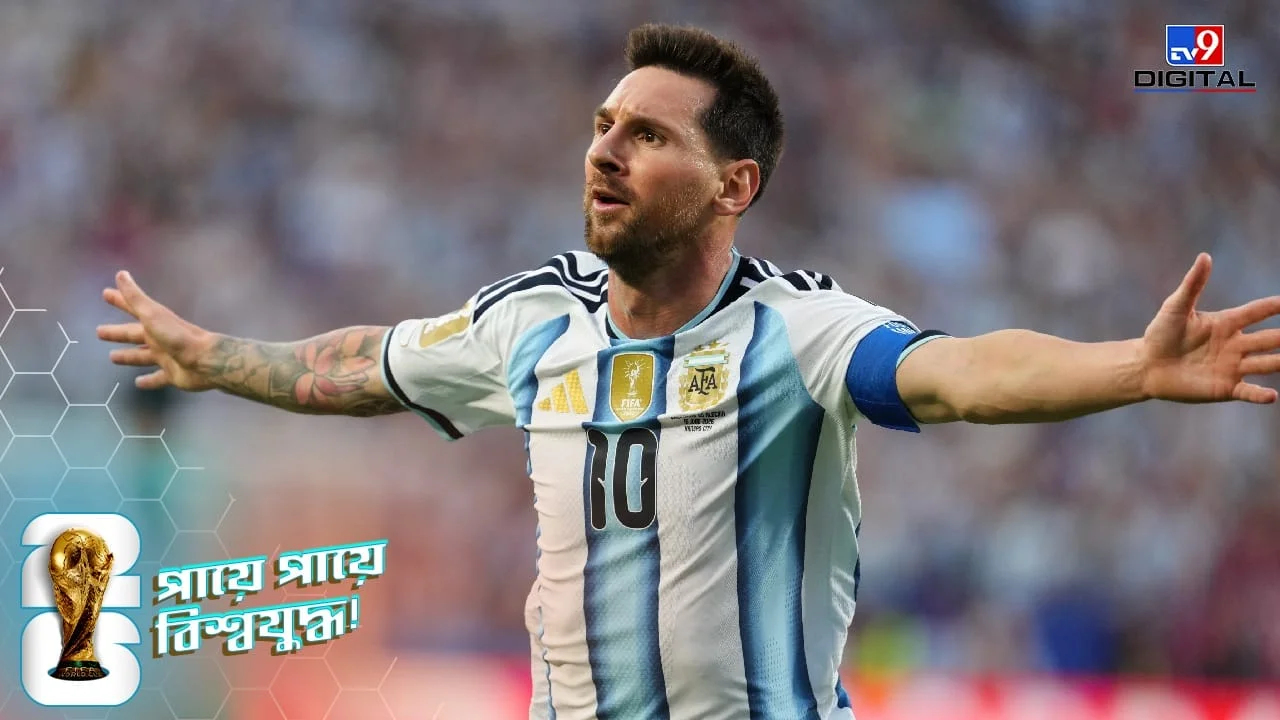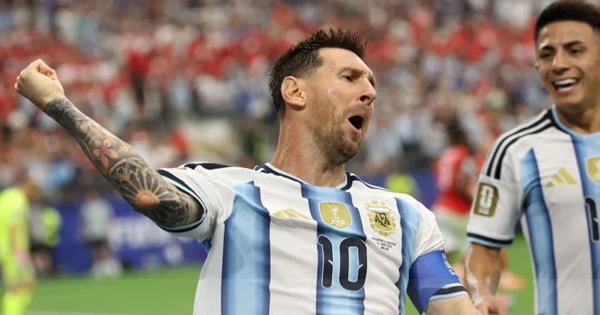
Lionel Messi became the all-time leading scorer in FIFA World Cup history when he converted a 38th-minute finish to give Argentina a 1-0 victory over Austria in their second group-stage match. The goal, scored at AT&T Stadium in Arlington, Texas, moved Messi past Miroslav Klose’s long-standing mark and widened the gap at the top of the tournament’s scoring charts.
Messi’s strike followed a first-half penalty miss but nonetheless proved decisive in a tightly contested match. The goal was celebrated by a stunned crowd and marked another milestone in a World Cup career that now spans six tournaments, beginning in 2006. With this strike, Messi has 17 World Cup goals and has extended his international scoring total to 121 goals in 201 appearances for Argentina.
Argentina entered the tournament as the defending champion, and Messi’s continued excellence is central to the team’s hopes of becoming the first nation since Brazil in 1962 to successfully defend the World Cup title. His influence on the field goes beyond scoring; teammates and coaches point to his leadership, vision, and ability to change games at critical moments as key factors in Argentina’s championship defense.

The goal that set the record came after Argentina controlled portions of the first half and created repeated chances. Messi, operating across the attacking line, collected the ball and drove the play into the penalty area before finishing with composure. Earlier in the match, Messi had taken and missed a penalty, a rare moment of difficulty for a player celebrated for his precision from the spot. He rebounded quickly, however, converting the later opportunity to secure the historic lead.
Messi’s World Cup journey has been both long and storied. He first appeared on football’s biggest stage at age 18 in 2006, gradually developing into a global star through four more tournaments. His performances in the previous World Cup led Argentina to the title, and this latest record adds to an already exceptional legacy that includes numerous domestic, continental, and international honors. At 38, Messi’s ability to perform at the highest level underscores his sustained physical and technical standard.
The match in Arlington also highlighted Argentina’s collective strengths. While Messi drew headlines, the team’s defensive organization and midfield control helped limit Austria’s chances. Argentina managed transitions effectively, and substitutes contributed important minutes that preserved the lead late in the game. The result keeps Argentina on course in Group J, where a win in their next match or favorable results elsewhere would secure advancement to the knockout stage.
Off the field, the tournament build-up had included personal challenges for Messi, who has managed family health concerns in recent weeks while preparing physically for competition. Reports indicate that his father is recovering from a health issue, and Messi’s emotional reaction after earlier goals in the tournament reflected the personal weight he carried into the event. Despite those challenges and a hamstring concern that prompted questions about his fitness, Messi remained a constant presence and motivation for his teammates.
Historical context further underscores the significance of Messi’s 17th goal. The previous record-holder, Miroslav Klose of Germany, retired with 16 World Cup goals across four tournaments. Brazil’s Ronaldo sits further down the list with 15, followed closely by German striker Gerd Müller and France’s Kylian Mbappé. Messi’s new benchmark reshapes the tournament’s scoring history and sets a higher target for future contenders.
Argentina’s path through the group stage will demand consistency and resilience. The team’s next assignment offers an opportunity to secure early qualification for the knockout rounds, something coaches typically prize in managing player workloads and tournament momentum. For Messi, continued scoring and leadership will remain critical as Argentina pursues a rare consecutive title.
As the World Cup progresses, Messi’s record will be a focal point for fans and analysts alike. It stands as both an individual achievement and a reflection of Argentina’s reliance on a player whose career has spanned eras and whose contributions to national football are unparalleled. Whether he adds to the new record in coming matches, the 17th goal cements Lionel Messi’s place in World Cup history and deepens his legacy as one of the sport’s defining figures.