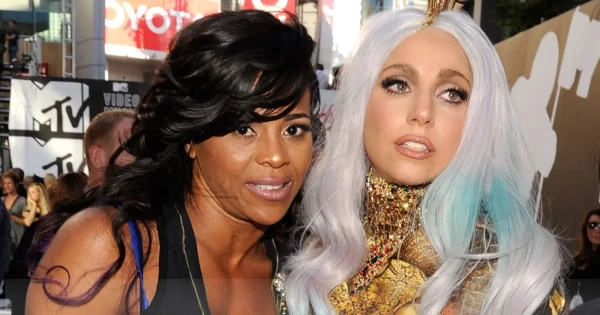
Few names carry as much weight in the world of pop choreography and creative direction as Laurieann Gibson. The Canadian-born artist has shaped the visual identities of some of music's biggest names, but her most famous partnership—with Lady Gaga—remains one of pop culture's most fascinating creative collaborations .
Gibson, born in Toronto on July 14, 1969, began her journey at the prestigious Alvin Ailey American Dance Theater . She burst onto the television scene as a "Fly Girl" dancer on the iconic Fox series "In Living Color" from 1993 to 1994, sharing the stage with future stars like Jennifer Lopez .
Her transition from dancer to choreographer came in 1997 with Missy Elliott's groundbreaking music video "The Rain (Supa Dupa Fly)" . This marked the beginning of a remarkable career that would see her work with Michael Jackson, Beyoncé, Alicia Keys, and Nicki Minaj . Gibson also became a familiar face on MTV's "Making the Band," where she played a crucial role in developing groups like Danity Kane and Day 26 for Diddy .
Katy Perry’s Career, Comeback Plans, and Public Spotlight Keep Her at the Center of Pop Culture

The Gaga Era: Building a Brand from Scratch
Gibson's creative partnership with Lady Gaga began in 2008, at a pivotal moment when Gaga had been dropped by several record labels and was struggling with confidence . In a broken-down dance studio with no record deal and no album, Gibson and Gaga began crafting what would become a revolutionary pop persona .
"With Gaga, when you start out at the beginning, you actually build the IP and build the brand," Gibson later reflected . Her choreography and creative direction shaped some of Gaga's most iconic music videos, including "Paparazzi," "Alejandro," and "Judas" . She also directed the HBO concert special "Lady Gaga Presents the Monster Ball Tour: At Madison Square Garden," earning a Primetime Emmy nomination for Outstanding Directing for a Variety, Music or Comedy Special .
Gibson's vision helped establish Gaga's theatrical, boundary-pushing style that defined the late 2000s pop landscape . The two worked closely on The Fame Monster and subsequent projects, creating a visual language that became instantly recognizable worldwide .
The Creative Split
In November 2011, news broke that Lady Gaga and Gibson had parted ways . While initial reports cited "creative differences," the split was widely reported as contentious .
According to Gibson's memoir "Dance Your Dance: 8 Steps to Unleash Your Passion," she was terminated via email by Gaga's team . Gibson has suggested that credit and recognition for her contributions became problematic in the relationship . "The credit was a problem. The truth of my contribution was an issue," she told Complex .
Reports of friction had surfaced earlier, including disagreements during the filming of the "Judas" video and the scrapped treatment for "The Edge of Glory" . A red carpet incident at the Creative Arts Emmys also reportedly created tension . Following the split, Richard Jackson, who had been Gibson's No. 2, took over choreography duties for Gaga .
Beyond Gaga: A Continued Legacy
Despite the highly publicized split, Gibson's career continued to flourish. She was recruited by Nicki Minaj to creative direct her 2012 Grammys performance, leading to work on the Pinkprint Tour . She directed BIGBANG's world tour in 2012 and served as choreographer for Gugu Mbatha-Raw in the film "Beyond the Lights," training the actress for six months to perfect her pop-star persona .
Gibson has remained a television presence, appearing on "Dance Moms" and serving as a judge on "So You Think You Can Dance" . In 2020, she received the inaugural Willie Dunn Award from the Prism Prize committee, honoring her work as a choreographer and director of music videos . She also released a book, "Dance Your Dance: 8 Steps to Unleash Your Passion and Live Your Dream," in 2021 .
Impact and Influence
Gibson's legacy extends far beyond any single artist. Her work has defined the visual aesthetic of an entire era of pop music . As she has stated, the foundation she helped build with Gaga was crucial to the artist's eventual superstardom . While their creative partnership ended, the impact of their collaboration continues to influence pop music visuals today.
Today, Gibson continues to work with emerging talent and established artists alike, sharing her expertise as a choreographer, creative director, and motivational speaker. Her journey from a young dancer in Toronto to one of the most influential creative forces in pop music remains a testament to the power of vision and persistence in the entertainment industry .