In an extraordinary move, FIFA is reportedly seeking to alter penalty shootout regulations just days before the knockout stage of the 2026 World Cup begins. The governing body has initiated discussions with the International Football Association Board (IFAB), the sport's rule-making authority, to implement a significant change to the current coin-toss procedure . The proposed modification aims to address long-standing fairness concerns regarding the double advantage a team can gain in the current system.
The knockout rounds are scheduled to commence on June 28, and IFAB must reach a decision before the first match on Sunday evening for the change to take effect throughout the tournament . This timeline represents an unusually rapid process for altering the Laws of the Game, which typically undergo extensive review before approval.
Understanding the Current Two-Toss System
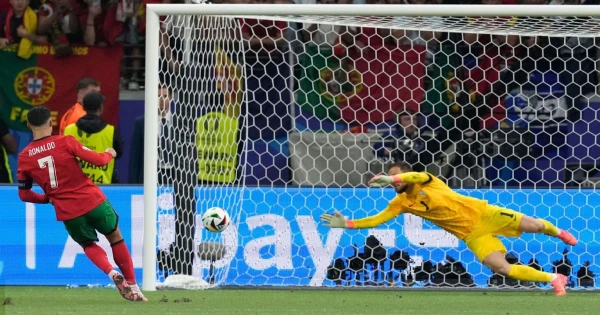
Under existing regulations, a referee conducts two separate coin tosses before a penalty shootout. The first toss determines which goal will be used, while the second decides which team will take the first kick . This procedure has been standard for decades, but critics argue it creates an unfair scenario where one team could win both tosses and secure both strategic advantages.
World Cup 'Has Been Sold Out,' Claims German Legend Philipp Lahm in Scathing Attack on FIFA

The current rules mean a team that loses both tosses must shoot second and also face the opposition's supporters during the decisive kicks. Studies have shown that the psychological pressure of shooting in front of hostile fans can affect players' performance, while going first has historically provided a statistical edge in shootout outcomes.
The Proposed Single-Toss Solution
FIFA's proposal would streamline the process to a single coin toss. Under this plan, the captain who wins the toss would choose one of two options: either decide which end of the stadium to shoot toward or determine whether their team kicks first or second . The opposing captain would then receive the remaining choice, ensuring both advantages are divided between the teams.
The proposed system mirrors the pre-match coin toss, where the winner selects either kickoff or which half to defend, with the loser receiving the other option. This approach eliminates the possibility of a single team receiving both benefits, creating what FIFA considers a more balanced framework .
Recent Events Fueling the Debate
The proposal gained momentum following a high-profile incident in last month's UEFA Champions League final. Arsenal lost both coin tosses against Paris Saint-Germain, forcing the English club to shoot second and take their penalties in front of PSG's supporters . The Gunners ultimately lost the shootout, and the dual toss defeat became a focal point for criticism of the current system.
Former Arsenal chairman David Dein, who previously served on FIFA and UEFA competition committees, has long advocated for changes to the shootout procedure, calling it "unfair" for players to take crucial kicks in front of opposition supporters .
Statistical Perspectives and Counterarguments
While going first has traditionally been considered advantageous, research has produced mixed conclusions. Some statistical analyses suggest that the team kicking first enjoys a significant psychological edge, while others have found no meaningful advantage. A comprehensive study examining thousands of shootouts concluded there was "no evidence" that the first-kicking team had a better chance of winning .
Recent World Cup history also challenges assumptions about these advantages. In the 2022 World Cup final, France won the toss and chose to kick first, yet Argentina emerged victorious in the shootout. The Argentine team celebrated their triumph in front of their own supporters, demonstrating that psychological factors alone do not determine outcomes .
Implementation Timeline and Process
The IFAB typically approves rule changes at its annual meeting, but FIFA is seeking an expedited process for this tournament. A virtual meeting has been scheduled in the coming days, with officials expected to finalize the decision before the knockout stage begins .
If approved, the change would be considered an experimental trial rather than a permanent rule modification . This means the single-toss system would apply specifically to the 2026 World Cup, with the option for other competitions to adopt the system if they petition IFAB.
Looking Ahead
With the Round of 32 matches approaching, teams and officials are monitoring the situation closely. The decision could have implications for how teams prepare for potential shootout scenarios, particularly regarding match-day strategies and player selection for penalty kicks.
The current tournament has already introduced several significant rule changes, and this potential modification adds another layer of intrigue to a World Cup that has captured global attention across the United States, Mexico, and Canada. Whether the proposal receives final approval before the knockout stage remains to be seen, but the discussion reflects FIFA's willingness to address perceived competitive imbalances in football's most dramatic tiebreaker.