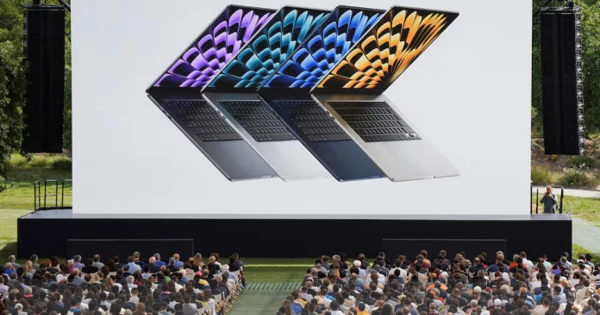
Apple has increased the prices of its iPad and MacBook models, citing escalating costs for memory and storage components that have been driven higher by the artificial intelligence industry's rapid expansion. The price adjustments, announced Thursday, mark the first time the tech giant has passed along these supply chain costs to consumers after months of absorbing the increases internally.
The starting price of Apple's most affordable laptop, the MacBook Air with 512 gigabytes of storage, has risen by $200. The MacBook Pro equipped with 1 terabyte of storage now costs $300 more than its previous price point. Additionally, Apple has raised prices for both versions of its HomePod smart speaker and the Apple TV set-top box, signaling that the component cost pressures are affecting multiple product categories.
Notably, the price increases do not currently apply to Apple's most popular product, the iPhone. However, industry analysts widely expect that smartphone prices will eventually follow suit, potentially ahead of the company's traditional fall product launch cycle.

The decision underscores that even the world's most valuable consumer electronics company, known for its unmatched supply chain leverage and deep relationships with component suppliers, cannot fully escape the ripple effects of a memory price surge that has reshaped the broader technology landscape. Memory manufacturers have shifted their production priorities in recent months to serve the booming demand from AI chipmakers, leaving consumer electronics companies scrambling for limited supply.
Memory chip producers such as Micron have prioritized orders from AI companies including Nvidia, which have been signing long-term contracts to secure the components needed for massive data center construction projects. This strategic pivot has generated record profits for memory makers but has created a supply shortage for manufacturers of personal computers, tablets, and other consumer devices.
Apple acknowledged the severity of the situation in a statement, noting that the company had never witnessed such a rapid and dramatic increase in component prices. The company explained that it had shielded customers from these rising costs for as long as possible but had reached a tipping point where price adjustments became unavoidable.
Market data indicates that prices for dynamic random access memory, a critical component used in virtually all modern electronic devices, surged by as much as 98 percent in the first quarter of 2026. Industry projections suggest another jump of 58 to 63 percent in the current quarter. Some experts have dubbed the phenomenon "Ram-ageddon" due to its unprecedented scale and speed.
The driving force behind this surge is the explosive growth of artificial intelligence infrastructure. Companies racing to build and expand AI data centers have been willing to pay premium prices and secure long-term supply agreements to ensure they have access to the memory and storage components essential for training and running advanced AI models. Micron recently announced that it had secured $22 billion in long-term commitments from customers seeking to guarantee their memory supplies.
Apple's stock declined nearly 5 percent following the price increase announcement, while competitor Dell saw its shares drop more than 8 percent. Analysts note that Apple's deep supplier relationships have provided some cushion against the full impact of the price surge, with some rival companies being forced to implement even steeper price hikes on their products.
The rising component costs are expected to weigh heavily on device sales throughout the year, potentially accelerating what was already a slowdown in the smartphone and PC markets. Research firm IDC projects that the smartphone market could experience its largest annual decline on record this year, falling nearly 14 percent, while the PC market is forecast to drop 11.3 percent.
Industry observers point out that Apple's timing in announcing these price increases, well before the expected fall iPhone launch, appears calculated to manage consumer expectations. By addressing the issue now, the company may be positioning itself to focus marketing messaging on new iPhone features and capabilities rather than price adjustments when its flagship product is refreshed later this year.
The broader implications for consumers extend beyond Apple's product lineup, as other device manufacturers face similar cost pressures and may be compelled to raise their own prices in the coming months. The situation highlights the interconnected nature of the technology supply chain and how shifts in one sector, such as the AI industry's explosive growth, can cascade through the entire ecosystem.
For now, Apple customers considering a new iPad or MacBook will face higher prices than they would have just weeks ago. With analysts predicting that the iPhone will not remain insulated from these cost pressures indefinitely, consumers may want to prepare for a more expensive technology landscape across multiple product categories in the months ahead.