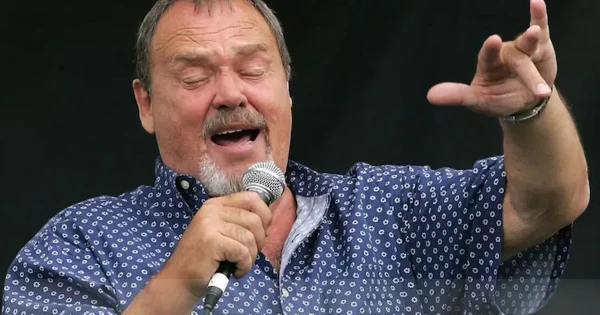
Canadian singer-songwriter David Clayton-Thomas, the powerful voice behind the brass-infused rock band Blood, Sweat & Tears, has died at the age of 84. The Grammy-winning musician passed away peacefully Wednesday evening at a Toronto hospital, according to his publicist. His death marks the end of an era for a generation of listeners who grew up with the bold, horn-driven sound that defined late 1960s and early 1970s American radio.
Clayton-Thomas was best known for writing and performing "Spinning Wheel," the group's signature original composition that climbed to No. 2 on the Billboard Hot 100 in 1969. The song, with its distinctive jazz-infused melody and memorable brass arrangement, became an enduring classic of the era. Two other hits, "When I Die" and the emotional ballad "You've Made Me So Very Happy," also reached the No. 2 spot on the charts, cementing the band's place in rock history.
The band achieved significant critical acclaim during its peak years, winning two Grammy Awards in 1970, including the prestigious Best Album honor. Blood, Sweat & Tears stood apart from many of their contemporaries by blending rock, jazz, and blues influences with a full horn section, creating a sound that was both sophisticated and accessible to mainstream audiences.
Kaley Cuoco Cradles Baby Bump at First Red Carpet Appearance Since Announcing Second Pregnancy

Born David Henry Thomsett on September 13, 1941, in Surrey, England, during the height of World War II, he was the son of a Canadian soldier and an English music student. This unique background would later inform his musical sensibilities, bridging British and North American influences. His family eventually relocated to Canada, where his musical journey would truly begin.
Before finding fame with Blood, Sweat & Tears, Clayton-Thomas was mentored by rockabilly legend Ronnie Hawkins, a formative figure in Canadian rock music. Hawkins, who also brought together the musicians who would later become the Band, helped shape the young singer's early development as a performer. Clayton-Thomas honed his craft fronting his own bands throughout the 1960s, developing the powerful, soulful vocal style that would become his trademark.
In 1966, he wrote and recorded "Brainwashed," an anti-war anthem that became a major hit in Canada. The song demonstrated his willingness to tackle socially conscious themes through his music, a quality that would continue to define his work. His growing reputation as a compelling vocalist and thoughtful songwriter eventually led him to join Blood, Sweat & Tears in 1968, replacing original lead singer Al Kooper.
Despite the band's commercial momentum fading during the 1970s as musical tastes shifted, Clayton-Thomas never stopped working. He maintained an active career over the following decades, performing both as a solo artist and with various later iterations of the band. He released nearly a dozen solo albums over the course of his career, demonstrating a versatility that allowed him to explore different musical directions.
Clayton-Thomas also made significant contributions to Canadian media, hosting his own series on the CBC television network. This role allowed him to connect with audiences in a different capacity, showcasing his personality and musical knowledge beyond his recording and performance work. His impact on Canadian music was formally recognized when he was inducted into the Canadian Music Hall of Fame. He also received a special Juno Award honoring his lasting contributions to his home country's musical landscape.
In 2010, he published a memoir titled "Blood, Sweat and Tears," offering fans an intimate look at his life and career. The book chronicled his journey from his early days in Canada to international fame, providing insight into the music industry during one of its most transformative periods. His willingness to share his personal story endeared him to fans who had followed his career for decades.
Clayton-Thomas is survived by his daughters, Ashleigh Clayton-Thomas and Christine Graham. His representative has announced that a memorial concert will be held at a later date, allowing fans, friends, and fellow musicians to celebrate his remarkable life and legacy. The music world has lost a distinctive voice, one that helped define a generation's soundtrack and continues to inspire musicians today.