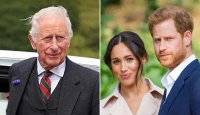
The Duke of Sussex has opened up about a deeply hurtful moment from his school days, revealing that his older brother, the Prince of Wales, asked him to keep his distance when he arrived at Eton College. In his candid memoir, Prince Harry described how William's request to "pretend I didn't know him" compounded the grief and isolation he was already experiencing following the death of their mother, Princess Diana.
Prince Harry arrived at the prestigious Berkshire boarding school in 1998, just one year after the tragic loss of Princess Diana. At just 13 years old, he was already navigating the immense weight of public grief while struggling to adapt to a new and intimidating academic environment. Hoping his elder brother would provide a familiar anchor in unfamiliar surroundings, Harry instead faced what he described as a heartbreaking rejection.
In his 2023 memoir, the Duke explained that Eton had become William's sanctuary, a place where the older brother was focused on building his own identity. Harry wrote that William was "forging his own life, and he wasn't willing to give that up." While he acknowledged understanding the reasoning behind the request, the emotional impact was profound, leaving him to navigate the halls of Eton largely alone.

The Duke characterized his arrival at Eton as "a profound shock," detailing difficulties both in the classroom and socially. He admitted feeling completely out of his depth, writing that he was "in way, way over my head." The adjustment to boarding school life proved to be a significant challenge, coming at a time when he was still processing the loss of his mother and the intense scrutiny that came with his royal status.
Sports Provided a Lifeline During Difficult Years
Despite the emotional challenges, Prince Harry found solace in athletics, which he credited with helping him persevere. Sports became his greatest source of comfort and stability during those formative years. Having grown up playing rugby, football, cricket, and polo, Harry threw himself into physical activity as a way to cope with the pressures of school life.
In a later interview, the Duke reflected on how athletics held him together during that tumultuous period. The discipline and camaraderie of team sports provided an essential outlet for his emotions and offered a sense of belonging that he struggled to find elsewhere. His passion for sports would continue to shape his adult life, including his founding of the Invictus Games for wounded service members.
New Royal Generation Follows Familiar Path
Harry's memories have resurfaced as the royal family prepares for another significant milestone. On June 16, Kensington Palace officially confirmed that Prince George, the eldest son of the Prince and Princess of Wales, will begin attending Eton College in September. The 11-year-old future king will follow in the footsteps of his father, Prince William, who also attended the institution.
The decision to send George to Eton surprised some royal watchers, who had speculated that the Wales family might choose a more modern educational approach for their children. The couple had reportedly toured other institutions, including Kate's alma mater, Marlborough College, as part of their careful consideration process. Ultimately, they decided that Eton's rigorous academic environment and storied tradition would best prepare George for his future responsibilities.
Royal biographer Sally Bedell Smith noted that Eton served as "a much-needed haven for William" during his own school years. The school provided the Prince of Wales with a sense of normalcy and independence during an incredibly challenging period following his parents' divorce and his mother's death. The institution's structure and academic rigor have been credited with helping shape William's character and preparing him for his eventual role as king.
Former royal press secretary Ailsa Anderson revealed that both William and Catherine conducted extensive research before making their final decision. The couple visited multiple schools and carefully evaluated each option before concluding that Eton was the right choice for their eldest son. A source close to the family added that George had "always wanted to follow in his dad's footsteps," expressing enthusiasm about attending the same school where his father had studied.
Historical Significance and Modern Context
Eton College, founded in 1440 by King Henry VI, has educated numerous British monarchs and aristocrats throughout its history. The institution's tradition of producing future leaders makes it a natural choice for royal families, though it has also faced criticism in recent years regarding its exclusivity and lack of diversity. The decision to send Prince George there ensures the continuation of this tradition for another generation.
The contrast between Prince Harry's experience and the careful preparation now being made for Prince George underscores the evolution of royal parenting. The Prince and Princess of Wales have emphasized their commitment to providing their children with a balanced and grounded upbringing, seeking to shield them from some of the pressures that Harry and William faced in their youth. George's transition to Eton will likely be managed with greater attention to his emotional well-being and social adjustment.
The royal family has faced renewed scrutiny of its educational choices as it adapts to modern expectations while maintaining centuries-old traditions. The Wales family's decision reflects a careful balance between honoring tradition and ensuring their children receive the best possible foundation for their future lives. As George prepares to follow his father's path, the lessons learned from previous generations will undoubtedly inform how the family navigates this next chapter.
The continued public interest in Prince Harry's reflections on his school years highlights the enduring fascination with royal family dynamics. His willingness to share vulnerable moments from his childhood has provided insight into the human challenges faced by even the most privileged members of the monarchy. As the next generation of royals prepares to take their place in the public eye, these stories serve as reminders of the complex pressures that accompany their unique positions.