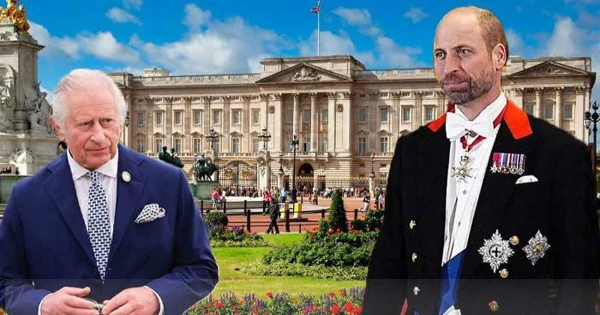
King Charles has confirmed he will not take up residence at Buckingham Palace following the completion of its decade-long refurbishment next year, a decision that breaks with nearly two centuries of royal tradition. This move has paved the way for his son, Prince William, to explore an equally unprecedented vision for the iconic London landmark.
Instead of serving as a private home for the monarch, the future king is reportedly considering a plan to dramatically increase public access to the palace. Sources indicate that William envisions the palace continuing to serve as the central stage for state banquets, diplomatic receptions, and investitures while simultaneously opening its doors to visitors from around the world in a new way.
The Prince of Wales believes the historic building can serve a dual purpose. According to insider accounts, his vision includes hosting dignitaries alongside paying guests who could book overnight stays. “Imagine saying you slept at Buckingham Palace,” one source said, noting that people would travel globally for such an experience. This approach would generate significant revenue to preserve the palace for future generations.

Those close to William suggest his motivation is rooted not in sentimentality for the building but in a deep-seated commitment to the monarchy's future. “He’s sentimental about the monarchy,” another source explained. “If turning part of Buckingham Palace into a museum and luxury hotel helps secure the institution’s future, he’ll do it.”
The shift in approach comes as King Charles and Queen Camilla have decided to remain at Clarence House, their smaller London residence, rather than moving into the 775-room palace. The Prince and Princess of Wales also reportedly view their home at Windsor, Forest Lodge, as their permanent family residence. This leaves Buckingham Palace uniquely positioned to evolve from a private royal dwelling into a more public-facing asset.
While the plans are still in the early stages, they represent a pragmatic vision for the palace. Officials have emphasized that the building will continue to be a working hub of the monarchy. The proposal reflects a broader effort to make the monarchy's greatest assets more accessible and financially sustainable in the modern era.