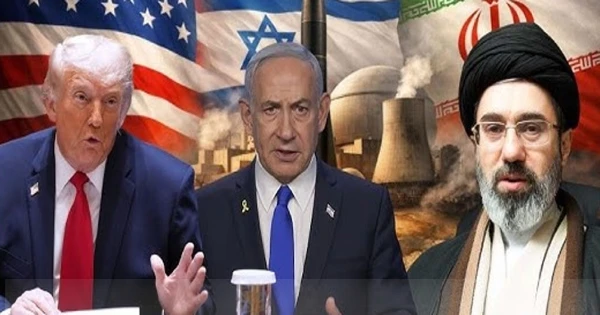
The United States and Iran have reached a limited memorandum of understanding aimed at pausing recent hostilities and reopening the strategically vital Strait of Hormuz. Signed in mid-June 2026, the agreement marks an immediate step to ease tensions that had disrupted global oil flows and raised fears of broader conflict. Yet experts and observers view it as a short-term tactical pause rather than a comprehensive resolution to longstanding differences.
The Islamabad Memorandum establishes a 60-day period for further negotiations on critical issues, including Iran's nuclear program, sanctions relief, and regional security concerns. Both sides have committed to halting military operations, with provisions for diluting highly enriched uranium stockpiles and allowing freer oil exports. This framework comes after months of escalated confrontations involving direct strikes and proxy conflicts that threatened international shipping lanes.
For the United States, the deal prioritizes restoring stability to energy markets and buying time to replenish military resources. Global oil prices had spiked amid disruptions in the Strait of Hormuz, a narrow waterway carrying nearly one-fifth of the world's oil supply. Reopening the strait without tolls or interference supports economic stability for the U.S. and its allies.

Iran, facing internal economic pressures and the effects of prolonged sanctions, gains breathing room through sanctions waivers and the ability to resume oil sales. The agreement provides immediate financial relief estimated in the billions, helping stabilize its economy after years of isolation. However, the core disputes over its nuclear ambitions and regional influence remain largely unaddressed in the initial framework.
This latest understanding echoes patterns seen in past diplomacy. The 2015 Joint Comprehensive Plan of Action, known as the JCPOA, similarly sought to curb Iran's nuclear activities through limits on uranium enrichment, centrifuge numbers, and enhanced international inspections. That deal offered sanctions relief in exchange for verifiable constraints, yet it faced criticism for its temporary nature and failure to tackle ballistic missiles or proxy support.
Following the U.S. withdrawal from the JCPOA in 2018, the Trump administration pursued a "maximum pressure" campaign of intensified sanctions. The goal was to compel broader behavioral changes beyond nuclear issues. While this approach strained Iran's economy, it also led to increased enrichment levels and heightened regional tensions in subsequent years.
Iran's nuclear program has long raised international concerns. The country maintains that its activities serve peaceful energy and medical purposes. However, its pursuit of domestic uranium enrichment at high levels, development of advanced centrifuges, and history of restricted access for inspectors have fueled suspicions about potential weapons development. Independent assessments indicate Iran has accumulated significant quantities of near-weapons-grade material in recent periods.
The new memorandum requires steps to dilute enriched stockpiles, yet implementation details will unfold during the 60-day talks. History shows that verification remains challenging. Past agreements have included robust monitoring by the International Atomic Energy Agency, but compliance disputes have repeatedly emerged. Iran has at times limited inspector access and undertaken undeclared activities, according to multiple reports.
Beyond the nuclear file, Iran's support for regional militias and ballistic missile development continues to complicate relations. These capabilities have enabled influence across the Middle East, from Lebanon to Yemen and beyond. The memorandum touches on de-escalation in areas like Lebanon but does not resolve underlying proxy dynamics.
U.S. officials, including those close to the Trump administration, emphasize that the current deal represents pragmatism rather than naivety. It allows time for military readiness and diplomatic maneuvering while avoiding immediate escalation. President Trump has long described his approach as one of strength through pressure followed by realistic negotiation.
For ordinary Iranians, the agreement brings hope of economic relief. Sanctions have contributed to inflation, medicine shortages, and hardship for the middle class. Yet the regime's priorities appear focused on regime survival and strategic goals over broad domestic prosperity. Leaders have repeatedly chosen to endure pressure rather than abandon core programs.
The 60-day window now underway will test whether deeper compromises are possible. Key sticking points include the extent of uranium enrichment Iran may retain, the fate of advanced centrifuges, and mechanisms for verifiable limits. Broader talks may also address sanctions snap-back provisions and regional confidence-building measures.
Skeptics point to Iran's track record of using diplomatic pauses to advance its capabilities. Following the 2015 deal, the country expanded its missile program and strengthened ties with allied groups. Critics argue that without ironclad enforcement, temporary agreements merely delay confrontation.
Supporters counter that diplomacy, even imperfect, offers a better path than perpetual conflict. Re-engaging economically could create incentives for restraint, particularly if paired with credible monitoring. The involvement of mediators like Pakistan and others underscores the multilateral interest in stability.
The Strait of Hormuz remains the immediate success story. Its reopening has already begun easing global energy concerns, with oil flows returning toward previous levels. This benefits consumers worldwide by helping moderate fuel prices and supporting economic growth.
Looking ahead, the durability of this pause will depend on mutual compliance and external factors. Regional actors, including Israel, maintain deep concerns about Iran's nuclear trajectory and have conducted operations to disrupt it in the past. Any perceived violations could quickly unravel progress.
The United States continues to stress that Iran must never acquire nuclear weapons. This position aligns with longstanding bipartisan policy. At the same time, practical steps focus on containment, verification, and deterrence alongside diplomatic efforts.
Iran's leadership faces its own calculations. Domestic challenges, including public discontent and economic strain, push toward relief, yet ideological commitments and strategic doctrine favor resilience under pressure. The coming weeks will reveal whether negotiators can bridge these gaps.
International observers will watch closely. European nations, Gulf states, and others have stakes in preventing proliferation and ensuring safe navigation. While the U.S. leads this bilateral effort, broader coordination could strengthen outcomes.
In the end, the memorandum reflects hard realities rather than optimism. It provides a tactical breather amid exhaustion on both sides but does not alter fundamental objectives. Iran's program continues to evolve, and U.S. resolve to prevent a nuclear-armed Iran remains firm.
Success will hinge on rigorous verification, sustained pressure where needed, and realistic expectations. As the 60-day clock ticks, the world awaits whether this fragile framework can evolve into something more enduring or simply serve as another chapter in a decades-long standoff. The stakes involve not only regional peace but global security and energy stability.