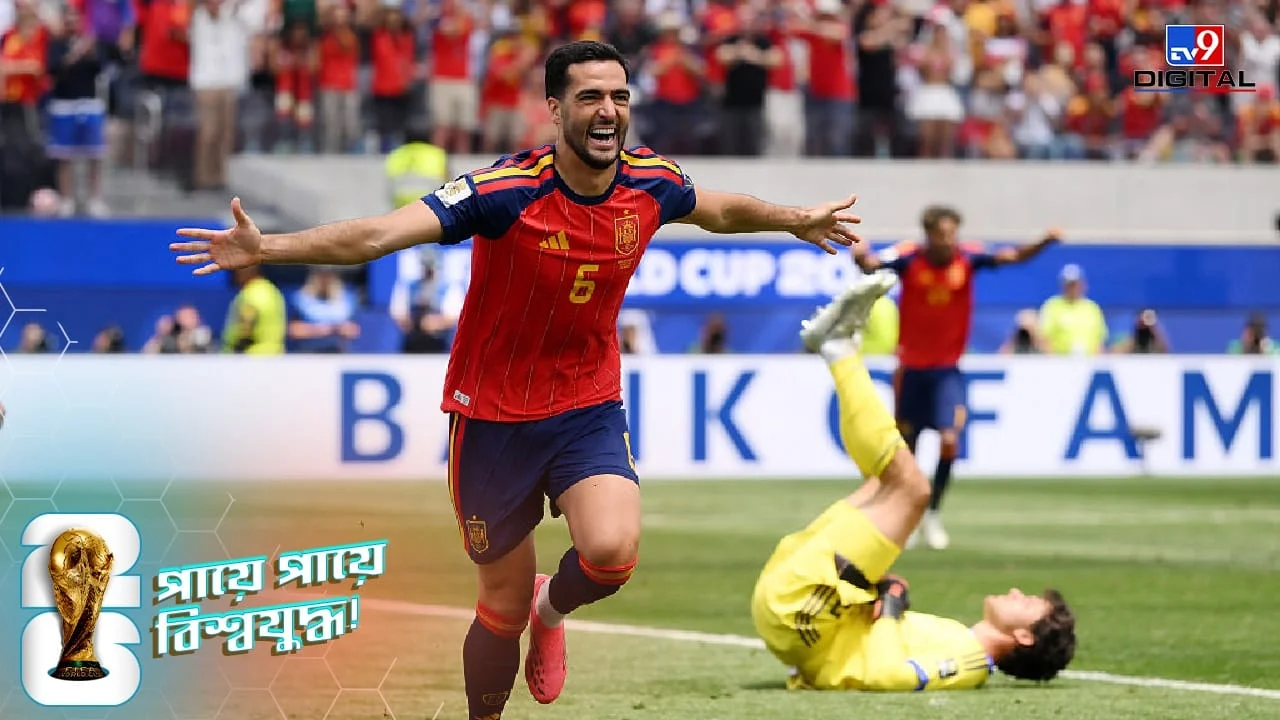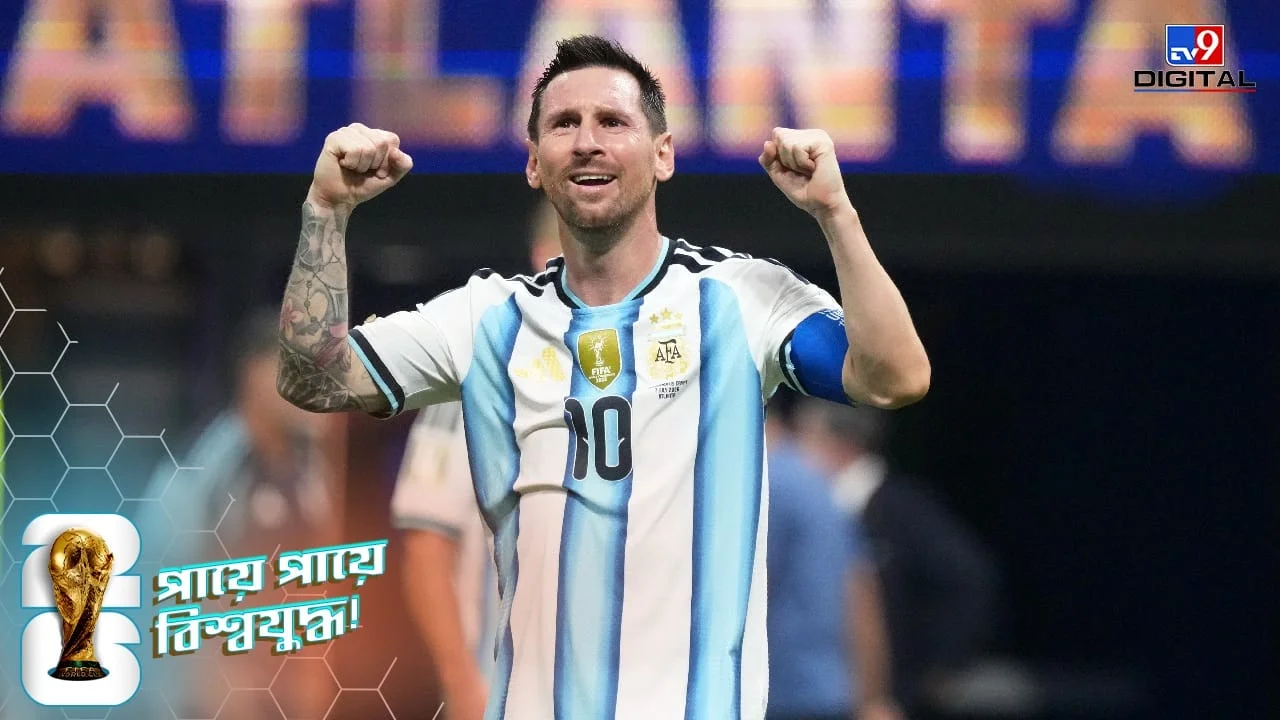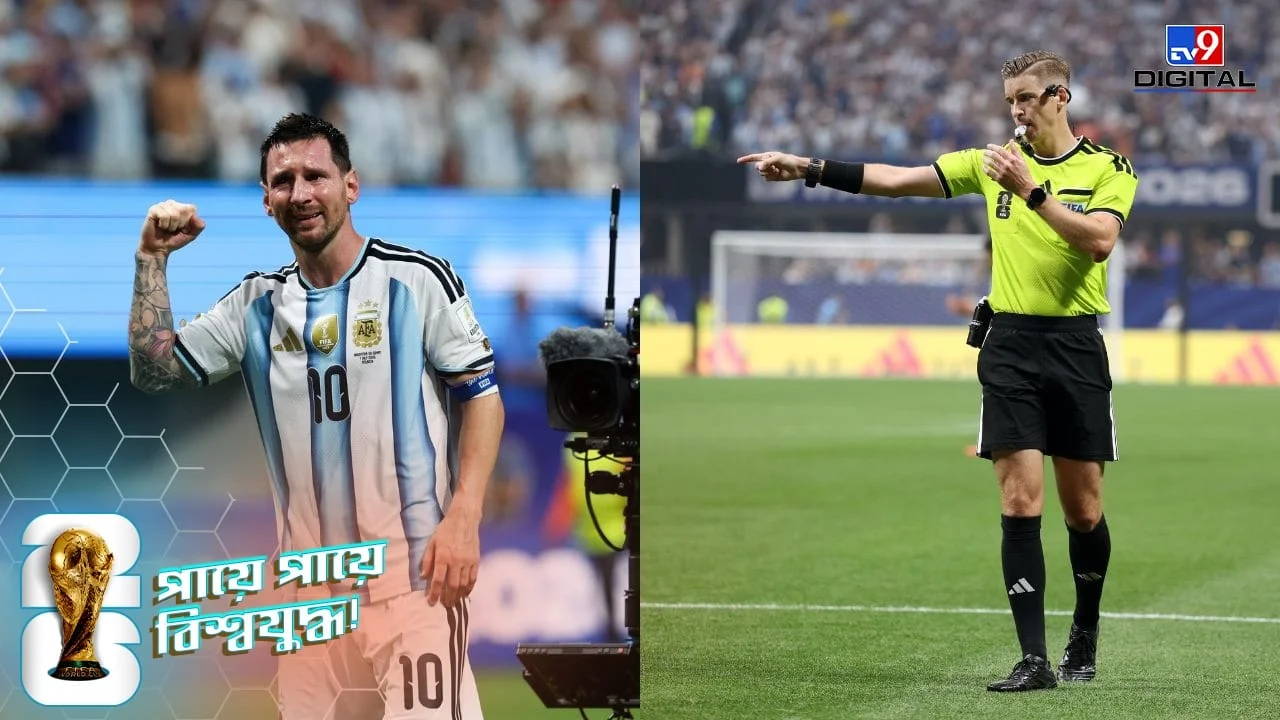
In a dramatic and contentious FIFA World Cup 2026 match held recently in the United States, Egypt was eliminated after a stunning late comeback by Argentina, sparking serious allegations of biased refereeing. Egypt had led 2-0 until the 79th minute but conceded three goals in the final 13 minutes, ending the match 3-2 in favor of Argentina. The match referee, Francois Letexier, faced criticism for not consulting VAR during a crucial moment when Egypt's star player Mohamed Salah was allegedly fouled by an Argentine defender before the third goal.
Egypt's coach, Hossain Hassan, and goal scorer Mostafa Ziko openly questioned the officiating decisions. Hassan stated, "There is no point in playing like this. Argentina is being favored; when they commit fouls, no cards are shown, but when we retaliate, the game is stopped immediately.
It feels like the referee was trying to make Argentina champions to ensure Messi wins the World Cup." Earlier in the match, a legitimate goal by Egypt was disallowed after a foul on Lisandro Martinez, further adding to Egypt's frustration. Despite leading 2-0, Argentina managed to equalize within six minutes and scored the winning goal during stoppage time, leading to Egypt's exit from the tournament. Ziko expressed his disappointment post-match: "The referee never wanted us to win.

If Argentina had won fairly, we would have accepted it, but the referee helped them. We congratulate Argentina on their second consecutive World Cup win, but we are deeply disappointed with this decision." This incident has reignited debates about refereeing fairness, especially concerning Argentina's matches. Fans and analysts question why VAR was not used in the decisive moments, drawing parallels to historic controversies like Maradona's infamous handball goal in 1986 when such technology was unavailable.
Argentina's comeback, though remarkable, is now overshadowed by the controversy surrounding officiating, which casts a shadow over the integrity of the tournament. Moving forward, Argentina will face Switzerland in the quarterfinals, raising questions about whether refereeing controversies will persist or if fair play will be ensured in the critical stages of the World Cup.