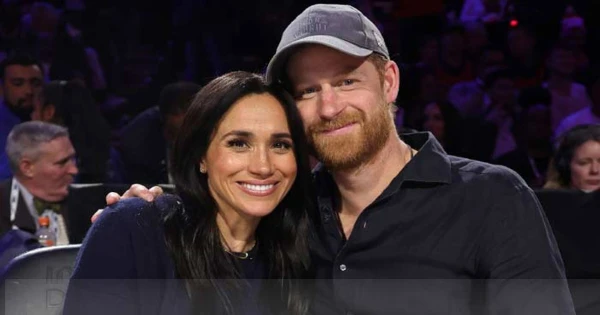
Meghan Markle has reportedly expressed pride in her husband, Prince Harry, as he takes a firm and personal stand regarding the safety of their two young children, Archie and Lilibet. The decision comes amid ongoing discussions about the family’s security arrangements during potential visits to the United Kingdom.
The Duke of Sussex was recently extended an offer from his father, King Charles III, to stay at a royal residence during a planned trip to Britain. While the gesture was seen as an attempt at familial goodwill, sources indicate that Harry found the arrangement insufficient due to unresolved concerns over private security.
At the center of the Duke’s hesitation is the issue of taxpayer-funded police protection. Harry has previously sought the reinstatement of automatic security detail, which was removed following his decision to step back from senior royal duties. The current offer from the palace reportedly did not guarantee the round-the-clock coverage that Harry deems necessary for his family’s safety.

According to reports, the Duke ultimately decided against bringing Meghan, Archie, and Lilibet to London. His choice was driven by a clear calculation: the potential risks of traveling without assured protective measures outweighed the benefits of the visit. For Harry, the matter is not about personal comfort but about ensuring that his wife and children are not placed in vulnerable positions.
Those close to the couple suggest that Meghan fully supports her husband’s stance. She is said to be relieved that Harry is prioritizing the well-being of their household over public perception. The prospect of spending an entire trip in a state of heightened vigilance, constantly monitoring the children’s surroundings, did not align with what either of them envisioned for a family visit.
Insiders note that the Duchess views Harry’s determination as a reflection of his commitment to his role as a father. She is reportedly proud that he is willing to face criticism in order to protect their family’s physical and emotional security. This position underscores a recurring theme in the couple’s post-royal life, where personal boundaries and safety have often taken precedence over tradition.
While some royal observers have suggested that Harry’s refusal may have disappointed the King, the Duke appears unfazed by such reactions. For Harry, the disapproval of others is a secondary concern when measured against the responsibility he feels toward his children. He has made it clear that his family comes first, regardless of how his choices may be interpreted by the public or the press.
The broader context of this situation involves the ongoing legal and logistical challenges surrounding the Sussexes’ security arrangements. Harry has previously taken legal action against the British government over changes to his protective status, arguing that the decision was procedurally unfair. His latest move is consistent with that legal and personal battle, reinforcing his stance that safety is not negotiable.
Observers note that this episode is likely to fuel further debate about the roles and privileges of non-working royals. It also highlights the delicate balance that the royal family must strike between offering support and respecting the autonomy of members who have chosen a different path. However, for Harry and Meghan, the immediate focus remains on their children’s welfare.
Ultimately, the decision not to bring Archie and Lilibet to the UK reflects a broader shift in how the Sussexes navigate their public and private lives. They have consistently emphasized the importance of creating a secure environment, even when that means making difficult choices that invite scrutiny. As they continue to build their lives in California, family safety appears to remain their guiding principle.