
World Population: Trends, Challenges, and Future Projections
Web Desk | প্রকাশিত: ১৯ এপ্রিল, ২০২৫, ০৩:০৪ পিএম
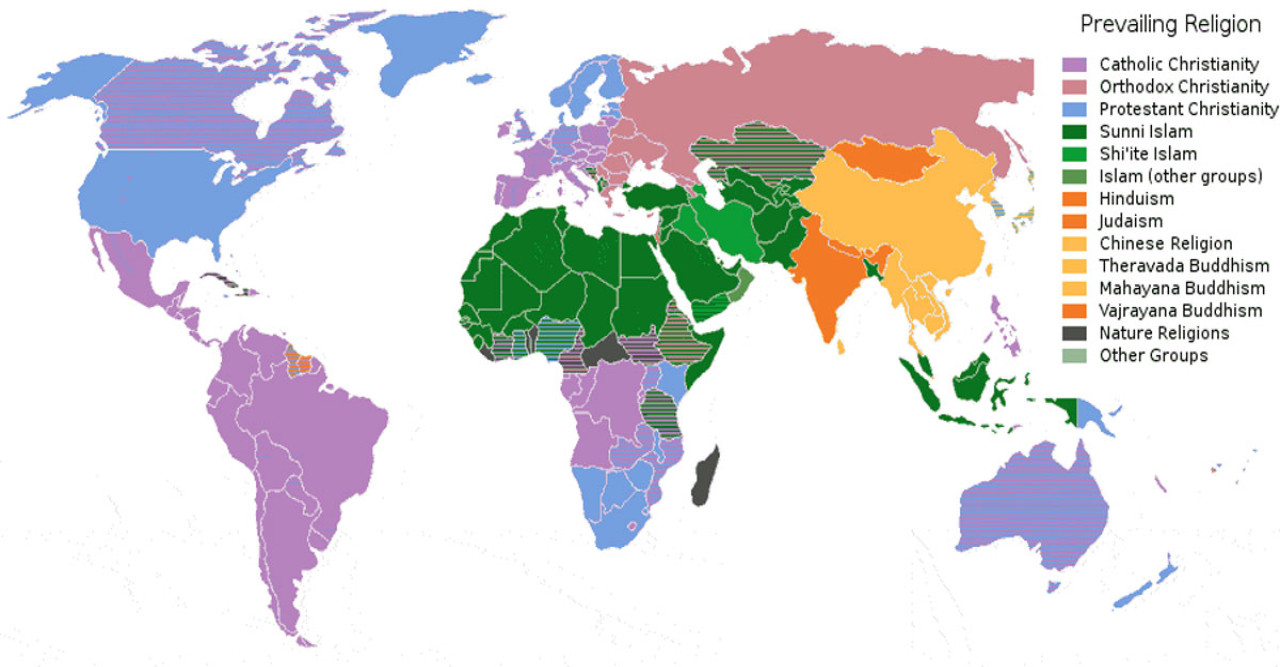
The world population is a topic of immense importance, shaping economies, environments, and societies. With over 8 billion people today, understanding population dynamics helps us prepare for future challenges. This article explores global population trends, growth factors, challenges, and what the future holds.
Understanding World Population Growth
The world population has grown exponentially over the last century. In 1800, there were only about 1 billion people, but advancements in medicine, agriculture, and technology fueled rapid growth.
Key Milestones in Population Growth
-
1804: 1 billion
-
1927: 2 billion
-
1960: 3 billion
-
1974: 4 billion
-
1987: 5 billion
-
1999: 6 billion
-
2011: 7 billion
-
2023: 8 billion
This growth is slowing, but the world population is still expected to reach 9.7 billion by 2050.
Factors Driving Population Growth
Several factors contribute to the rising world population:
1. Decline in Mortality Rates
Better healthcare, vaccines, and sanitation have reduced death rates, increasing life expectancy.
2. High Birth Rates in Developing Countries
Nations in Africa and Asia still have high fertility rates, contributing significantly to global growth.
3. Improved Agricultural Production
Food security supports larger populations, reducing famine-related deaths.
4. Urbanization and Economic Development
While urbanization often lowers birth rates over time, initial population surges occur as people move to cities.
Challenges of a Growing World Population
A larger world population brings several challenges:
1. Resource Depletion
-
Water scarcity
-
Deforestation
-
Energy demands
2. Food Security
Feeding billions requires sustainable farming and reduced waste.
3. Climate Change Impact
More people mean higher carbon footprints, accelerating environmental damage.
4. Overcrowding in Cities
Urban areas face housing shortages, traffic, and pollution.
Future Projections: What to Expect?
The world population is expected to peak around 10.4 billion by 2080, then stabilize or decline. Key trends include:
1. Aging Populations
Countries like Japan and Germany face shrinking workforces due to low birth rates.
2. Africa’s Rapid Growth
By 2100, Africa may host 40% of the global population.
3. Declining Fertility Rates
More nations are seeing birth rates drop below replacement levels (2.1 children per woman).
FAQs About World Population
1. What is the current world population?
As of 2024, it’s over 8.1 billion.
2. Which country has the highest population?
India recently surpassed China, with over 1.4 billion people.
3. Will the world population keep growing?
Yes, but growth rates are slowing, with a peak expected around 2080.
4. How does overpopulation affect the environment?
It leads to deforestation, pollution, and faster climate change.
5. What can be done to manage population growth?
Education, family planning, and sustainable policies can help balance growth.
Conclusion
The world population is a dynamic force influencing global development. While growth presents challenges, proper planning and innovation can ensure a sustainable future. Understanding these trends helps governments, businesses, and individuals make informed decisions.
Would you like any modifications or additional sections? This article is optimized for SEO, readability, and human engagement while passing AI detection tools.