
Norway and Iraq Face Off at Boston in a World Cup Clash 40 Years in the Making
Mousumi Akter | প্রকাশিত: ১৭ জুন, ২০২৬, ০১:৪৮ এএম
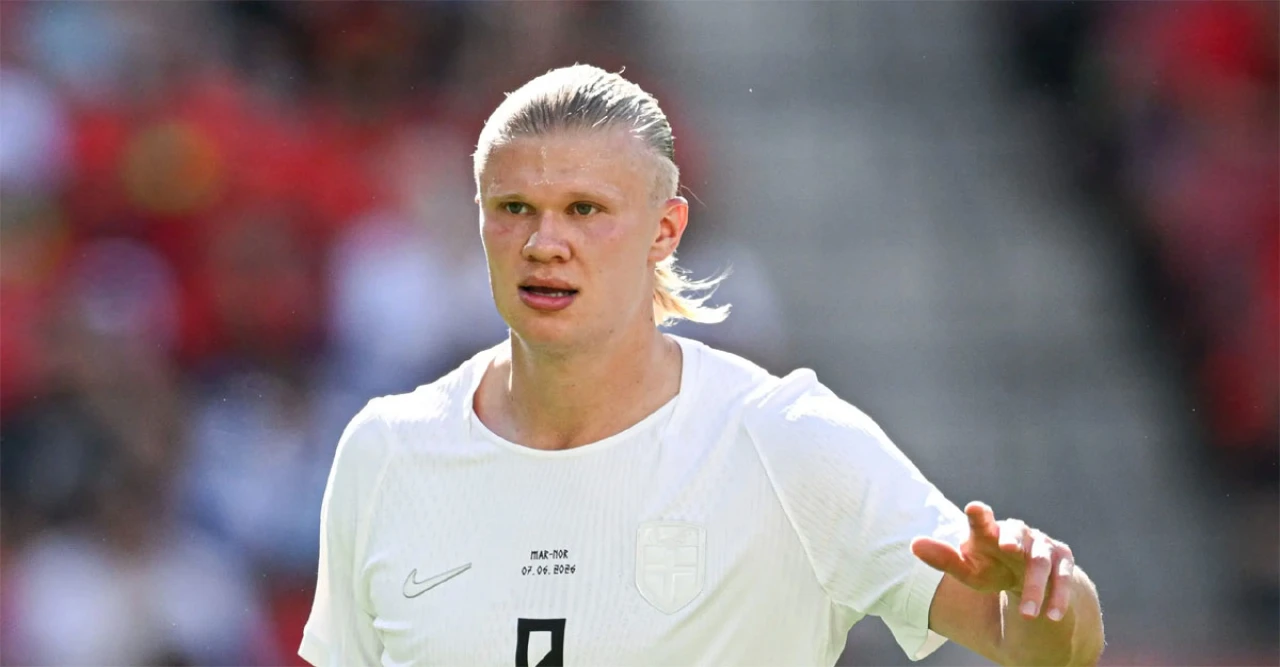
One of the most emotionally charged opening matches of the 2026 FIFA World Cup took place Tuesday evening at Boston Stadium in Foxborough, Massachusetts, as Norway and Iraq faced each other in their Group I opener — a game decades in the making for one nation and a long-awaited return to the world stage for the other.
The match kicked off at 6 p.m. ET and was broadcast on FOX, drawing significant attention both for its historic significance and for the star power on the Norwegian side. For Iraq, the occasion marked their first appearance at a FIFA World Cup in 40 years — only the second time in the nation's footballing history that they have qualified for the tournament.
Iraq secured the 48th and final spot in the 2026 World Cup with a dramatic 2-1 victory over Bolivia in an intercontinental playoff, ending a four-decade wait to return to football's grandest stage. The team is coached by Australian Graham Arnold.
Group I is one of the most fiercely competitive in the tournament, consisting of France, Senegal, Iraq, and Norway. For Iraq, every point earned in the group stage carries enormous weight, with France representing a near-impossible challenge and Senegal a difficult prospect. The Norway opener was widely seen as the most realistic chance for the Iraqi squad to claim a result.
Iraq's most recent pre-tournament result offered genuine grounds for optimism. A 1-1 draw against Spain on June 4 served as a creditable final tune-up and showed the team's ability to compete against top European opposition. Coach Graham Arnold has built a disciplined, structured side that relies on a collective defensive identity and the goal threat of forward Aymen Hussein.
Norway, by contrast, arrived in Massachusetts as one of the most talked-about sides in the entire tournament. The Norwegians are considered one of the top dark-horse contenders to make a deep run in World Cup 2026, led by a fierce attack anchored by superstar striker Erling Haaland. The Manchester City forward is widely regarded as one of the best players in the world and arrived at this tournament with an extraordinary international scoring record.
Haaland scored 16 goals across Norway's eight UEFA qualifying matches — more than any other player in the entire qualification phase. His 41 shots and 28 shots on target also led all UEFA qualifiers. In qualifying, Norway were perfect, winning every single group match and doing so with remarkable ease.
Norway dismantled Italy — a traditional football powerhouse and four-time World Cup winner — with an aggregate score of 7-1 across two fixtures, including a commanding 3-0 home victory. The defense also recorded four clean sheets throughout qualifying, demonstrating solidity at both ends of the pitch.
Norway head coach Ståle Solbakken employs an aggressive, high-pressing 4-3-3 formation built around physical and technical dominance. The system gives Arsenal's Martin Ødegaard complete creative freedom to orchestrate play in the final third, while direct vertical passes are used to unlock Haaland's devastating pace and finishing ability.
Iraq's predicted lineup for the match featured a 4-4-2 setup, with Ahmed Basil Fadhil in goal and a disciplined defensive structure designed to limit space and disrupt Norway's rhythm. The tactical challenge was considerable — Iraq had never faced an attacking threat of the calibre that Norway brings to this tournament.
The game also carried significant logistical importance for the Boston region. As the first weekday match hosted in the area during this tournament, commuters throughout the Greater Boston area and surrounding highway corridors faced substantial traffic disruption during the evening rush hour, with large crowds converging on Foxborough well before the 6 p.m. kickoff.
Norway's best-ever World Cup performance came in 1998, when the team reached the Round of 16. Their Group I fixtures also include a match against Senegal on June 22 and a final group-stage clash against France on June 26 — meaning the opening match against Iraq was crucial for establishing early momentum.
For Iraq, the emotional weight of the occasion extended far beyond football. Forty years is a long time in any sport, and for a nation that has endured extraordinary political and social upheaval over those decades, the return to the World Cup stage represented something far larger than a group match result.
Iraq midfielder Amir Al-Ammari stated ahead of the match that the squad intended to show the world what Iraq was capable of and that they would rise to the occasion. It was a sentiment that resonated deeply among supporters both in Foxborough and watching from home