
Bruce Springsteen on His Oscar Win: ‘I Guess We Lucked Out’
Mousumi Akter | প্রকাশিত: ২২ জুন, ২০২৬, ০৬:১৭ এএম
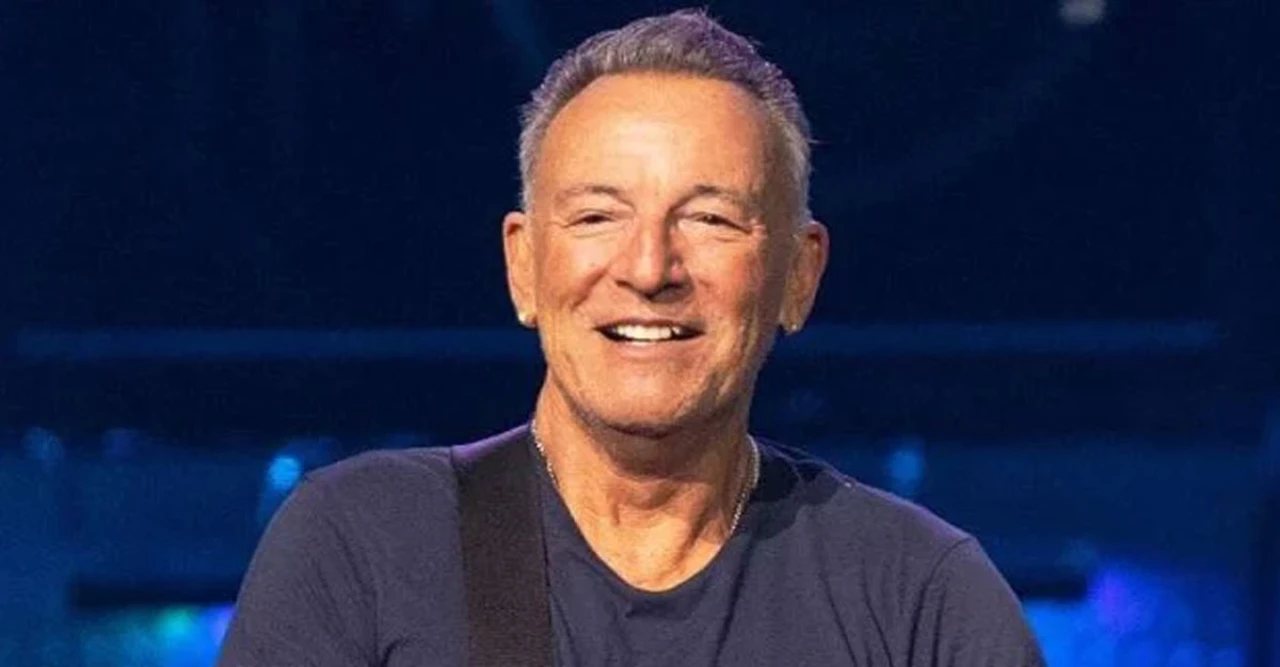
At 76, Bruce Springsteen has accumulated nearly every accolade the music industry can offer, but one of his most prestigious honors came with a dose of humility. The rock icon recently opened up about his Academy Award win for the haunting ballad “Streets of Philadelphia,” attributing the success more to chance than to design.
Speaking at a Tribeca Festival event in conversation with U2 frontman Bono, Springsteen reflected on the 1993 track, which was written for the Tom Hanks and Denzel Washington drama “Philadelphia.” While the song has become a defining piece of his catalog, Springsteen admitted that its creation was born from a series of unexpected events and creative detours.
The story began when director Jonathan Demme reached out to Springsteen with a specific request. Demme, who passed away in 2017, was looking for a rock track to accompany his film about a gay lawyer grappling with AIDS-related discrimination. Springsteen recalled that Demme sent him a short clip from the movie, hoping to spark inspiration for a traditional rock anthem.
Initially, Springsteen attempted to comply with Demme’s request. He spent time trying to write a high-energy rock song, but the creative process stalled. Frustrated, he shifted his approach entirely and turned to a small synthesizer and drum machine he had at home. That change in direction proved pivotal.
Within a few days, Springsteen had composed the somber, minimalist ballad that would eventually become “Streets of Philadelphia.” Despite its eventual acclaim, the artist was uncertain about Demme’s reaction to the final product. He sent the initial version to the director, who quickly integrated it into the film’s score. When Springsteen later submitted a more polished version, Demme chose to keep the original rough take, preferring its raw emotional texture.
That decision ultimately led to the song’s widespread recognition. “Streets of Philadelphia” earned the Academy Award for Best Original Song, along with multiple Grammy Awards, a Golden Globe, and several other major industry honors. The track also became a cornerstone of Springsteen’s live performances, resonating with audiences for its poignant commentary on isolation and human dignity.
The film itself was a landmark project in Hollywood history. “Philadelphia” starred Tom Hanks as Andrew Beckett, a lawyer who is wrongfully terminated after his employers discover he has AIDS. Denzel Washington played Joe Miller, the homophobic attorney who ultimately represents him. The movie was one of the first major studio productions to address the HIV/AIDS crisis head-on, and its release sparked important conversations about stigma, prejudice, and civil rights.
Springsteen’s contribution to the film aligned perfectly with its weighty themes. The lyrics of “Streets of Philadelphia” capture the feeling of marginalization and resilience, mirroring the protagonist’s struggle against systemic injustice. The song’s sparse arrangement and melancholic melody provided an emotional anchor for the movie’s most introspective moments.
During the Tribeca event, Springsteen emphasized that his involvement in the project was largely due to Demme’s invitation. He praised the late director as a wonderful and incredibly talented filmmaker, noting that Demme’s artistic vision opened the door to a collaboration that neither of them could have fully anticipated. Springsteen described the entire experience as a fortunate turn of events, reiterating his belief that when individuals pursue creative excellence, positive outcomes often follow.
The singer’s humble perspective on his Oscar victory stands in contrast to his legendary status in the music industry. With a career spanning more than five decades, Springsteen has sold over 140 million records worldwide and earned numerous accolades, including 20 Grammy Awards and a Presidential Medal of Freedom. Yet even with such an impressive resume, he maintains that certain achievements are beyond an artist’s control.
His discussion with Bono touched on broader themes of artistic intention and serendipity. Both musicians have used their platforms to address social issues, and their conversation highlighted the power of art to foster empathy. Springsteen’s reflection on “Streets of Philadelphia” served as a reminder that some of the most enduring works emerge not from rigid planning, but from willingness to adapt and experiment.
In the years following its release, the song has been covered by numerous artists and remains a staple in Springsteen’s live repertoire. Its success also influenced subsequent film soundtracks, encouraging directors to seek unconventional musical pairings that enhance narrative depth. The track’s legacy continues to grow, solidifying its place in both cinematic and musical history.
Springsteen concluded his remarks with a note of gratitude, expressing his appreciation for Demme’s trust and vision. He acknowledged that without the director’s initial request and subsequent embrace of the rough demo, the song might never have reached audiences worldwide. His candid admission of “lucking out” offers a rare glimpse into the uncertainties of the creative process, even for a performer of his caliber.
The Tribeca Festival event provided a fitting platform for this retrospective, as it celebrates storytelling across all mediums. Springsteen and Bono’s dialogue showcased the enduring relevance of “Philadelphia” and its soundtrack, proving that great art can inspire reflection decades after its creation. For fans and critics alike, the story behind the Oscar-winning song adds another layer of appreciation to an already iconic piece of work.