
Serena Williams Granted Wimbledon Wild Card for 2026 Singles Return
Mousumi Akter | প্রকাশিত: ২২ জুন, ২০২৬, ০৭:১৮ এএম
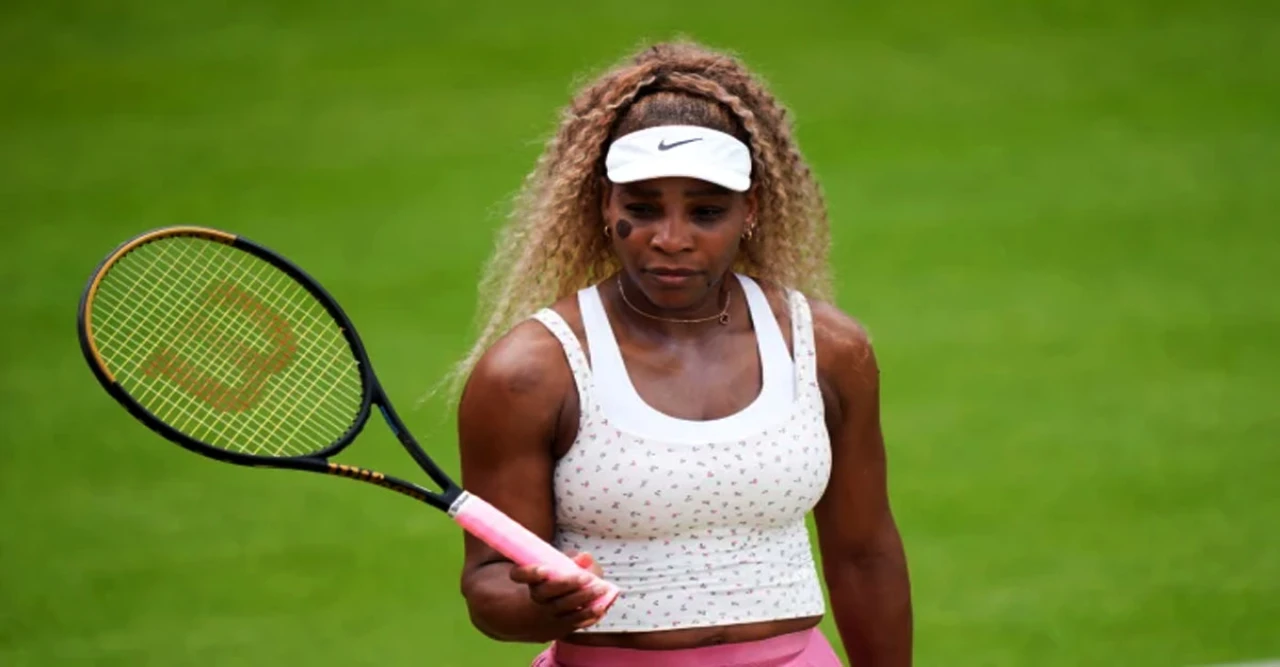
Serena Williams will return to Wimbledon’s singles draw in 2026 after receiving a tournament wild card, the All England Club confirmed. The 44-year-old tennis icon—who has largely stepped back from the professional tour since 2022—will compete in the ladies’ singles when the Championships begin on June 29.
The wild-card announcement follows a week in which Wimbledon also confirmed that Serena and her sister Venus Williams will team up in the women’s doubles draw with a wild card for that event. The decision reunites two of the sport’s most recognizable figures on the grass courts of SW19, where both sisters have enjoyed deep tournament histories and multiple Grand Slam successes.
Serena’s return to competitive tennis has been gradual. She restarted play in early June at the Queen’s Club Championships in London, entering the doubles draw alongside Canada’s Victoria Mboko. The pair won their opening match in straight sets but withdrew shortly afterward when Mboko suffered a right knee injury. Serena then partnered with Karolína Muchová at the Berlin Open on June 16; the team lost in the first round.
Before this month’s activity, Serena’s last singles match took place at the 2022 U.S. Open, when she exited in the third round. At the time, she described her future in tennis as “evolving” rather than retiring, leaving the door open for future appearances. The wild card for Wimbledon’s singles event marks a notable step in that ongoing evolution and places her once again among an elite field of players on one of the sport’s most storied stages.
Wimbledon’s move to grant Serena a singles wild card aligns with the tournament’s longtime practice of recognizing players who bring significant competitive and cultural value to the Championships. Wimbledon has historically balanced merit-based entries with discretionary wild cards to include former champions, high-profile players returning from absence, and athletes whose presence enhances the event’s visibility and appeal.
For the tournament, Serena’s participation carries layered significance. She is a seven-time Wimbledon singles champion whose performances helped reshape women’s tennis and broaden its global audience. Her presence on the court is likely to draw strong spectator interest, television viewership, and newsroom attention, while adding a compelling narrative to the 2026 draw—especially given the prospect of a doubles pairing with Venus, another multiple-time Wimbledon champion.
From a competitive standpoint, Serena’s reappearance presents questions about form, fitness, and match readiness. After a multi-year hiatus from regular tour competition, players returning to major events often face adjustments: readapting to match intensity, regaining on-court movement and timing, and navigating the physical demands of a two-week Grand Slam. Her recent doubles matches provided limited match practice, and singles competition at Wimbledon will pose a different set of challenges against top-ranked opponents who have spent the season competing regularly.
Serena has spoken publicly about personal motivations for coming back. She credited her daughter, Olympia, with encouraging the reunion with Venus, describing her daughter as perceptive and influential in the decision. The family element adds an emotional dimension to the return and underscores Serena’s role as both elite athlete and parent, balancing private life with professional ambitions.
Tournament organizers and peers will monitor Serena’s preparation closely in the weeks leading up to the tournament. Seedings and draws will determine her first-round opponent, and organizers will confirm her place in the order of play as the Championships progress. Wimbledon’s grass surface historically favors players with strong serve and aggressive movement to the net—skills Serena employed successfully across her career—but the surface also tests timing and quickness, aspects that can be affected by extended breaks from weekly competition.
Beyond the immediate competition, Serena’s decision to play singles at Wimbledon adds to broader conversations about athlete comebacks and longevity in sport. High-profile returns often prompt renewed public interest in legacy, competitive hunger, and whether elite performers can rejoin top-tier fields after stepping away. Serena’s stature ensures that her results will be widely reported and analyzed, both on match days and in the context of her career achievements.
As Wimbledon approaches, attention will focus on final preparations, medical and training reports, and the official draw. For fans and observers, Serena’s presence represents a significant storyline for the 2026 Championships—an opportunity to see a transformational figure back on one of tennis’s biggest stages.