
Steam Machine Owners Get a Major Graphics Boost: FSR 4 Confirmed, But Not at Launch
Omor Farooq | প্রকাশিত: ২৩ জুন, ২০২৬, ০৭:৩৩ এএম
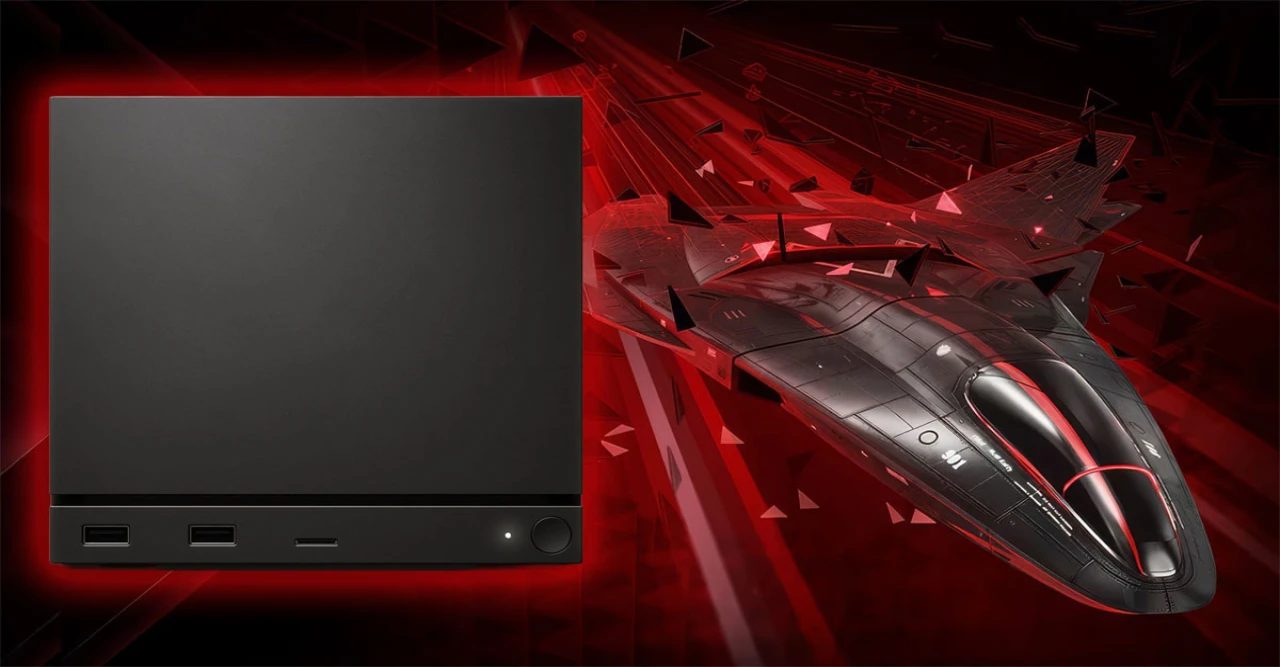
Valve has confirmed that AMD’s next-generation upscaling technology, FSR 4, is officially coming to the Steam Machine handheld gaming PC. However, in a recent update, the company clarified that the highly anticipated feature will not be available when the device first ships to consumers.
The confirmation came directly from Steam OS developer Pierre-Loup Griffais, who addressed the status of the advanced upscaler. While the news is a significant relief for prospective buyers, it also sets clear expectations regarding the device’s initial performance capabilities. The developer noted that while integration is underway, the software will require additional development time before it is ready for public deployment.
This development is particularly noteworthy given AMD’s prior messaging regarding its new upscaling technology. When FSR 4 was initially unveiled, the company indicated that it would be a proprietary feature exclusive to its latest Radeon 9000 series graphics cards. This stance caused concern among users with older hardware and those anticipating the launch of new devices like the Steam Machine.
However, AMD has since walked back this exclusivity. In May, the company officially announced a target release window of July for bringing FSR 4 support to its previous generation Radeon 7000 series GPUs. Despite this positive shift, support for the RDNA 3.5 architecture remains officially unconfirmed, creating a fragmented landscape for users depending on their specific hardware configurations. The confirmation for the Steam Machine suggests that Valve is working directly with AMD to ensure the handheld benefits from the latest visual advancements.
The implementation of the current generation, FSR 3, has presented some challenges on the Steam Machine hardware. Users looking to target a 1440p output resolution have frequently encountered CPU bottlenecks, which can destabilize frame rates and hinder the overall gaming experience. The arrival of FSR 4 is expected to alleviate these issues significantly. Although the new technology is slightly more demanding in terms of processing cost, the superior quality of its output allows for a lower internal rendering resolution. This trade-off results in faster performance while maintaining image quality that is comparable to, or even better than, the previous version.
Griffais provided further insight into the integration process, stating that while Valve and AMD are collaborating closely, a specific release date for the feature remains undetermined. He emphasized that the update is progressing on the same schedule as other software development efforts. One of the key advantages of this integration is the seamless nature of the upgrade. According to the developer, any game that supports a new enough version of the FSR Software Development Kit will automatically be updated. The FSR option in the AMD software will begin utilizing FSR 4 as soon as Proton, the compatibility layer used for running Windows games on Linux, rolls out the necessary support.
This approach mirrors the streamlined update process currently seen on Windows operating systems. On that platform, the Dynamic Link Library files associated with the upscaling are automatically upgraded without requiring manual intervention from the user or the game developers themselves. This plug-and-play style update is designed to reduce friction and ensure that a wide library of games immediately benefits from the visual improvements.
Currently, the process for enabling FSR 4 on Linux systems is somewhat cumbersome. Users are often required to input additional launch commands through the Steam client to activate the feature. The prospect of a more streamlined, automated alternative is eagerly anticipated by the community. It remains to be seen whether Valve and AMD can successfully create a method that eliminates these technical hurdles, making the technology more accessible to the average user.
The confirmation of FSR 4 support is a significant boon for the Steam Machine, promising to enhance the device’s longevity and visual fidelity. By leveraging a more efficient upscaler, the handheld can potentially deliver a more console-like experience, bridging the gap between portable gaming and high-end desktop performance. The ability to utilize lower internal resolutions without sacrificing visual clarity is crucial for maintaining smooth frame rates in demanding titles.
For the broader gaming ecosystem, the integration of FSR 4 into the Steam Machine represents an important step in the adoption of next-generation upscaling technology. It demonstrates a commitment from both Valve and AMD to providing users with the latest software tools, regardless of the platform. This collaboration could set a standard for how such features are implemented in future handheld devices.
While the wait for the feature may be disappointing for early adopters, the confirmation that it is coming provides a clear roadmap for the device’s future. The focus on automatic updates and ease of use suggests that Valve is prioritizing user experience. The company is working to ensure that the transition to the new technology is as smooth and beneficial as possible for its user base.
In the competitive landscape of portable gaming PCs, software optimization is becoming just as important as raw hardware specifications. The arrival of FSR 4 is poised to give the Steam Machine a distinct advantage, allowing it to punch above its weight class in terms of visual performance. As the technology matures, the gap between handheld and desktop gaming is likely to continue narrowing.
Ultimately, while the wait for FSR 4 may test the patience of some consumers, the eventual payoff promises to be substantial. The confirmation of the feature’s arrival signals a long-term commitment to improving the device’s performance. This commitment helps ensure that the Steam Machine remains a relevant and powerful option in the rapidly evolving world of gaming hardware. The focus now turns to the development timeline and whether Valve can deliver the streamlined experience gamers expect.