
Keanu Reeves Reunites with ‘Toy Story 4’ Director for High-Stakes Lego Hybrid Movie
Mousumi Akter | প্রকাশিত: ২৩ জুন, ২০২৬, ১০:৩২ এএম
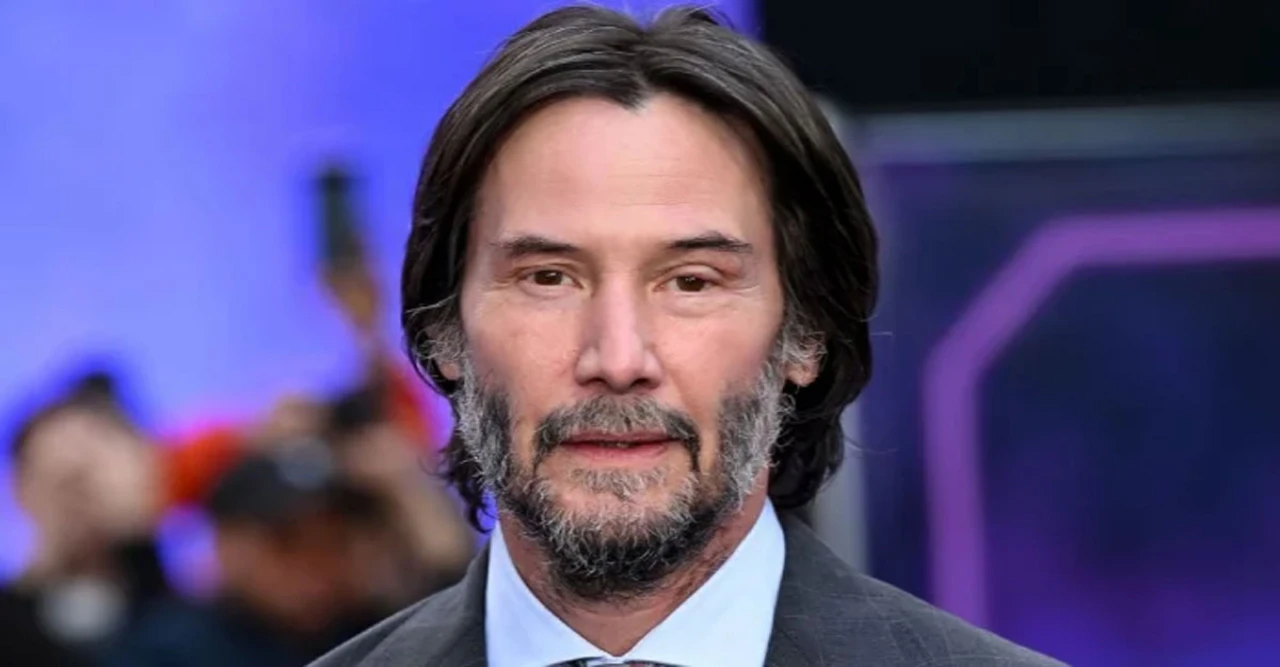
Keanu Reeves is in early talks to star in a new Lego movie at Universal Pictures, a project that would reunite him with Academy Award-winning director Josh Cooley. The untitled film is being developed as a hybrid of live-action and animation, marking a fresh creative direction for the iconic toy franchise. If the deal closes, Reeves would join a growing slate of high-profile talent attached to the studio’s efforts to revitalize the brand on the big screen.
The partnership between Reeves and Cooley is already familiar to audiences. The two previously worked together on Pixar’s Toy Story 4, where Reeves voiced Duke Caboom, the exuberant Canadian stuntman action figure. That performance earned widespread praise for its comedic timing and heartfelt delivery, helping to make Duke Caboom one of the film’s most memorable new characters. The reunion now carries significant creative weight, as Cooley is expected to bring a similar blend of humor, emotion, and visual ingenuity to the Lego universe.
At this stage, it remains unclear whether Reeves would appear in a live-action capacity, provide voice work for an animated character, or take on a dual role. The script is still in early development, and no plot details have been officially disclosed. The studio has also not confirmed any additional cast members or identified a screenwriter for the project. Universal declined to comment on the negotiations, which is standard practice during early production discussions.
Behind the scenes, however, the project is said to be moving with a sense of urgency. Universal first secured the film rights to Lego in 2020, and since then, the studio has announced multiple live-action concepts that never advanced past the planning phase. According to recent reports, the studio now faces a tight six-month window to begin formal production on a Lego film before those licensing rights are subject to renegotiation. If Universal fails to meet that deadline, Lego could once again become available to other Hollywood studios, creating a competitive and uncertain landscape for the franchise’s future.
The Lego film franchise has seen a turbulent journey since its breakout debut. Warner Bros. launched the property in 2014 with The Lego Movie, directed by Phil Lord and Christopher Miller. That film became an instant cultural phenomenon, earning critical acclaim for its inventive animation, sharp satire, and heartfelt story about creativity and individuality. It grossed over $1 billion worldwide and spawned a successful spin-off, The Lego Batman Movie, which also performed strongly with both critics and audiences.
However, subsequent installments failed to replicate that success. The Lego Ninjago Movie underperformed at the box office, and The Lego Movie 2: The Second Part disappointed commercially despite positive reviews. The diminishing returns ultimately led Warner Bros. to allow its film rights to lapse, opening the door for Universal to acquire them in 2020. Since then, the franchise has remained largely dormant in theaters, with fans eagerly awaiting news of a new cinematic direction.
Now, with Reeves and Cooley attached, the new project represents what many industry observers view as Universal’s most serious attempt to revive the property. Cooley’s background in animation, particularly his work on Toy Story 4, which won the Oscar for Best Animated Feature, makes him a strong candidate to bring fresh energy and emotional depth to the Lego world. Reeves, known for his versatility across action blockbusters like The Matrix and John Wick as well as comedic roles, offers a unique bridge between live-action spectacle and animated charm.
Industry analysts note that the hybrid format could provide a distinctive visual experience, allowing for seamless integration of real-world environments with Lego’s signature block-built aesthetic. This approach has been attempted in other family films with varying success, but the combination of Cooley’s storytelling sensibility and Reeves’ screen presence gives the project a notable edge. It also aligns with broader industry trends favoring nostalgia-driven content and franchise extensions that appeal to both younger viewers and adult fans.
The pressure on Universal is not just creative but also financial. Franchise films remain one of the most reliable revenue streams for major studios, and Lego’s global brand recognition offers significant merchandising and licensing opportunities beyond the box office. A successful film could open the door to theme park attractions, consumer products, and digital content, making the stakes considerably high for the studio’s long-term strategy.
For Reeves, the project adds to an already busy and diverse career slate. He recently reprised his iconic role as Neo in The Matrix Resurrections and continues to star in the John Wick franchise, which is set to expand with spin-offs and sequels. His willingness to take on a family-friendly animated project signals his continued interest in exploring different genres and working with visionary directors on unconventional material.
While no production timeline has been set, the six-month deadline suggests that casting and script development will accelerate quickly. Universal has not confirmed whether the film will target a theatrical release or potentially stream on its Peacock platform, though a wide theatrical rollout would be expected given the franchise’s history and commercial ambitions.
Fans of both the Lego movies and Reeves’ work have responded enthusiastically to the news, with social media buzzing about the potential for Duke Caboom cameos or entirely new characters. The creative freedom afforded by the Lego universe allows for endless possibilities, from original storytelling to playful parodies of popular culture. Cooley’s track record suggests he will lean into that creative flexibility while maintaining the emotional core that made The Lego Movie so beloved.
As the project moves forward, it will inevitably face comparisons to the Warner Bros. films that preceded it. Yet the new team’s fresh perspective, combined with the urgency of the licensing clock, may produce a film that stands on its own while honoring the playful spirit of the source material. The involvement of a major star like Reeves and an accomplished director like Cooley signals that Universal is committed to getting this iteration right.
For now, audiences will have to wait for official announcements regarding plot, additional casting, and release plans. But the reunion of Reeves and Cooley, set against the backdrop of a beloved toy brand with global appeal, already positions this project as one of the most anticipated family films in development. Whether it can recapture the magic of the original remains to be seen, but the creative talent involved offers reason for cautious optimism.