
Airbus A380 Wing Spar Cracks: EASA’s Emergency Inspection Directive and What It Means for Safety and Airlines
Abdullah Sahel | প্রকাশিত: ২৬ জুন, ২০২৬, ১২:২৩ এএম
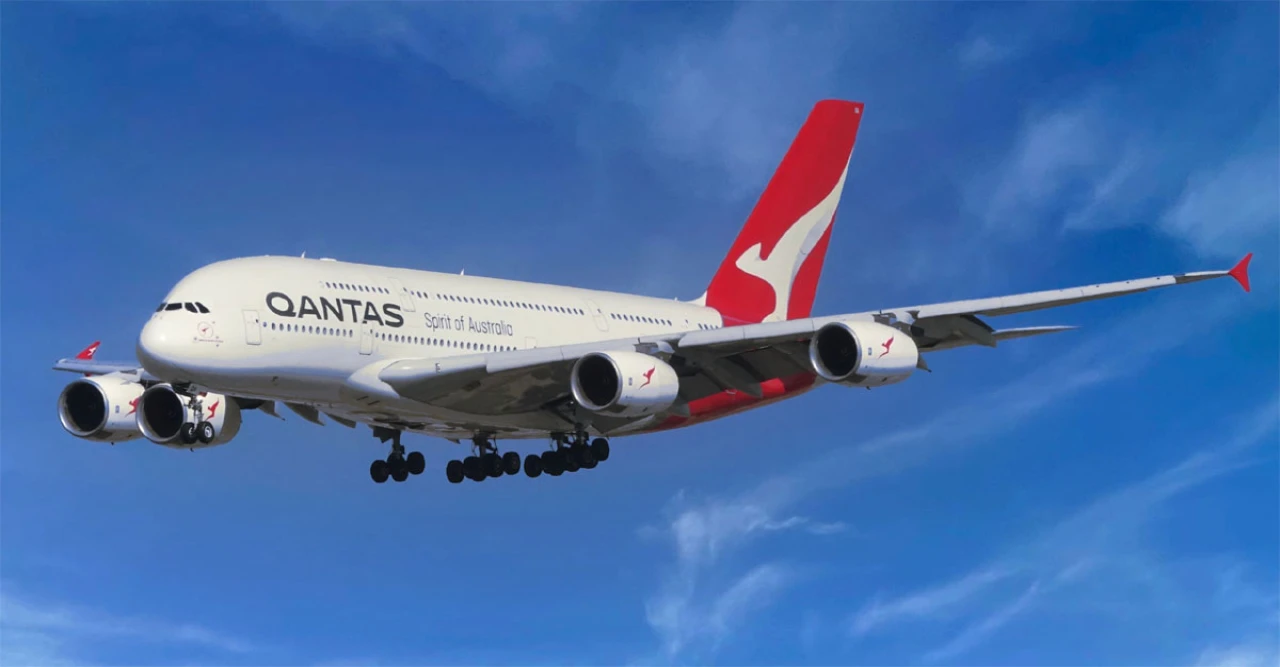
An emergency airworthiness directive from the European Union Aviation Safety Agency (EASA) has ordered urgent inspections of the wing mid-spars on 16 Airbus A380 superjumbos after maintenance checks revealed cracks that “could reduce the structural integrity of the wing,” forcing immediate inspections for five aircraft and near-term checks for the rest.
Why this matters
The A380 remains the world’s largest passenger airliner and a backbone on many long-haul routes; structural problems in a primary wing component raise durable questions about aging fleets, inspection protocols, and how manufacturers and regulators coordinate to keep rare but high-consequence risks low.
H2 — What EASA’s emergency AD requires
-
EASA issued Emergency Airworthiness Directive (EAD) 2026-0119-E requiring special detailed inspections of the wing mid-spars on 16 A380s, effective June 24, 2026.
-
Five of those aircraft (all operated by Emirates) must be inspected before their next commercial passenger flight; the remaining 11 must be inspected within 25 flight cycles unless otherwise directed.
-
Operators are required to contact Airbus for the detailed inspection instructions and must report findings promptly; any aircraft found with cracks must be repaired before returning to service.
H2 — What cracked “mid-spars” are and why they matter
-
The mid-spar is a principal internal beam in the wing box that carries bending and shear loads during flight; damage there can meaningfully affect a wing’s structural integrity if left unaddressed.
-
Inspections target interior spar surfaces not always visible without special non-destructive testing such as ultrasonic scanning and eddy-current testing.
-
Because the mid-spar transmits large aerodynamic and landing loads, even small cracks can propagate under repeated stress cycles — making timely detection and repair essential to long-term airworthiness.
H2 — How regulators and airlines are responding
-
EASA’s AD builds on earlier directives and inspection campaigns; regulators said data from prior inspections (including directives issued in 2023 and 2025) showed cracks could evolve in certain A380s and that additional, targeted inspections were necessary.
-
Emirates confirmed it would comply immediately, starting inspections within 48 hours and holding aircraft until any required work is completed.
-
Airlines are permitted to operate some affected aircraft for a short period under restrictions (ferry flights allowed under constrained conditions), but the most urgent group must be grounded until inspected.
H3 — Who is affected
-
The AD applies to specific early-production A380 serial numbers — 16 airframes in total — 15 of which are operated by Emirates and one by Qantas.
-
The directive does not ground the entire A380 fleet; it targets airframes whose production history or storage/use patterns make them more likely to show the observed cracking behavior.
H2 — Technical background: why cracks appeared
-
Investigations since earlier ADs identified hydrogen embrittlement and other stress-related mechanisms as contributors to accelerated crack growth in some A380 spars, particularly in airframes that experienced long storage or certain manufacturing/treatment histories.
-
Over time, small defects or material susceptibility can lead to crack initiation; repeated flight cycles then propagate those cracks unless caught by inspection and repaired.
-
The current AD follows analysis of inspection data showing that previously detected cracks in some aircraft could compromise wing strength if allowed to progress.
H2 — Practical implications for airlines and passengers
-
Short-term: targeted aircraft will be taken out of passenger service for inspection and necessary repairs; carriers with affected jets (notably Emirates and Qantas) will shuffle schedules, use spare aircraft, or cancel flights as needed.
-
Maintenance operations will require trained technicians and non-destructive testing equipment; operators must follow Airbus’s detailed inspection instructions and document results to regulators.
-
Long-term: airlines and lessors may need to factor the inspections, repairs, and any revised life-limits into fleet planning, rotations, and maintenance budgets — a practical cost of operating aging or low-volume aircraft types.
H2 — What this means for A380 safety and public confidence
-
Aviation regulators emphasize that the inspections are precautionary and targeted; the AD does not reflect an immediate fleet-wide grounding but addresses a structural risk that requires quick action to maintain the high safety margins aviation demands.
-
The A380 has undergone multiple inspection programs over the years; these iterative ADs and repairs are an expected part of lifecycle safety management for older airframes across many aircraft types.
-
Transparent reporting, rapid inspections, and mandatory repairs when cracks are found help preserve public trust by showing the system of manufacturer–operator–regulator oversight is functioning as intended.
H3 — Common questions answered
-
Will the A380 fleet be grounded? No — the AD targets 16 specific aircraft; the wider fleet continues to operate unless inspectors find broader issues.
-
Is flying on an A380 unsafe? Operators and regulators state inspections are precautionary and required to ensure continued safety; aircraft are repaired before carrying passengers if defects are found.
-
Are similar issues unique to the A380? No — aging aircraft of many types experience structural fatigue that must be managed by inspection and repair programs; what’s notable here is the mid-spar location and the precise serial numbers affected.
H2 — Long-term best practices for operators and regulators
-
Maintain conservative inspection intervals for primary structures and update protocols when new failure modes are identified; use a combination of visual checks and advanced non-destructive testing to detect early-stage cracks.
-
Share inspection data across operators, manufacturers, and regulators to enable fleet-wide risk assessments and to refine AD scope and timing.easa.europa+1
-
For operators: integrate inspection requirements into long-term maintenance planning and budgeting, and ensure technicians receive targeted training on emergent inspection techniques.
-
For manufacturers and regulators: continue material science research (e.g., into embrittlement phenomena) and consider retrofits or design changes where recurring structural issues are confirmed.
EASA’s emergency AD for 16 Airbus A380s underscores how aviation safety is sustained by rigorous inspection, fast regulatory action, and transparent cooperation among manufacturers and operators; while the directive affects only a small subset of A380s, it is a reminder that ageing aircraft require continuous, data-driven maintenance vigilance to preserve the strong safety record of commercial aviation.easa.