
Binance: Beyond the Exchange – How a Crypto Startup Became a Financial Super App
Omor Farooq | প্রকাশিত: ২৬ জুন, ২০২৬, ১২:২৩ এএম
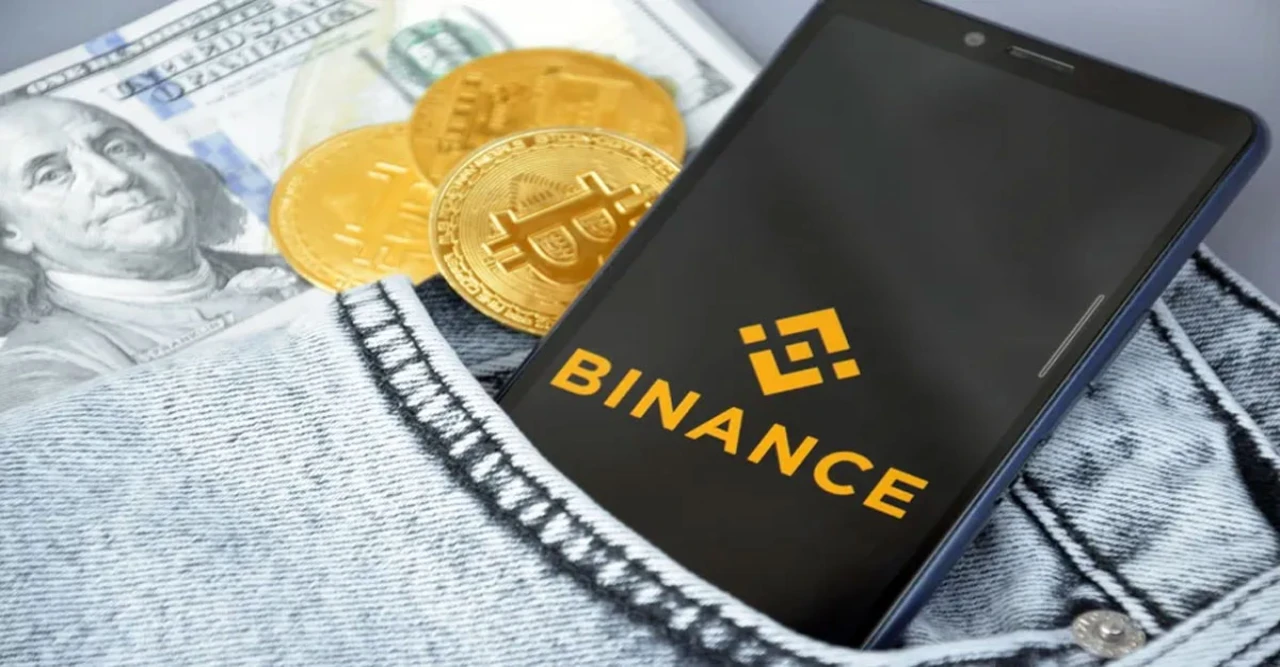
Since its founding in 2017, Binance has evolved far beyond its origins as a simple cryptocurrency exchange. What began as a platform for trading digital assets has transformed into a comprehensive financial ecosystem, serving over 300 million registered users worldwide and processing trillions of dollars in trading volume . Today, Binance stands as one of the most influential players in the global financial technology landscape, bridging the gap between traditional finance and the emerging world of digital assets.
From ICO to Industry Leader
Binance launched in July 2017 during a period of explosive growth in the cryptocurrency market. The company raised $15 million through an Initial Coin Offering for its native token, Binance Coin (BNB), positioning itself to capitalize on growing demand for altcoin trading . Founders offered a sleek platform with competitive fees—just 0.1% per trade—and support for hundreds of cryptocurrencies, quickly attracting traders from around the world.
The platform’s early success was tested just months after launch when China banned cryptocurrency exchanges. Binance demonstrated remarkable agility, relocating operations first to Japan and then to Malta, a jurisdiction known for its crypto-friendly regulatory stance . This adaptability allowed the exchange to continue operating while many competitors struggled, establishing a pattern of resilience that would define the company’s trajectory.
Trading Volume and Market Dominance
Binance has established itself as the dominant force in cryptocurrency trading. In 2025 alone, the platform processed $34 trillion in trading volume across all products, with spot trading volume exceeding $7.1 trillion . This represents an 18% increase in average daily trading volume compared to the previous year, demonstrating sustained growth despite market fluctuations.
Since its inception, Binance users have traded over $125 trillion in value across spot and futures markets—a figure that surpasses the world’s combined GDP by approximately 13% . The platform handles an extraordinary 217 million trades daily, or roughly 2,511 trades per second, supported by infrastructure capable of managing 4.475 million requests per second during peak activity periods .
This scale has earned Binance recognition from major financial publications. The platform was named Forbes’ Most Trusted Crypto Exchange in 2025, ranked first in Fortune’s FinTech Innovators Asia list in the Blockchain & Crypto category, and recognized as one of CNBC’s World’s Top Fintech Companies in Digital Assets .
The Ecosystem Expands Beyond Trading
Binance has deliberately positioned itself as more than an exchange. The company has built an integrated financial ecosystem that includes multiple product lines serving diverse user needs.
Binance Earn and Passive Income
For users who prefer holding and growing assets over active trading, Binance Earn offers flexible savings, staking, and auto-invest tools. Over the past eight years, users have earned and saved more than $5 billion through these products . In 2025 alone, Binance Earn distributed $1.2 billion in rewards to users across its product lines .
Binance Pay and Everyday Utility
Binance has focused on making cryptocurrency useful for everyday transactions. Binance Pay has processed $230 billion across more than 300 million transactions, saving users $1.75 billion in remittance fees between 2022 and late 2024 . The payment system has expanded to more than 20 million merchants, offering a cost-effective alternative for cross-border payments, freelancers, and families .
Binance Wallet and Decentralized Access
With over 20 million users, Binance Wallet has become a cornerstone of the company’s decentralized offerings . The wallet provides self-custody and streamlined access to DeFi protocols, DApps, and on-chain tools, bridging the gap between centralized and decentralized finance.
Expanding into Traditional Assets
Most recently, Binance has taken a significant step toward becoming a comprehensive financial super app. The platform now enables users in select jurisdictions to trade over 7,000 U.S. stocks and ETFs alongside cryptocurrencies, settling trades in stablecoins . This expansion represents a fundamental shift in Binance’s identity from a crypto-only platform to a multi-asset gateway to the wider financial system.
In its first week, more than 80% of direct stock trading volume on Binance came from emerging-market users, highlighting how the platform is democratizing access to U.S. equities . The company also launched bStocks, a tokenized securities product allowing users to trade their positions 24/7 and move them off-platform into their own wallets.
Security and User Protection
Given its size and prominence, Binance has made security a paramount priority. The company maintains a Secure Asset Fund for Users (SAFU) to protect customer funds in emergency situations, storing the majority of user assets in cold storage to minimize vulnerability to hacks . Additional security measures include two-factor authentication, real-time monitoring of suspicious activity, data encryption, withdrawal address whitelisting, and anti-phishing codes .
The results of these investments are measurable. Since 2023, Binance has reduced direct exposure to major illicit funds categories by 96% . In 2025, the platform’s controls helped prevent $6.69 billion in potential fraud and scam losses for 5.4 million users . Between December 2022 and May 2025, security teams prevented nearly $10 billion in potential fraud losses, directly helping 7.5 million users through freeze-and-recovery operations and real-time threat detection .
Binance processes more than 65,000 law enforcement requests annually and has supported the confiscation of more than $90 million in ill-gotten funds . The company has delivered over 160 law enforcement training sessions, collaborating with agencies including Europol, INTERPOL, the DEA, the NCA, and Homeland Security Investigations .
Regulatory Landscape and Compliance
Binance has faced significant regulatory scrutiny across multiple jurisdictions, a challenge that has shaped its evolution. The company has invested heavily in compliance infrastructure, with over 1,500 employees now working in compliance-related roles—approximately 21.8% of its total workforce .
In 2023, Binance reached a $4.3 billion settlement with U.S. authorities after founder Changpeng Zhao pleaded guilty to breaching anti-money laundering laws . Zhao served nearly four months in prison before receiving a pardon from President Donald Trump in 2025 . The settlement resolved major legal hurdles and positioned the company for further growth.
Despite these challenges, Binance has secured significant regulatory milestones. The exchange became the first global crypto platform to receive full authorization under the Financial Services Regulatory Authority of the Abu Dhabi Global Market framework, covering governance, risk management, custody, clearing, and consumer protection .
The company continues to pursue regulatory approval in key markets. In Europe, Binance is working to secure a license under the Markets in Crypto-Assets regulation, though the process has encountered setbacks . The company remains committed to the European market and is exploring alternative pathways to authorization .
User Demographics and Behavior
A comprehensive Binance user survey conducted in September 2025, with 96,752 respondents across 48 markets, revealed important insights into how people use the platform . Half of Binance users identify as long-term investors, while 26% describe themselves as short-term active traders and 23% as medium-term “wave” traders .
The survey found that new users often begin with recognizable assets, with Ethereum, Binance Coin, and Solana emerging as popular altcoins alongside Bitcoin . Regional preferences vary significantly, with XRP leading in Mexico, parts of the Middle East, and South Asia, while Dogecoin tops in Pakistan .
Binance Earn is the most common first-touch product across most countries, followed by Convert, suggesting new users often prefer passive yield and simple swaps over active trading . Trust remains a decisive factor at signup, with personal data protection, asset safety, and scam risks dominating concerns . The platform’s dominance in mobile access—83% of respondents use mobile to access Binance—reflects its accessibility in both emerging and developed markets .
Education and Social Impact
Binance has invested in education and charitable initiatives as part of its broader mission. Binance Academy, a free, open-access educational platform available in 29 languages, has helped more than 64 million people build their crypto knowledge . The Learn & Earn program has distributed over $12.8 million to encourage learning and lower barriers to entry .
Through Binance Charity, the company has donated over $40 million to education and disaster relief efforts, benefiting nearly 4 million people globally . More than $5.5 million has supported education through scholarships and student aid, helping underserved communities while laying groundwork for long-term crypto adoption .
Competitive Position and Industry Recognition
Independent assessments have consistently ranked Binance as the leading cryptocurrency exchange. The November 2025 CoinDesk Exchange Benchmark evaluated 81 exchanges against more than 100 metrics covering market quality, compliance, transparency, and security . Binance ranked first for both spot and derivatives trading, scoring above 90 in both categories and placing it in the AA tier—the only exchange to achieve this distinction .
The platform accounts for approximately 26% of global spot volume, roughly equaling the combined share of the next seven largest exchanges . This dominance in derivatives is even more pronounced. High liquidity translates to tighter spreads, lower slippage, and more efficient price discovery—benefits that extend throughout the ecosystem .
Future Direction
Binance’s trajectory suggests continued evolution from cryptocurrency exchange to comprehensive financial platform. The integration of traditional assets like stocks and ETFs alongside cryptocurrencies represents a significant step toward this vision . The company continues to invest in compliance, security, and user protection while expanding its product offerings across both centralized and decentralized finance.
As the cryptocurrency industry matures and regulatory frameworks become clearer, Binance’s ability to balance growth with compliance will likely determine its long-term position. The company has demonstrated remarkable adaptability since its founding, navigating regulatory challenges, technological shifts, and market volatility to maintain its leadership position.
With its vast user base, deep liquidity, and expanding product ecosystem, Binance has established itself as more than a cryptocurrency exchange—it has become a financial infrastructure provider with global reach and significant influence over how digital assets are traded, stored, and used in everyday life.