
Best Vitamin D3 in 2026: The Complete Guide to Benefits, Dosage, and What to Look For
Why Vitamin D3 Is One of the Most Talked-About Supplements in America Right Now
Mousumi Akter | প্রকাশিত: ২৮ জুন, ২০২৬, ০১:০৯ এএম
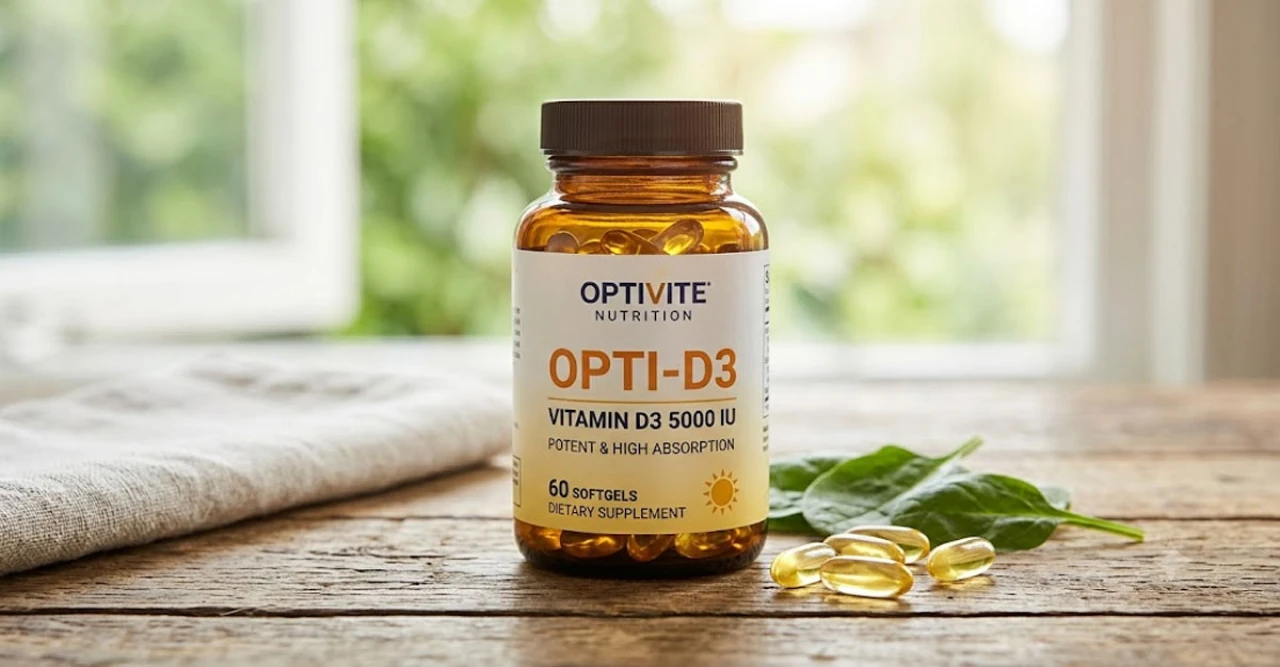
If you've visited a doctor recently, there's a good chance vitamin D came up in conversation. That's not an accident. Vitamin D deficiency has quietly become one of the most common nutritional shortfalls in the United States, affecting an estimated 42% of American adults — and many don't know it until they get a blood test.
What makes this especially surprising is that vitamin D isn't hard to find in theory. Your body can produce it naturally from sunlight. Yet modern lifestyles — more time spent indoors, greater use of sunscreen, limited fatty fish consumption — mean millions of Americans are running low.
Vitamin D3, the form your body makes from sunlight and the most effective form found in supplements, has attracted growing interest not just for bone health but for its potential role in immune function, cardiovascular health, mental wellness, and even cellular aging. This guide cuts through the noise to give you a clear, evidence-based look at what vitamin D3 actually does, who needs it most, and how to choose a supplement that fits your health goals.
What Is Vitamin D3, and How Is It Different From Vitamin D2?
Vitamin D is a fat-soluble nutrient — meaning your body stores it in fat tissue and uses it over time, rather than flushing out excess daily like water-soluble vitamins. It exists in two main supplemental forms:
- Vitamin D3 (cholecalciferol): The naturally occurring form synthesized in human skin when exposed to UVB sunlight, and also found in animal-based foods like fatty fish and egg yolks.
- Vitamin D2 (ergocalciferol): A plant-derived form often used as a food additive in fortified products.
While both forms are absorbed similarly in the small intestine, research consistently shows that vitamin D3 is more effective at raising and maintaining blood levels of 25-hydroxyvitamin D — the form measured in standard blood tests. For this reason, most physicians and registered dietitians recommend D3 over D2 when supplementing.
Both forms are available in capsules, softgels, tablets, gummies, liquids, and sublingual (under-the-tongue) tablets, giving you plenty of flexibility in how you take them.
Why Vitamin D3 Matters: The Role It Plays in Your Body
Vitamin D3 isn't just a bone vitamin. Once absorbed, it acts more like a hormone, influencing hundreds of biological processes. Here's what the research supports:
Bone Health and Calcium Absorption
Vitamin D3's best-established role is facilitating calcium absorption in the gut. Without adequate vitamin D, your body can only absorb a fraction of the calcium you consume. Over time, deficiency leads to weakened bones, increasing the risk of fractures, osteoporosis, and in children, rickets.
For older adults, this connection is especially important. Research published in the NCBI Bookshelf notes that adults aged 65 and older benefit from higher daily intakes — between 800 and 1,000 IU — specifically to reduce the risk of falls and fractures.
Immune System Function
Vitamin D3 receptors appear on nearly every cell of the immune system. Low vitamin D levels have been associated with increased susceptibility to respiratory infections, and several studies have explored its potential role in immune modulation. While results have been mixed — particularly in the context of COVID-19, where a 2025 meta-analysis found no significant reduction in hospitalization rates from D3 supplementation alone — the association between adequate levels and general immune resilience remains supported by observational data.
Cardiovascular and Metabolic Health
Emerging research has explored the connection between vitamin D3 and heart health. A study presented at the American Heart Association Scientific Sessions 2025 — the TARGET-D trial — found that targeted vitamin D3 supplementation may help reduce the risk of a second heart attack in people who already experienced one. Notably, 87% of participants in that trial had low vitamin D levels at the start, reinforcing how common the deficiency is in at-risk populations.
Vitamin D3 has also been studied for its potential to improve glucose homeostasis and lipid profiles, though experts caution that more large-scale randomized controlled trials are needed before firm clinical recommendations can be made in these areas.
Cellular Aging and Longevity
One of the more exciting areas of vitamin D3 research involves telomeres — the protective caps at the ends of your chromosomes that naturally shorten as you age. A study published in The American Journal of Clinical Nutrition in July 2025, using data from the large-scale U.S. VITAL trial, found that vitamin D3 supplementation at 2,000 IU daily significantly reduced telomere shortening over four years — an effect researchers estimated was equivalent to preventing nearly three years of cellular aging.
Experts note that this was a post-hoc analysis of a trial not originally designed to study telomere effects, so the findings should be considered promising rather than definitive. Still, it adds to the case that vitamin D3 may have broader longevity-related benefits worth studying further.
Mental Health and Mood
Lower vitamin D levels have been associated with higher rates of depression and seasonal affective disorder, though the research on supplementation as a treatment remains mixed. Some clinical trials show modest improvements in mood with D3 supplementation, while others show little effect. It's worth discussing with your healthcare provider if you notice mood changes alongside other deficiency symptoms.
Who Is Most at Risk for Vitamin D3 Deficiency?
Deficiency is far more common than most people realize. According to data from the National Health and Nutrition Examination Survey, certain groups face significantly higher odds of inadequate vitamin D levels:
- People with limited sun exposure: Those who work indoors, live in northern states with less year-round UVB sunlight, or keep skin covered due to personal or religious practice.
- Older adults: Skin becomes less efficient at synthesizing vitamin D with age, and older adults are also more likely to spend time indoors.
- People with darker skin tones: Higher melanin content reduces the skin's ability to produce vitamin D from sunlight.
- Individuals with obesity: Vitamin D is fat-soluble and can become sequestered in adipose (fat) tissue, making it less bioavailable.
- People with malabsorption conditions: Crohn's disease, celiac disease, and other gastrointestinal conditions can impair vitamin D absorption.
- Those who avoid animal products: Vitamin D3 is found almost exclusively in animal-based foods, making vegans and strict vegetarians more vulnerable.
- Smokers and sedentary individuals: Research from NHANES data shows these groups have significantly higher rates of vitamin D inadequacy.
Signs and Symptoms of Vitamin D3 Deficiency
Vitamin D deficiency often develops silently, but watch for these common indicators:
- Persistent fatigue or low energy, even with adequate sleep
- Bone pain or tenderness, particularly in the back, hips, or legs
- Muscle weakness or aches
- Frequent illness or slow recovery from infections
- Low mood, irritability, or symptoms of depression
- Hair loss in some cases
- Slow wound healing
It's important to note that many of these symptoms overlap with other conditions. If you suspect deficiency, the best step is a simple blood test — specifically a 25-hydroxyvitamin D (25(OH)D) level — ordered by your doctor.
How Much Vitamin D3 Do You Actually Need?
Dosage recommendations vary by age, health status, and individual factors. Here's what the current guidance looks like:
NIH Recommended Dietary Allowances (RDA):
- Children and adults up to age 70: 600 IU (15 mcg) per day
- Adults over age 70: 800 IU (20 mcg) per day
- The safe upper limit for adults: 4,000 IU per day
For correcting deficiency: Medical guidance suggests that for blood levels below 12 ng/mL, initial high-dose supplementation under physician supervision may be appropriate — typically for eight weeks, followed by maintenance dosing.
The 2,000 IU debate: A 2024 review published in Nutrients argued that a daily dose of 2,000 IU may be more appropriate for adults in the general population to achieve truly protective blood levels, particularly given that the current RDA was primarily set with bone health in mind. Some researchers believe this threshold better accounts for D3's broader roles in immune function and disease prevention.
Importantly, taking more than 4,000 IU per day without medical supervision is not recommended. Excessive vitamin D can cause toxicity, leading to hypercalcemia (dangerously high calcium levels), which can result in nausea, confusion, kidney stones, and in severe cases, cardiac complications.
Vitamin D3 Food Sources: What You Can Get From Diet Alone
Supplementation fills gaps, but whole food sources are always worth maximizing. Natural and fortified sources of vitamin D3 include:
- Fatty fish: Salmon, tuna, mackerel, and sardines are among the richest natural sources
- Egg yolks: Contain small amounts of D3, especially from pasture-raised hens
- Beef liver: Moderate D3 content
- Fortified foods: Milk, orange juice, cereals, and plant-based milks commonly have D3 added
- Mushrooms exposed to UV light: These contain D2, not D3, but still contribute to overall vitamin D intake
For most people, diet alone won't meet optimal D3 needs — especially for those avoiding sun exposure or living at higher latitudes.
Choosing the Best Vitamin D3 Supplement: What to Look For
With hundreds of vitamin D3 products on the market, here's what actually matters when comparing options:
Third-Party Certification
Look for products tested and verified by independent organizations such as USP (United States Pharmacopeia), NSF International, or ConsumerLab. These certifications confirm that what's on the label is actually in the bottle at the stated dose — and that the product is free from harmful contaminants.
Dosage Per Serving
Common over-the-counter doses include 1,000 IU, 2,000 IU, and 5,000 IU. For general maintenance, 1,000–2,000 IU is appropriate for most healthy adults. If your doctor has diagnosed deficiency, they may recommend higher doses temporarily.
Softgels vs. Gummies vs. Tablets
Because vitamin D3 is fat-soluble, softgels that contain a small amount of oil (like olive or sunflower oil) may improve absorption slightly compared to dry tablets. Gummies are convenient and popular but sometimes contain lower doses and added sugars. Sublingual liquid drops can be a good option for those with absorption issues.
Vitamin D3 + K2 Combinations
Some supplements pair D3 with vitamin K2 (MK-7 form), based on research suggesting that K2 helps direct the calcium that D3 mobilizes into bones rather than soft tissues like arteries. While the evidence is promising, it's not yet definitive. This combination may be worth discussing with your doctor, particularly if you have cardiovascular concerns.
Brand Transparency
Reputable brands publish their third-party testing certificates and clearly state the form of vitamin D used (cholecalciferol for D3), the IU per serving, and any additional ingredients.
Potential Risks and Side Effects of Vitamin D3
When taken within recommended limits, vitamin D3 is safe for most people. However, there are a few important cautions:
- Toxicity from over-supplementation: Unlike sunlight exposure (which naturally regulates D3 production), supplements have no built-in ceiling. Taking extremely high doses over time — consistently above 10,000 IU per day — can lead to vitamin D toxicity.
- Drug interactions: Vitamin D can interact with certain medications, including steroids, some weight-loss drugs, and certain cholesterol medications. Always inform your healthcare provider about any supplements you take.
- Hypercalcemia: The most serious consequence of excess vitamin D is elevated blood calcium, which can cause symptoms from nausea and confusion to kidney damage and irregular heartbeat.
- Not a replacement for medical care: Vitamin D3 is a supplement, not a cure. It should complement, not replace, standard medical treatment for any diagnosed condition.
Lifestyle Tips to Maximize Your Vitamin D3 Levels
Supplementation works best as part of a broader approach to vitamin D health:
- Get safe sun exposure: Aim for 10–20 minutes of midday sun on arms and legs several times per week when UV index is sufficient. Avoid burning.
- Eat D-rich foods regularly: Incorporate fatty fish two to three times per week and include fortified dairy or plant milks daily.
- Take supplements with a meal: Because D3 is fat-soluble, taking it with your largest meal — one that contains some dietary fat — can improve absorption by up to 50%.
- Get tested: If you haven't had your 25(OH)D levels checked, ask your doctor. This simple blood test can guide the right supplementation strategy for your individual needs.
- Stay active: Regular physical activity has been associated with better vitamin D status and improved bone density, likely through multiple pathways including better metabolic health.
Products That May Help
While this article does not recommend specific brands, these general product categories can support your vitamin D3 supplementation routine:
- Third-party certified D3 softgels (USP or NSF verified) for reliable dosing
- Vitamin D3 + K2 combination capsules for bone and cardiovascular support
- Vitamin D liquid drops for those with swallowing difficulties or absorption concerns
- Pill organizers to build a consistent daily supplement habit
- Blood test home kits for monitoring 25(OH)D levels between doctor visits (available from several accredited labs)
Always consult with your healthcare provider before starting any new supplement, especially at higher doses.
Key Takeaways
Vitamin D3 is an essential nutrient that a large percentage of Americans don't get enough of. The consequences range from weakened bones to impaired immunity to potentially accelerated cellular aging. Here's what to remember:
- Vitamin D3 (cholecalciferol) is more effective than D2 at raising blood levels
- Most adults need 600–800 IU daily per NIH guidelines; many researchers argue 1,000–2,000 IU may be more practical for adequate levels
- The safe upper limit is 4,000 IU per day without medical supervision
- Those at highest risk include older adults, people with darker skin, those with limited sun exposure, and individuals with obesity or malabsorption conditions
- Look for third-party certified products and take D3 with a fat-containing meal
- Get your 25(OH)D level tested to know where you actually stand
A blood test, a conversation with your doctor, and the right supplement can make a real difference in how you feel — and how your body functions over the long term.
Frequently Asked Questions (FAQs)
Q: What is the best form of vitamin D3 to take? A: Most experts recommend vitamin D3 (cholecalciferol) over D2 because it more effectively raises blood levels. Softgel capsules containing a small amount of oil are often preferred over dry tablets for their potential absorption advantage.
Q: How much vitamin D3 should I take daily? A: The NIH recommends 600 IU per day for adults under 70 and 800 IU for those over 70. Many healthcare providers now suggest 1,000–2,000 IU for most healthy adults, particularly those with limited sun exposure. Doses above 4,000 IU per day should only be taken under medical supervision.
Q: Can I get enough vitamin D3 from sunlight alone? A: For many people, especially those in northern states, with darker skin, or who spend most time indoors, sunlight alone is not sufficient — particularly in fall and winter months when UVB rays are weaker.
Q: What are the symptoms of vitamin D3 deficiency? A: Common symptoms include persistent fatigue, bone or muscle pain, frequent illness, low mood, and slow wound healing. Many people have no obvious symptoms at all, making blood testing the only reliable way to confirm deficiency.
Q: Should I take vitamin D3 with vitamin K2? A: Some research suggests that K2 may help direct calcium mobilized by D3 into bones rather than arteries. This combination is considered safe for most people and worth discussing with a healthcare provider, particularly if you have cardiovascular concerns.
Q: When is the best time to take vitamin D3? A: Take vitamin D3 with your largest meal of the day, especially one containing dietary fat, to maximize absorption. Consistency matters more than timing, so choose whichever time helps you remember it daily.
Q: Can you take too much vitamin D3? A: Yes. While vitamin D3 is safe at recommended doses, chronic over-supplementation — typically above 10,000 IU per day over time — can cause vitamin D toxicity, leading to hypercalcemia (excess calcium in the blood), which can damage the kidneys and heart.
Q: Is vitamin D3 safe for older adults? A: Yes, and it is especially recommended for older adults. Adults over 65 are often advised to take 800–1,000 IU daily to support bone density and reduce fall risk. Because aging skin is less efficient at producing D3 from sunlight, supplementation becomes increasingly important with age.
Medical Disclaimer: This article is for informational and educational purposes only and should not be considered medical advice. It is not intended to diagnose, treat, cure, or prevent any disease. Always consult a qualified healthcare provider before making decisions about your health, medications, diet, or treatment.