
Prince Harry Grapples with Heightened Security Fears Following Court Defeat
Abdullah Sahel | প্রকাশিত: ০৩ জুলাই, ২০২৬, ০২:৩৮ এএম
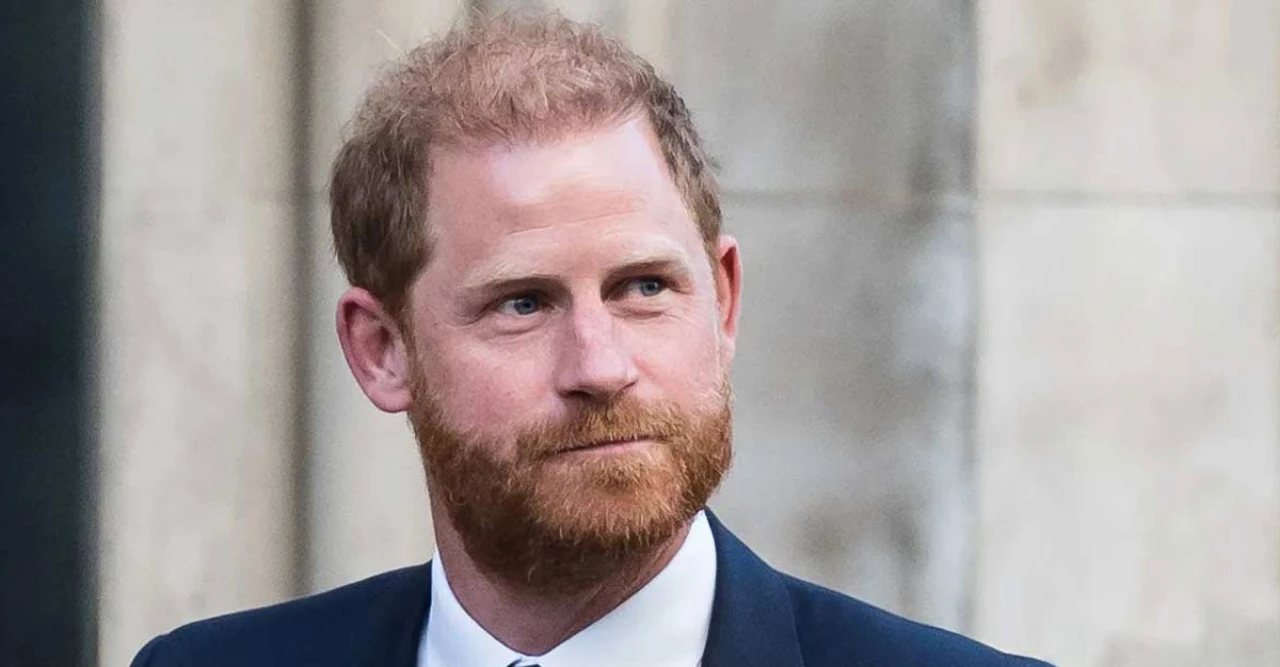
Prince Harry has faced another significant setback in his long-running effort to secure automatic taxpayer-funded protection for himself and his family during visits to the United Kingdom. The recent court ruling has intensified concerns among those close to him about the emotional toll of his ongoing vigilance.
The Duke of Sussex lost his appeal in May 2025 at the Court of Appeal, where judges upheld the decision to provide security on a case-by-case basis rather than granting him the full, automatic protection he once received as a working royal. This outcome stems from arrangements made after he and Meghan Markle stepped back from senior royal duties in 2020 and relocated to California.
Friends and insiders describe Harry as deeply affected by the latest development. They say it has reinforced his perception of persistent risks, contributing to a lifestyle increasingly shaped by caution and detailed safety protocols. Reports suggest his daily routines now include thorough checks of accommodations for surveillance devices and careful management of communications.
Harry maintains a small circle of trusted individuals who know his whereabouts. He has reportedly used measures such as decoy vehicles on certain trips and frequently changes contact numbers to limit exposure. While such steps reflect legitimate worries for a high-profile public figure, some associates worry they have evolved into a dominating focus.
The 41-year-old prince has cited multiple threats over the years, including past incidents involving paparazzi pursuits, online harassment, and reported concerns from intelligence assessments. His legal team previously emphasized that his safety and that of his wife and two young children—Prince Archie and Princess Lilibet—remains a top priority.
This security battle forms part of a broader pattern of challenges since Harry and Meghan began their new chapter in the United States. The couple has built lives centered on philanthropic work, media projects, and Harry's Invictus Games foundation, which supports wounded veterans and service members. Yet tensions with the royal family and intense public scrutiny have persisted.
The Court of Appeal judges acknowledged Harry's sincere feelings of unfair treatment but determined that the government's process for adjusting his protection level was lawful. As a non-working royal living abroad, he no longer qualifies for the same automatic arrangements provided to senior members of the institution. Protection can still be requested and approved for specific visits, but it is not guaranteed.
Observers note that Harry's concerns are understandable given his upbringing under constant royal security and documented risks faced by public figures. However, prolonged hypervigilance can strain personal well-being and relationships. Close associates express hope that he finds a sustainable balance that allows greater peace while protecting his loved ones.
Recent reports indicate ongoing discussions around potential UK visits, including family trips that could involve introducing his children to relatives. Such plans often hinge on suitable security provisions, highlighting the practical complexities involved.
Harry has publicly expressed devastation over the ruling and its implications for family reconciliation. He continues advocating for what he views as fair treatment, emphasizing the unique position of his family.
In California, the Sussexes have focused on community initiatives, children's education, and Harry's continued involvement in mental health awareness—drawing from his own experiences with grief and adjustment. Supporters praise his resilience and dedication to causes like veteran support, while critics question the intensity of his security demands.
The situation underscores broader questions about security for former royals and the balance between public duty, personal safety, and private life. As Harry navigates these challenges, the hope among many remains that he can move forward with reduced anxiety and strengthened family ties on both sides of the Atlantic.
Ultimately, the prince's path reflects the difficult transition from royal life to independence. While the court decision closes one chapter in his legal efforts, his commitment to family safety endures amid evolving circumstances. Friends continue to wish for calmer times ahead, where security supports rather than overshadows everyday joys and opportunities.