
Huma Qureshi Criticizes Bollywood Patriarchy for Hyper-Sexualizing Female Villains
NBS News Desk | প্রকাশিত: ০৯ জুলাই, ২০২৬, ১১:০০ এএম
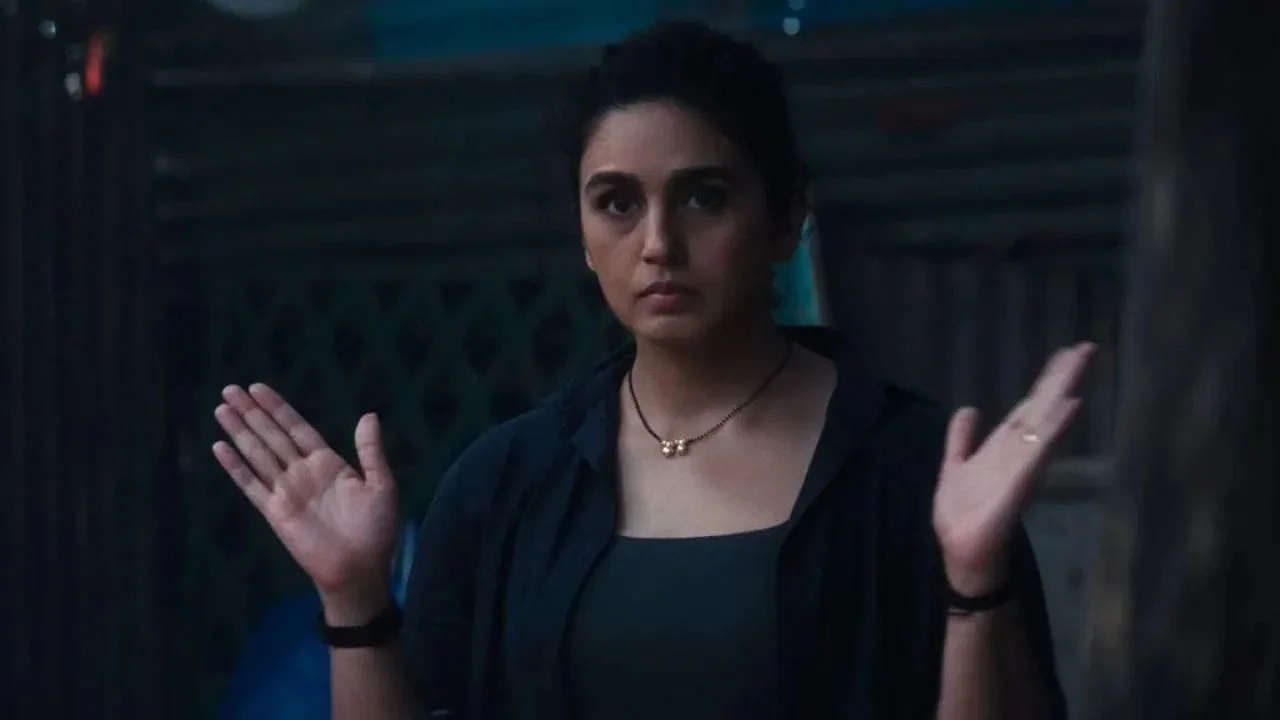
Bollywood actress Huma Qureshi has openly criticized the industry's patriarchal mindset, particularly targeting the portrayal of female villains. According to TV9 Bangla, she questions why women killers in action films are always shown in tight, highly sexualized outfits, insisting this trend needs to change.
Huma, who recently starred in the dark comedy thriller Baby Do Die Do, plays a deaf-mute contract killer named Baby—an unconventional character in Bollywood's familiar glamorous villain mold. Unlike typical portrayals, Baby appears as an ordinary Indian woman whose dangerous nature contrasts sharply with her unassuming appearance.
In an interview with the news agency PTI, Huma explained, "Baby looks like a very ordinary woman, yet she is a deadly killer. This contrast makes the story compelling. We aimed to create a character close to reality, someone you wouldn’t even notice on a crowded Mumbai local train."
Huma sharply criticized how female assassins are typically depicted in Bollywood films, pointing out the industry's tendency to glamorize them with revealing, body-hugging clothing to emphasize their sexuality. She argues this hyper-sexualization is unnecessary and stems from a deeply entrenched patriarchal viewpoint, implying that women cannot be seen as powerful or dangerous unless their sexuality is exaggerated.
She insists this pattern of representation must end. Through her role in Baby Do Die Do, Huma wants to demonstrate that a woman can be terrifying and strong even when dressed plainly. While optimistic about some recent positive changes in scriptwriting, she believes a deeper shift in writers' mindsets is still essential. Huma calls for directors to break away from the usual glamorous stereotypes and create more realistic, complex female characters, especially in the digital age where storytelling possibilities are expanding.
Why this matters
Huma Qureshi's critique highlights a persistent issue in Bollywood: the limited and sexualized portrayal of women, especially in roles of power or danger. Challenging these stereotypes is crucial for more authentic and diverse female representation on screen. As audiences increasingly demand nuanced storytelling, such conversations could push the industry toward meaningful change.
In sum, Huma Qureshi's candid remarks shed light on the ongoing struggle against patriarchal norms in Bollywood, advocating for stronger, more realistic portrayals of women without relying on sexualization.