
New Iran-US Conflict Shuts Strait of Hormuz, Raising LPG Supply Concerns in India
NBS News Desk | প্রকাশিত: ১৩ জুলাই, ২০২৬, ০৮:০০ এএম
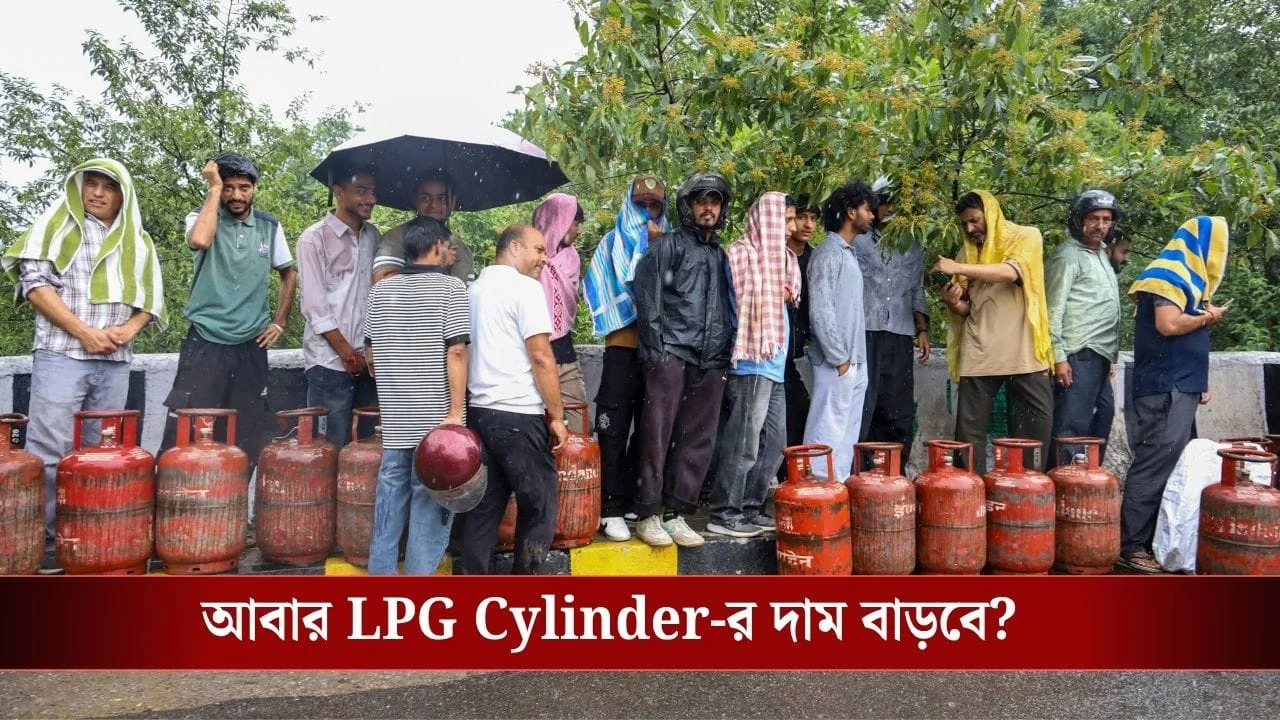
India faces renewed fears of an LPG and fuel supply crisis after Iran announced the closure of the Strait of Hormuz amidst escalating conflict with the United States. According to TV9 Bangla, this move has revived worries about disruptions to petroleum imports, which heavily rely on this critical shipping route.
On Sunday, Iran declared the closure of the Hormuz Strait following missile and drone attacks on multiple Middle Eastern countries in response to U.S. strikes. While the U.S. claims the strait remains open, the ongoing hostilities have made navigation through this vital corridor extremely risky. Given that over 70% of the world's oil and fuel passes through the Strait of Hormuz, the potential impact on global energy supplies is substantial.
India's energy security is particularly vulnerable as the country imports approximately 80% of its oil and gas requirements. However, sources indicate that despite the renewed Iran-U.S. tensions, India's crude oil imports have so far remained largely unaffected. Refinery operations continue with stable crude supplies, thanks to India's diversified import strategy.
India sources crude oil not only from the Middle East but also from Russia, Saudi Arabia, the United Arab Emirates, and Latin American countries like Venezuela. In June, India imported about 4.93 million barrels of crude oil daily, with nearly 2.7 million barrels coming from Russia alone. This diversified portfolio helps mitigate risks associated with regional conflicts.
During previous Iran-U.S. conflicts, India experienced an LPG shortage as panic buying surged. The government had to tighten distribution rules, increasing the gap between bookings for LPG cylinders. While the current LPG supply crisis has eased, the closure of the Hormuz Strait has reignited concerns about LPG and LNG availability, since alternatives to this route are extremely limited.
Any disruption in Middle Eastern shipping lanes could also strain India's gas reserves, highlighting the fragility of supply chains dependent on this strategic maritime pathway.
Why this matters
The Strait of Hormuz is a lifeline for global energy trade, and its closure threatens to destabilize fuel supplies worldwide. For India, a country heavily dependent on imports for its energy needs, the stakes are high. Ensuring diversified import sources and stable supply routes is crucial to maintaining energy security and preventing price hikes that could impact millions.
This ongoing geopolitical tension underscores the vulnerability of critical maritime chokepoints and the importance of strategic planning in energy procurement.