


The diet industry has a long, troubled history of convincing people that weight loss requires suffering—tiny portions, bland meals, and the constant gnaw of hunger. But a fundamental shift is occurring, backed by a growing body of clinical research. The secret to sustainable weight loss isn't eating less food; it's eating the right foods, in satisfying volumes, that work with your biology rather than against it. This means the best foods for weight loss aren't found in a pill or a proprietary meal plan—they are the whole, unprocessed, nutrient-dense foods that humans have thrived on for millennia.
The Volume Equation: Eating More to Weigh Less
One of the most powerful, scientifically validated concepts in weight management is volume eating. This isn't a fad diet; it's a strategy grounded in the biology of satiety. The idea is simple: prioritize foods with a low calorie density—meaning they have few calories per gram of food—which allows you to eat a large, satisfying portion without exceeding your energy needs .
Foods rich in water and fiber, such as vegetables, fruits, and legumes, take up considerable space in your stomach. This physical distension sends signals to your brain that you are full, effectively turning off hunger cues before you've consumed too many calories . In contrast, calorie-dense foods like oils, cheeses, and processed snacks are easy to overeat; a small drizzle of olive oil (calorie density of 8.8 kcal/g) contains roughly the same calories as a whole bowl of cucumbers (calorie density of 0.15 kcal/g) .

This principle explains why focusing on high-volume foods is a game-changer for fat loss. By filling your plate with low-calorie-dense options, you naturally reduce your calorie intake while still feeling full and satisfied.
Protein's Critical Role: Beyond the Scale
While volume eating provides the physical sensation of fullness, protein is a biological powerhouse that supports weight loss from the inside out. Research has repeatedly shown that a higher proportional intake of protein is associated with reduced overall energy intake .
Why is this the case?
-
Increased Thermic Effect: Your body burns more calories digesting and metabolizing protein than it does carbohydrates or fats. This process, known as diet-induced thermogenesis, gives your metabolism a slight but meaningful boost .
-
Enhanced Satiety: Protein is incredibly effective at curbing hunger. It influences appetite-regulating hormones, helping you feel fuller for longer and reducing the urge to snack .
-
Muscle Preservation: During weight loss, the goal is to lose fat, not muscle. Adequate protein intake, combined with physical activity, helps preserve lean muscle mass, which is crucial for maintaining a healthy metabolic rate .
This is why a meal of grilled chicken or baked fish, paired with a large portion of non-starchy vegetables, is a gold standard for a weight-loss-friendly meal. The protein supports muscle and satiety, while the vegetables provide volume and vital nutrients.
The Processing Factor: A Key Distinction
Emerging evidence highlights that how a food is processed may be just as important as its macronutrient profile. A 2025 clinical trial published in Nature Medicine compared the effects of nutritionally matched diets—one consisting of minimally processed foods (MPF) and the other of ultra-processed foods (UPF). Both diets followed the same official nutritional guidelines, yet participants lost nearly twice as much weight on the MPF diet .
The study found that the effect was significant, corresponding to a calorie deficit of 290 calories per day on the MPF diet compared to just 120 calories on the UPF diet, without participants actively trying to restrict their intake . Additionally, those on the MPF diet reported significantly greater control over food cravings .
This underscores a crucial point: not all calories are created equal. Ultra-processed foods, even when formulated to have a "healthy" nutritional profile, may disrupt hunger signals and metabolic function in ways that whole foods do not .
Your Definitive Guide to the Best Foods
To build a sustainable eating plan, focus on incorporating these evidence-based categories into your daily routine.
1. Non-Starchy Vegetables and Fruits
These are the cornerstone of volume eating. They are packed with water, fiber, vitamins, and antioxidants, making them incredibly low in calorie density .
-
Actionable Tip: Make it a goal to fill half of your plate with vegetables at lunch and dinner. For snacks, reach for whole fruits like apples, berries, or an orange .
2. Lean Proteins
Essential for satiety and muscle maintenance. Prioritize high-quality, minimally processed sources.
-
Best Choices: Skinless chicken breast, fish (especially fatty fish like salmon for omega-3s), eggs, legumes (lentils, chickpeas, beans), and Greek yogurt .
3. Whole Grains
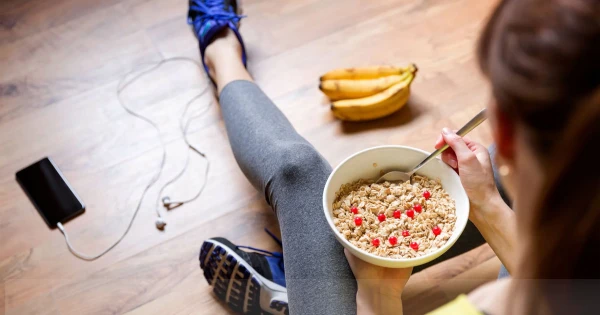
Unlike their refined counterparts, intact whole grains like quinoa, brown rice, and oats are rich in fiber. This slows digestion, providing steady energy and promoting fullness .
-
Actionable Tip: Swap white rice for quinoa or choose whole-rolled oats for breakfast instead of sugary cereals.
4. Nuts and Seeds
Although they are calorie-dense, they are also packed with healthy fats, protein, and fiber. A small handful can be a powerful tool for satiety and metabolic health .
-
Actionable Tip: A one-ounce serving (roughly a handful) of almonds or walnuts makes an excellent snack to replace an ultra-processed option .
Conclusion: The Strategy for Lifelong Success
The landscape of weight loss science has evolved. The "best foods for weight loss" are no longer defined by marketing gimmicks or extreme restriction, but by how they interact with our biology. The most effective and sustainable approach involves leveraging the science of calorie density and satiety. This means prioritizing whole, minimally processed foods that are high in water, fiber, and protein. This strategy allows you to eat satisfying portions, manage cravings, and fuel your body with the nutrients it needs without the constant battle against hunger. By focusing on these principles, weight loss transforms from a short-term struggle into a lifelong lifestyle of health and nourishment.