



The cost of food has become a significant concern for households worldwide. Families are constantly seeking effective methods to lower their weekly expenses. Grocery bills often represent one of the largest variable costs in a monthly budget. Many people feel overwhelmed by the rising prices at their local supermarkets.
Understanding the dynamics of food pricing is the first step toward saving money. Retailers employ complex strategies to influence consumer behavior and increase sales. These tactics often encourage shoppers to purchase items they do not need. Recognizing these marketing ploys empowers consumers to make wiser choices.
One of the most effective strategies involves meticulous planning before visiting the store. Creating a weekly meal plan helps shoppers buy only what they will consume. This approach reduces the temptation to purchase unnecessary impulse items. It also minimizes the chance of buying food that will eventually spoil.

Drafting a detailed shopping list is essential for maintaining focus in the store. Shoppers should organize their lists according to the store layout to save time. Sticking rigidly to the list prevents deviation into unplanned purchases. This simple habit can significantly reduce overall spending on groceries.
Technology offers numerous tools to assist consumers in saving money. Many supermarkets have mobile applications that provide exclusive digital coupons. Price comparison apps allow shoppers to find the best deals nearby. Using these technologies requires minimal effort but can yield substantial savings.
Buying in bulk is a classic strategy that remains effective for certain products. Non-perishable goods like rice, pasta, and canned vegetables are ideal candidates. However, consumers must be cautious when buying perishables in large quantities. Bulk buying only saves money if the food is consumed before it expires.
Store brands offer a viable alternative to expensive national labels. These generic products often have similar ingredients and quality standards. The price difference can be significant for staples like flour, sugar, and spices. Switching to store brands is an easy way to reduce costs without changing recipes.
Seasonal produce tends to be cheaper and fresher than out-of-season imports. Consumers should learn which fruits and vegetables are in season locally. Planning meals around seasonal ingredients reduces costs and supports local agriculture. This practice also introduces variety into the diet throughout the year.
Reducing food waste is intrinsically linked to saving money on groceries. Households waste a considerable amount of food each year due to poor planning. Leftovers can be repurposed into new meals to stretch the grocery budget further. Proper storage techniques can extend the shelf life of fresh produce.
Cashback apps and loyalty programs provide another avenue for savings. Many retailers offer rewards for frequent shoppers that accumulate over time. Cashback offers provide a percentage of the purchase price back to the consumer. These programs can add up to meaningful savings over the course of a year.
The psychological impact of hunger significantly affects spending decisions. Shopping while hungry often leads to increased purchases of high-calorie snacks. These items are rarely necessary and frequently exceed the planned budget. Eating a light snack before shopping helps maintain discipline during the trip.
Couponing remains a popular method for reducing grocery bills effectively. Consumers should only use coupons for products they actually intend to purchase. Coupons for unnecessary items end up costing money rather than saving it. Strategic coupon use involves combining manufacturer offers with store sales.
Understanding unit pricing is crucial for comparing different product sizes and brands. The unit price reveals the cost per ounce or pound of a product. This metric allows shoppers to identify the best value among various options. Larger packages generally have lower unit prices than smaller ones.
Shopping at discount grocery stores can lead to significant long-term savings. These retailers often have lower overhead costs than traditional supermarkets. They frequently offer products at reduced prices due to overstock situations. Consumers may find excellent deals on high-quality goods at these locations.
Frozen fruits and vegetables are excellent alternatives to fresh produce. They are often picked at peak ripeness and frozen immediately. This process locks in nutrients while extending shelf life considerably. Frozen options are typically cheaper and prevent spoilage-related waste.
Meal prepping is a proactive approach to managing food consumption and costs. Dedicating time to prepare meals in advance reduces reliance on convenience foods. Convenience foods are usually heavily processed and more expensive. Preparing meals at home is healthier and more economical for families.
Consumers should be wary of promotions that encourage bulk purchases of processed foods. These items often have high profit margins for retailers. The "deal" may not be as valuable as it appears at first glance. Shoppers should evaluate whether the discounted price is truly a bargain.
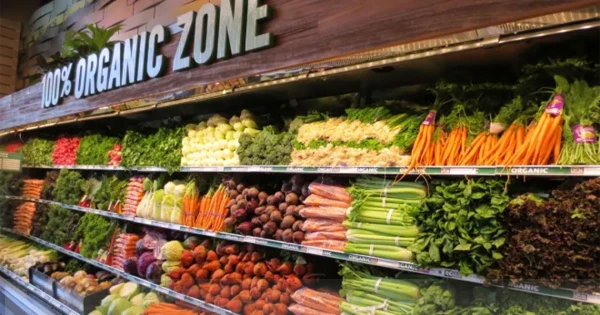
Organic food prices are generally higher than conventionally grown alternatives. Consumers should prioritize buying organic for produce with edible skins. Items like avocados and onions have thick skins that offer protection. For other produce, conventional options are perfectly safe and more affordable.
Managing inventory at home is vital for avoiding duplicate purchases. Taking stock of what is already in the pantry prevents waste. Many households buy the same item twice because they forget they have it. Regular inventory checks streamline shopping and prevent excess spending.
Price matching policies at certain stores allow consumers to get the best deal. Some retailers will match prices advertised by their competitors. This practice saves shoppers from visiting multiple stores for various items. However, it requires bringing the competitor's advertisement to the checkout.
Water and other beverages constitute a significant portion of grocery bills. Sodas and bottled water are particularly expensive compared to tap water. Investing in a water filter can be a cost-effective alternative. Making drinks at home saves money and reduces plastic waste.
Canned beans and legumes are affordable sources of plant-based protein. They are versatile ingredients that can replace meat in many recipes. Reducing meat consumption even one day a week lowers grocery costs. These substitutes are also beneficial for health and environmental sustainability.
Grocery delivery services add convenience but also add significant costs. Delivery fees and service charges can increase the final bill considerably. In-store shopping allows consumers to pick the best produce and discounted items. Visiting the store provides better control over product selection and price.
Imperfect produce programs offer deep discounts on oddly shaped fruits and vegetables. These items are perfectly edible but do not meet cosmetic standards. Buying them reduces food waste and saves money on groceries. Many major retailers now offer these "ugly" produce options in stores.
Planning shopping trips for the end of the day may yield markdowns. Perishable items nearing their sell-by dates are often heavily discounted. These items can be used immediately or frozen for future use. Timing shopping trips strategically can lead to excellent savings opportunities.
Remaining flexible with brands and products allows for better deal hunting. Sticking rigidly to specific brands limits the ability to save money. Consumers should be willing to try different products that are on sale. This flexibility often leads to discovering acceptable alternatives at lower prices.
Social media and coupon websites are useful resources for finding deals. Many brands release exclusive discounts through their online platforms. Following favorite brands on social media may provide early access to sales. These digital resources require minimal time to check for potential savings.
Cooking in bulk and freezing portions is an efficient money-saving strategy. Large batches of soups and casseroles can be portioned for multiple meals. This method reduces the frequency of shopping trips and cooking efforts. It also provides quick meals for busy days when takeout seems tempting.
Being mindful of check-out lane placements helps avoid last-minute impulse buys. Items placed near the register are often high-margin convenience goods. They are designed to catch the eye of shoppers while they wait. Avoiding these displays saves money and prevents unnecessary sugar consumption.
Ultimately, consistent application of these strategies yields substantial financial savings. Reducing grocery costs requires discipline and a willingness to change habits. The effort involved in planning and preparation is rewarding in the long run. Consumers who adopt these practices enjoy lower bills and less food waste.
The financial relief from lower grocery costs can be allocated to other priorities. Families can use these savings for educational opportunities or leisure activities. Reducing everyday expenses is a direct way to improve overall financial health. The impact of smart grocery shopping extends far beyond the kitchen.