


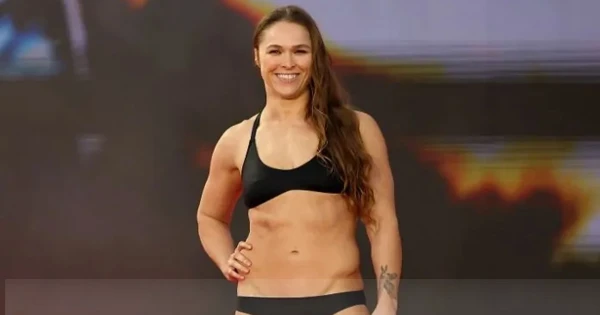
Former UFC women's bantamweight champion and Hall of Famer Ronda Rousey has reignited her public feud with UFC leadership following the release of competing viewership numbers between her recent Netflix bout and the promotion's White House card on Paramount+.
Both events generated significant audience interest, with promoters announcing viewership figures of approximately 17 million. However, industry observers note that the methodology behind these numbers differs substantially between the two platforms.
The UFC's reported viewership for their Sunday card encompasses audiences across Latin America and the United States. International territories accessed the event through pay-per-view or alternative broadcast arrangements, meaning final global totals may remain unclear for days or even weeks.

Netflix's reported numbers for Rousey's event represent global viewership across all territories where the card aired. The streaming giant maintains a subscriber base exceeding 300 million worldwide, vastly outpacing Paramount+'s approximately 79 million domestic subscribers.
The UFC's disclosed figures represent total viewership rather than average audience. In the United States alone, the promotion's card averaged 7 million viewers, falling short of Rousey's bout against Gina Carano, which drew 9.3 million average stateside viewers.
Rousey responded to the comparison with characteristic bluntness, taking aim at UFC Chief Business Officer Hunter Campbell on social media. "Lmao! Kiss my ass Hunter Campbell," she wrote in response to a Complex article highlighting the viewership disparity.
Despite maintaining what appears to be a cordial relationship with UFC President and CEO Dana White, Rousey has directed sharp criticism toward Campbell and the promotion's business decisions regarding her return to competition.
The friction stems from the UFC's decision to transition away from pay-per-view in the United States following their partnership with Paramount+. This shift fundamentally altered Rousey's compensation structure for a proposed bout with Carano, as her agreement relied heavily on pay-per-view points and bonus incentives tied to event sales.
Rousey has been particularly vocal about Campbell's handling of negotiations, describing his approach as dismissive and disrespectful toward both fighters. She characterized his comments about their planned weight class and ages as emblematic of a broader pattern of undervaluation.
"He was just being such a chauvinist prick, and he was being so dismissive," Rousey stated in earlier comments about Campbell's negotiation tactics. "Just trying to get me and Gina to value ourselves less from the get-go, and acting like this isn't the greatest thing that's fallen into his lap since he's been there."
Rousey questioned Campbell's qualifications for his position, noting his prior role as an intern with the organization. "This guy does not have a job because he's good at it. He has a job because he's Dana and Lorenzo's lawyer's son," she said. "And now he's f---ing coming up to me saying, 'I don't know how you and Gina are going to do.' Motherf---er, I'm gonna put on a bigger fight with Gina than you have your entire f---ing career."
The UFC ultimately rescinded its initial offer to Rousey for the Carano fight following the Paramount+ deal. The bout subsequently landed on Netflix, where it achieved notable viewership success.
Rousey's criticism of Campbell represents the latest chapter in a complicated relationship between the former champion and the organization that helped launch her to mainstream stardom. Her tenure with the UFC included multiple record-setting performances and established her as one of the sport's most recognizable figures.
The broader context of these viewership numbers reflects the rapidly evolving landscape of combat sports broadcasting. Traditional pay-per-view models are increasingly giving way to streaming partnerships as major platforms compete for premium live sports content.
Netflix's entry into live combat sports broadcasting represents a significant development for the industry, offering substantial reach through its massive subscriber base. Paramount+'s acquisition of UFC rights similarly demonstrates the growing appetite among streaming services for established sports properties.
The financial implications of these distribution models extend beyond simple viewership comparisons. Revenue structures differ considerably between pay-per-view, subscription-based streaming, and traditional broadcast arrangements, affecting everything from fighter compensation to promotional strategies.
The UFC has not publicly responded to Rousey's latest comments regarding Campbell or the viewership comparisons. The promotion's executives have historically maintained that their business decisions prioritize long-term growth and sustainability over individual event performance.
While Rousey has celebrated her viewership victory, industry analysts note that the UFC's global numbers for their White House card remain incomplete and could potentially surpass her event's total once all territories report final figures.
The ongoing dispute highlights the tension between athletes seeking maximum compensation and organizations navigating complex distribution decisions in an increasingly fragmented media environment. For Rousey, who helped elevate women's MMA to unprecedented heights during her championship reign, the viewership comparison serves as validation of her continued drawing power.
Rousey and Carano's Netflix bout represented a significant moment for women's combat sports, bringing together two pioneers who helped legitimize female competition in MMA. The event's success suggests continued appetite for high-profile matchups featuring established stars, even as the sport's next generation emerges.
The viewership debate underscores the challenges of comparing audience metrics across different platforms and distribution models. Streaming services with larger subscriber bases naturally offer greater potential reach, while traditional sports broadcasts may have more established audience measurement methodologies.
For fans and industry observers, the numbers reflect the ongoing transformation of how audiences consume combat sports content. The migration toward streaming platforms continues to reshape revenue models and viewing habits across the sports entertainment landscape.
Rousey's willingness to engage publicly with UFC executives demonstrates her enduring investment in the sport's business dynamics, even as her competitive career has evolved. Her social media commentary has consistently drawn attention to issues of fighter compensation and organizational transparency.
The former champion's influence extends beyond her in-ring accomplishments, as she has become an outspoken advocate for athlete rights and equitable treatment within the sport. Her criticisms of Campbell reflect broader conversations about how organizations value and compensate talent.
As viewership metrics become increasingly central to evaluating event success, the methodologies used to calculate audience numbers will likely face greater scrutiny from fighters, promoters, and media alike.
The UFC's continued growth depends on navigating these challenges while maintaining positive relationships with its athlete roster. Promotional disputes involving high-profile former champions can generate negative publicity and distract from the organization's core business priorities.
For now, Rousey appears satisfied with her position, using the viewership comparison as ammunition against an executive she believes undervalued her contributions to the sport. Whether the UFC will respond or address her criticisms remains to be seen.
The streaming wars have created new opportunities and challenges for combat sports promoters, who must balance reach, revenue, and athlete satisfaction in an increasingly competitive marketplace. These dynamics will likely shape the industry's future direction as more events move to digital platforms.
Rousey's successful Netflix event and the UFC's Paramount+ venture represent different approaches to this evolving landscape, each with distinct advantages and limitations. The viewership debate may ultimately prove less important than the broader strategic questions these platforms raise for the sport's long-term development.