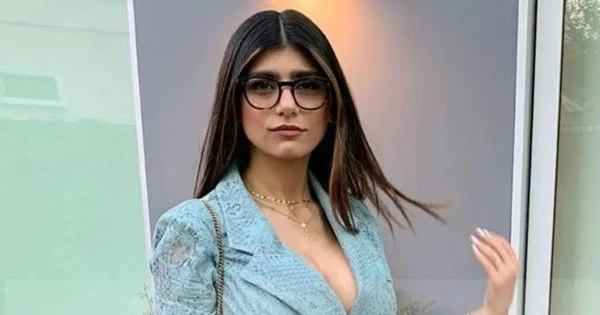
Mia Khalifa’s life today is markedly different from the turmoil that thrust her into global headlines nearly a decade ago. Her daily routine is calm: morning coffee, afternoons designing jewelry or collaborating in creative studios, and early evenings reserved for rest. That peace, she says, was hard-won after a series of abrupt and public upheavals that reshaped her career and public identity.
In January 2015, at age 22, Khalifa briefly appeared in an adult film that featured her wearing a hijab. The video went viral almost immediately, making her one of the most-searched names on adult platforms and igniting intense public debate. The fallout was severe: her image became the subject of international headlines, she received death threats, and she faced harassment in public. Within months she left the adult industry and sought to rebuild a life outside the glare of that moment.
Khalifa’s own records of that period read like a chronology of survival. She describes quitting porn just months after the video’s release and taking a paralegal job to try to disappear from public view. She moved into a small, difficult living situation far from family support and endured toxic relationships. Those early years after the viral episode were defined by loss — of privacy, of safety, and of a sense of self. The experience left long-lasting scars but also catalyzed an extended process of reinvention.
Selena Gomez Breaks Silence After VMAs Reaction Sparks Meme Frenzy: 'I Will Never Be a Meme Again'


Over the past decade, Khalifa has remade herself multiple times. She built a large social media following, moved into modeling and fashion collaborations, launched a jewelry line, and positioned herself as an outspoken online personality. Her social presence, especially on short-form video platforms, now reaches tens of millions of followers. She has used that audience to draw attention to humanitarian and political issues, from fundraising for Beirut blast victims to speaking publicly about corruption and human rights concerns in several countries.
Financially and legally, Khalifa’s story underscores the power imbalances that can follow sudden online fame. The adult film that propelled her to notoriety generated substantial revenue for the hosting platforms and production companies, while Khalifa has said she received a relatively small payment and was excluded from ongoing royalties. That disparity has become a focal point in broader conversations about consent, contracts, and the rights of performers in the digital economy.

Khalifa has also confronted ongoing threats and abuse tied to her past. She continues to receive misogynistic and violent messages, and she says much of the vitriol remains gendered and rooted in cultural stigmas. At the same time, she notes that some criticism comes from women who express moral outrage — a reaction she links to internalized misogyny and a desire to find a scapegoat rather than challenge systemic issues.
Her evolution includes a wide-ranging public voice that blends advocacy, humor, and frank reflections on mental health. Khalifa has been candid about her own struggles with depression, therapy, and a diagnosis of a dissociative disorder. She credits forms of psychotherapy, including EMDR, and carefully supervised use of psychedelics in therapeutic contexts, with helping her process trauma and integrate difficult memories. Those admissions have contributed to ongoing public conversations about mental health care access, the complexity of trauma treatment, and the growing but still experimental role of psychedelic-assisted therapy.
Personal growth has also shaped Khalifa’s views on relationships and identity. She has been married and divorced twice and speaks openly about leaving relationships that were unhealthy. Her perspective on womanhood and autonomy frequently appears in her content, urging followers to prioritize personal boundaries and wellbeing. Khalifa traces some of her early coping strategies—sharp humor and cultural performativity—to experiences of bullying and cultural othering after moving to the United States as a child. She has described how assimilation pressures once led her to suppress elements of her Lebanese heritage; in recent years she has worked deliberately to reclaim and preserve that cultural identity.
Khalifa’s public stances on geopolitical issues have sometimes generated further controversy. In late 2023, posts expressing strong support for Palestinian liberation and characterizing fighters in the conflict in terms that many found inflammatory led to the loss of commercial partnerships. She says her comments were informed by personal and family experiences of conflict in Lebanon and a longer history of speaking about political issues. Those remarks triggered a debate about contextualization, platform responsibility, and the commercial risks public figures face when they weigh in on highly polarized international events.
Professionally, Khalifa has parlayed notoriety into several creative and commercial ventures. She has modeled for established brands, participated in runway shows, and released original work through her jewelry label. She also maintains a presence across multiple social platforms, where she produces content that ranges from lifestyle and fashion to political commentary and mental health advocacy. Her fundraising for Beirut blast relief demonstrated her ability to mobilize attention and convert online visibility into tangible humanitarian support.
Khalifa’s story highlights how internet fame, particularly when it arrives suddenly and through controversial circumstances, can create long-term consequences that extend far beyond a single moment. Her experiences reflect broader conversations about online labor rights, the responsibilities of platforms and producers, mental-health supports for public figures, and the complicated ways identity and stigma intersect in digital spaces.
Today, Khalifa presents a public image rooted in self-reinvention and resilience. She frames her journey as an ongoing process of shedding roles that no longer serve her and embracing new creative, entrepreneurial, and advocacy-driven chapters. Despite continued harassment and the commercial afterlife of the viral video, she has built multiple platforms for expression and activism, illustrating the complex mix of vulnerability, agency, and influence that defines many modern internet-born careers.