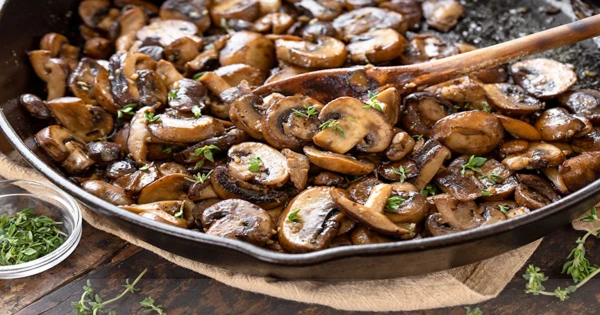
Sautéed mushrooms are one of the simplest ways to turn an everyday ingredient into a rich, savory side dish or topping. When cooked properly, mushrooms develop a deep brown color, a meaty texture, and a concentrated flavor that works well with steak, chicken, pasta, eggs, toast, and grain bowls.
The key to great sautéed mushrooms is understanding how they cook. Mushrooms contain a high amount of water, which means they can turn soggy if the pan is crowded or the heat is too low. The goal is to cook off that moisture first, then let the mushrooms brown evenly in the pan.
For the best results, choose firm mushrooms with clean caps and no slimy spots. White button mushrooms, cremini mushrooms, and baby bella mushrooms are among the most common options because they hold their shape well and absorb seasoning easily. Sliced mushrooms cook faster, while whole smaller mushrooms can offer a firmer bite and a more rustic presentation.

Before cooking, it is best to clean mushrooms gently with a damp cloth or a soft brush instead of soaking them in water. Because mushrooms absorb liquid quickly, too much moisture can interfere with browning. Trimming the stems, if needed, and cutting the mushrooms into even pieces also helps them cook at the same rate.
A wide skillet is important because mushrooms need space to release moisture and sear properly. Heat the pan over medium to medium-high heat, then add butter, oil, or a combination of both. Butter adds flavor, while oil helps prevent burning, especially during longer cooking.
Once the fat is hot, add the mushrooms in a single layer if possible. If the pan is overloaded, the mushrooms will steam instead of sauté. Stir them occasionally, but not constantly, so they have time to develop color. At first, they may shrink and release liquid, which is a normal part of the process.
As the moisture evaporates, the mushrooms begin to brown. This is when their flavor becomes more intense and savory. A pinch of salt can help draw out liquid early, but some cooks prefer adding it later to preserve browning. Either approach can work as long as the pan stays hot and the mushrooms have enough room.
Garlic, onions, thyme, black pepper, and parsley are popular additions that complement the earthy flavor of mushrooms. These ingredients are usually added toward the end of cooking so they do not burn. A splash of white wine, broth, or soy sauce can also add extra depth and create a simple pan sauce.
Cooking time depends on the size and type of mushroom, but most sautéed mushrooms are done in about 8 to 12 minutes. They should be tender, browned, and glossy, with most of their liquid cooked away. Overcooking can make them dry, while undercooking can leave them rubbery and bland.
Sautéed mushrooms can be served immediately or used in other dishes throughout the week. They pair well with breakfast plates, burgers, risotto, rice bowls, baked potatoes, and sandwiches. They also work as a vegetarian main when served over polenta, pasta, or toast with herbs and cheese.
For home cooks, learning how to sauté mushrooms well can make a noticeable difference in everyday meals. The technique is straightforward, but a few small details, including heat, pan space, and timing, determine whether the mushrooms turn out soft and watery or rich and deeply browned.