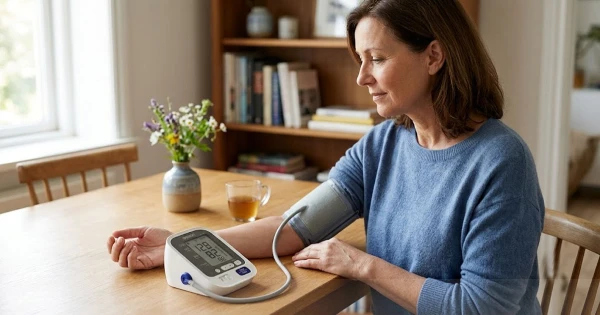
High blood pressure affects millions of adults in the United States, and one of the most useful tools for managing it is a reliable home monitor. The challenge is that not every device is equally accurate, easy to use, or worth the money, which is why choosing the best blood pressure monitor matters for everyday health decisions.
Why This Topic Matters
Home monitoring is important because blood pressure can change throughout the day and in different settings. Some people get higher readings in a clinic, while others may not notice a problem until a routine checkup catches it, so a good home device can help people track trends more consistently.
That matters for adults managing diagnosed hypertension, people with diabetes or kidney disease, older adults, and anyone trying to prevent future heart problems. A dependable monitor can also make it easier to share readings with a clinician and spot patterns that need attention.

What A Blood Pressure Monitor Does
A blood pressure monitor measures the force of blood against artery walls using a cuff that inflates around the arm or wrist. For most home users, an automatic upper-arm monitor is the most practical option because it is easier to use correctly and is generally preferred for routine tracking.
Most modern devices also show pulse rate, store past readings, and may connect to an app. Some newer models add extras like irregular heartbeat alerts, large displays, or Bluetooth syncing for doctor visits and long-term trend tracking.
What Makes The Best Monitor
The best blood pressure monitor is not always the most expensive one. In current reviews, top picks often stand out for accuracy, cuff fit, clear screens, simple setup, and easy data tracking rather than flashy features.
Look for these qualities:
-
Clinically validated accuracy.
-
Upper-arm design for most adults.
-
A cuff that fits your arm size properly.
-
Large, easy-to-read numbers.
-
Memory storage for past readings.
-
Simple one-button operation.
-
App syncing only if you will actually use it.
-
A model recommended by trusted reviewers or health organizations.
Upper Arm Vs Wrist
For most people, an upper-arm monitor is the safer choice because it is usually more dependable when used correctly. Wrist monitors can be useful for travel or convenience, but they are more sensitive to arm position and technique, which can affect accuracy.
If you do choose a wrist device, follow the instructions carefully and keep the wrist at heart level. For home monitoring that supports treatment decisions, many experts and product testers still favor upper-arm models first.
Why Accuracy Matters
Accuracy is the most important feature because even small errors can lead to poor decisions about medicine, diet, or when to call a doctor. Reviews of the best devices consistently place accuracy near the top of the list, and the most trusted monitors are those tested for reliable readings across repeated checks.
To improve accuracy at home:
-
Sit quietly for at least five minutes before measuring.
-
Keep both feet flat on the floor.
-
Rest your arm on a table at heart level.
-
Avoid caffeine, smoking, and exercise right before testing.
-
Take readings at the same time each day.
-
Use the same arm unless a clinician advises otherwise.
Latest Insights From Reviews
Recent 2026 roundups from consumer health reviewers point to a few consistent trends. Models such as the A&D Medical Premium Multi-User, Omron 3 Series, Oxiline Pressure XS Pro, and CONNEQT Pulse are repeatedly highlighted for strong accuracy, easy use, and useful tracking features.
The main takeaway is simple: the best monitor for many buyers is the one that combines verified accuracy with a cuff that fits well and a display you can read without strain. Smart features can help, but only if they make monitoring easier rather than more confusing.
Who Should Use One
A home blood pressure monitor can be especially helpful for:
-
Adults already diagnosed with hypertension.
-
People starting or adjusting blood pressure treatment.
-
Older adults who want to track readings more closely.
-
People with diabetes, kidney disease, or heart disease risk factors.
-
Anyone told by a clinician to monitor at home.
It is also useful for people who want a better picture of their baseline health. Even if your blood pressure is not currently high, regular home checks can help you and your doctor notice changes earlier.
How To Choose
Choosing the right device becomes easier when you focus on the basics first. Cuff size should match your arm, because a cuff that is too small or too large can distort readings.
Use this checklist:
-
Choose an upper-arm monitor if possible.
-
Check that the cuff fits your arm circumference.
-
Pick a model with a clear, backlit screen if you have vision concerns.
-
Decide whether app syncing is helpful or unnecessary.
-
Look for memory storage if you want to track trends.
-
Prefer a device with easy-to-follow instructions.
-
Check return policies and warranty coverage before buying.
Common Features Explained
Many shoppers get distracted by extra features without knowing what they do. Here is what some common terms usually mean:
-
Irregular heartbeat detection: Alerts you if the device notices a potentially unusual rhythm, but it does not replace a diagnosis.
-
Bluetooth connectivity: Sends readings to a phone app.
-
Multi-user memory: Lets more than one person store readings on the same device.
-
Average readings: Combines several measurements to reduce single-reading noise.
-
Color-coded display: Gives a quick visual hint about whether a reading is in a normal or high range.
These features can be helpful, but they do not matter as much as accurate measurement and proper use. A simpler monitor that works well is often better than a complicated one that sits unused.
How To Use It Correctly
Even the best device can give misleading results if it is used the wrong way. Proper technique is part of getting useful numbers at home.
Follow these steps:
-
Do not measure right after eating, exercising, or smoking.
-
Sit with your back supported and feet flat.
-
Keep your arm supported on a table.
-
Place the cuff on bare skin, not over clothing.
-
Take two readings one minute apart.
-
Record both results and the time of day.
If your readings are often high or inconsistent, compare your device with the one used at your doctor’s office. That can help confirm whether the monitor is working properly or whether your technique needs adjustment.
Lifestyle Habits That Help
A blood pressure monitor is only one part of heart health. Healthy habits can support better readings over time, especially for people already at risk.
Helpful habits include:
-
Eating more fruits, vegetables, beans, and whole grains.
-
Cutting back on sodium.
-
Staying physically active most days of the week.
-
Limiting alcohol.
-
Getting enough sleep.
-
Managing stress in practical ways.
-
Following your treatment plan if you take blood pressure medicine.
These habits do not replace medical care, but they can work alongside monitoring to give you and your clinician a clearer picture of what is happening.
Diet And Exercise
Diet and exercise are often part of blood pressure management because they affect weight, circulation, and heart strain. A heart-healthy eating pattern that emphasizes minimally processed foods is generally recommended by major health organizations, while regular physical activity can also help support healthier numbers over time.
Practical movement goals include walking, cycling, swimming, or other moderate activity most days of the week if your doctor says it is safe. The most sustainable plan is usually the one you can repeat consistently rather than a short burst of intense effort.
Potential Risks And Limits
Home monitors are useful, but they are not perfect. Wrong cuff size, poor posture, movement during the test, or a low-quality device can all lead to misleading readings.
Also, a monitor cannot tell you why your blood pressure is high. It can show a pattern, but it cannot diagnose the full cause on its own, and it should never replace medical care if you have symptoms like chest pain, severe headache, shortness of breath, or fainting.
Product Categories That May Help
For readers comparing options, these categories are the most practical:
-
Blood pressure monitors for home use.
-
Extra-large cuffs for broader arm sizes.
-
Bluetooth-enabled models for app tracking.
-
Basic upper-arm monitors for simple daily use.
-
Large-display models for seniors or people with vision challenges.
-
Storage cases for travel or routine organization.
The best buying strategy is to match the product to the user’s actual habits. Someone who checks blood pressure daily may benefit from app tracking, while someone who wants quick occasional readings may prefer a simple device with fewer features.
Myths Vs Facts
A few common myths still confuse shoppers. The first is that wrist monitors are always bad; the more accurate statement is that they can be less forgiving and require more careful positioning.
Another myth is that the most expensive monitor is always the best. In reality, current reviews often favor models that are accurate, comfortable, and easy to read, even when they cost less than premium smart devices.
When To Talk To A Doctor
You should speak with a healthcare professional if your home readings stay high, if they vary a lot, or if you are unsure whether your device is accurate. It is also wise to ask for help if you are newly diagnosed, changing medication, or have another condition that affects heart or kidney health.
Bring your readings to appointments when possible. A log of dates, times, and measurements is often more useful than a single number taken once in a while.
Conclusion
The best blood pressure monitor is the one that gives accurate readings, fits correctly, and is simple enough to use regularly. For most U.S. adults, that usually means a validated upper-arm device with a comfortable cuff and a clear display.
Start by choosing a monitor that matches your arm size and your routine, then use it the same way each time. If your numbers are consistently high or confusing, contact a healthcare professional for guidance rather than guessing.
FAQs
1. What is the best blood pressure monitor for home use?
Current 2026 reviews often favor upper-arm models such as A&D Medical Premium Multi-User, Omron 3 Series, and Oxiline Pressure XS Pro because they balance accuracy and ease of use.
2. Are upper-arm monitors better than wrist monitors?
For most adults, yes. Upper-arm monitors are generally more dependable and easier to use correctly, while wrist monitors require more careful positioning.
3. How do I know if a blood pressure monitor is accurate?
Look for clinically validated models, then compare readings with those taken at your clinician’s office if you are unsure.
4. How often should I check blood pressure at home?
That depends on your health situation and your clinician’s advice. Many people monitor at the same time each day to spot trends more clearly.
5. Does cuff size matter?
Yes. A cuff that does not fit properly can give incorrect readings, so matching the cuff to your arm size is essential.
6. Are smart blood pressure monitors worth it?
They can be helpful if you want app tracking, sharing, or trend graphs, but they are not necessary for everyone. Accuracy and comfort still matter more than connectivity.
7. Can I trust a cheap blood pressure monitor?
Sometimes, yes. Lower-cost models can still be useful if they are accurate, validated, and easy to use, which is why value-focused devices like the Omron 3 Series often get strong reviews.
8. When should I seek medical help for high readings?
If your readings stay elevated, change suddenly, or come with symptoms such as chest pain, severe headache, or shortness of breath, seek medical advice promptly.
Medical Disclaimer: This article is for informational and educational purposes only and should not be considered medical advice. It is not intended to diagnose, treat, cure, or prevent any disease. Always consult a qualified healthcare provider before making decisions about your health, medications, diet, or treatment.
Affiliate Disclosure: Some links in this article may be affiliate links. If you make a purchase through these links, we may earn a commission at no additional cost to you. This helps support our website and allows us to continue creating free content.