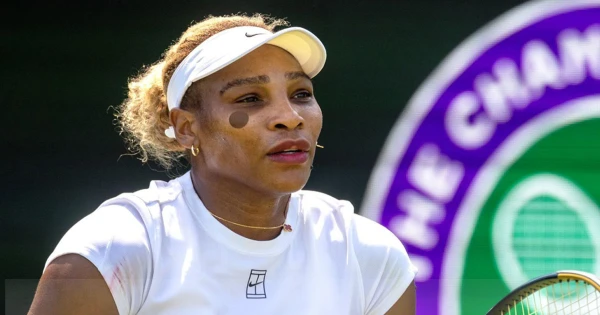
Serena Williams is stepping back onto the hallowed grass of Wimbledon in 2026, marking an emotional and highly anticipated comeback to singles competition after nearly four years away from the sport. The 23-time Grand Slam champion, now 44 years old, received a wildcard entry and will face 20-year-old Australian Maya Joint on Centre Court in her first major singles match since the 2022 U.S. Open.
This return highlights Williams' enduring legacy as one of tennis's greatest players. She has already reunited with her sister Venus Williams, 46, in doubles, adding another layer of family legacy to the tournament where they have combined for multiple titles. Williams' decision to compete in singles came down to the wire, reflecting her honest reflections about the challenges of re-entering elite competition at this stage of life.
For most people, age 40 often signals a shift away from peak physical performance. Daily routines bring subtle reminders of changing bodies, from minor aches to reduced recovery speed. Yet elite athletes like Williams demonstrate that with advanced training, smart recovery strategies, and mental resilience, high-level competition remains possible well into the 40s.
World Cup 'Has Been Sold Out,' Claims German Legend Philipp Lahm in Scathing Attack on FIFA

Williams' journey stands out in women's tennis. As the second-oldest woman to compete in Wimbledon's main draw in the Open Era, she joins a select group defying traditional age expectations. Her preparation included recent doubles matches, helping her build match fitness and rhythm ahead of this high-stakes singles return.
Other top athletes have similarly extended their careers through dedication and innovation. In soccer, players like Luka Modrić continue performing at the highest levels past 40 with refined tactics and conditioning. Formula One's Lewis Hamilton competes fiercely at 41, while athletes in endurance and combat sports show that experience can compensate for slight declines in raw speed or power.
Modern sports science plays a crucial role in these later-career successes. Tailored strength programs, nutrition plans, advanced recovery techniques, and data-driven training help manage the body's natural aging process. Mental preparation is equally important, as seasoned competitors often bring unmatched focus and strategic insight to the court or field.
Williams has spoken candidly about the unexpected pull back to competition, noting she had "evolved away" from tennis but found herself drawn to the challenge once more. Her presence at Wimbledon not only excites fans but also underscores the evolving nature of professional sports, where longevity is increasingly celebrated.
The tennis world watches closely as Williams begins this chapter. Whether she advances deep into the draw or uses the tournament to signal her ongoing commitment, her return inspires athletes of all ages to rethink limits. At 44, she continues to redefine what is possible, proving that passion and perseverance can extend elite careers in remarkable ways.
This Wimbledon appearance adds yet another compelling story to Williams' storied career, reminding audiences that greatness can endure far beyond conventional timelines.