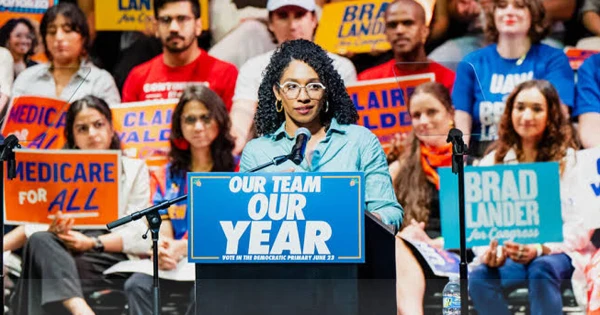
New York’s Democratic primaries on June 23 marked a notable turning point in American politics. Voters in several key races delivered strong support to progressive candidates who have been outspoken critics of certain aspects of U.S. policy toward Israel. These outcomes highlight growing influence within the Democratic Party from younger voters, progressive networks, and communities advocating for changes in Middle East policy.
The results extended beyond local contests. They reflected deeper conversations about U.S. foreign aid, human rights, and the role of grassroots organizing in challenging long-standing political norms. Candidates emphasizing economic justice, affordable housing, and a reevaluation of military assistance to Israel gained ground against more established figures.
For decades, strong bipartisan support for Israel defined much of U.S. foreign policy. Military aid, diplomatic backing, and shared strategic interests formed the foundation of the relationship. However, recent events, including the ongoing conflict in Gaza, have prompted more Democrats—particularly younger ones—to question the scale and conditions of that support.

In the primaries, several challengers prevailed. Brad Lander, a former New York City comptroller, defeated incumbent Congressman Dan Goldman in the 10th District. Goldman had been known as a firm defender of Israel. Lander’s campaign focused on progressive priorities and drew significant backing from grassroots efforts.
In the 13th District, Darializa Avila Chevalier, a community organizer and democratic socialist, unseated five-term incumbent Adriano Espaillat. Her victory underscored voter appetite for fresh voices addressing local needs alongside national issues. Claire Valdez also secured a win in an open seat race, advocating for a review of U.S. military aid policies.
These wins were bolstered by endorsements from New York City Mayor Zohran Mamdani, whose own rise as a progressive leader has energized the left wing of the party. Mamdani’s influence demonstrated how grassroots mobilization, digital outreach, and coalition-building can overcome traditional advantages like incumbency and financial support from established lobbying groups.
The involvement of Muslim and Arab American voters played a visible role. Long active in civic life, these communities have increasingly translated their engagement into electoral success. Palestinian American candidate Aber Kawas won a state Senate primary, showing that advocacy for Palestinian rights no longer carries the same political risk in certain districts.
This shift aligns with broader demographic changes. America’s immigrant communities continue to grow, bringing diverse perspectives into politics. Muslim and Arab Americans, many of whom have professional backgrounds in medicine, education, and public service, are running and winning at various levels.
In New Jersey, Egyptian American physician and military veteran Adam Hamawy secured a Democratic nomination for Congress by building support across ethnic and ideological lines. In California, State Senator Aisha Wahab won a competitive primary, further illustrating mainstream acceptance of Muslim candidates.
Michigan stands out with its large Arab American population. Dr. Abdul El-Sayed, a physician, former Detroit health director, and public health expert, is competing strongly in the U.S. Senate primary. His campaign emphasizes health care reform, economic fairness, and accountable governance, appealing to a wide coalition of voters.
These candidacies represent more than identity politics. They reflect efforts to address domestic challenges like housing costs, health care access, and income inequality while engaging on foreign policy. Many younger voters view issues like the Gaza conflict through a lens of human rights and international law rather than solely strategic alliances.
The primaries also challenged the notion that financial power alone determines outcomes. Groups like AIPAC have long wielded significant influence through campaign contributions. Yet, in these races, strong ground games, volunteer networks, and direct voter contact proved decisive. Progressive candidates relied on small-dollar donations and community organizing, demonstrating alternative paths to victory.
Gen Z voters emerged as a key force. Many came of age during periods of heightened awareness around global conflicts, climate change, and economic pressures. Their priorities often differ from previous generations, favoring diplomacy, humanitarian concerns, and reduced military spending abroad.
This generational divide appears across the Democratic Party. While party leaders maintain support for Israel’s security, a growing segment pushes for conditions on aid, cease-fires, and increased focus on Palestinian civilians. The New York results amplified these internal debates ahead of broader midterm contests.
Beyond foreign policy, winners highlighted everyday issues. Affordable housing remains critical in New York City, where rents strain working families. Public transportation improvements, worker protections, and education funding also featured prominently. Victors positioned themselves as champions of working people against entrenched interests.
The role of democratic socialist organizations and progressive alliances was evident. These groups have built infrastructure over years, training candidates, registering voters, and shaping policy platforms. Their success in New York suggests expanding reach in urban centers with diverse populations.
Challenges persist. Candidates from Muslim and Arab backgrounds often face scrutiny over their identities or policy views. Misinformation and harassment remain concerns, testing the resilience of new political entrants. Despite this, participation continues to rise, signaling deeper integration into American democracy.
Broader trends support this momentum. Record numbers of Muslim and Arab American candidates ran in 2026 cycles at federal, state, and local levels. Their campaigns often blend progressive economics with calls for inclusive foreign policy. Success in deep-blue districts indicates viability where Democratic voters dominate.
Nationally, the Democratic Party navigates tensions between its traditional base and emerging voices. Figures like Mayor Mamdani exemplify a new generation of leaders blending cultural heritage with American progressive ideals. His background as a democratic socialist and first Muslim mayor of New York City resonates with voters seeking authenticity and bold change.
Looking ahead, these primary outcomes could influence party platforms and candidate recruitment. They may encourage more challengers in other states to address U.S. Middle East policy openly. At the same time, they highlight the importance of broad coalitions that transcend single issues.
The November general elections will test these shifts. In safely Democratic districts, primary winners are heavily favored. Their performance could shape congressional dynamics on foreign aid, oversight, and related legislation.
Ultimately, the New York primaries illustrate evolving American politics. Demographic diversity, generational change, and grassroots energy are reshaping power structures. Long-held assumptions about foreign policy consensus face new scrutiny as voters demand accountability and alignment with values like justice and human rights.
This moment reflects a maturing democracy. Communities once on the margins increasingly claim space at the center. As more Americans participate fully, the political landscape adapts, balancing security interests with ethical considerations and domestic priorities.
The story extends past one election night. It points to sustained engagement by progressive forces and minority communities committed to influencing policy from within the system. Whether these trends reshape U.S. foreign policy significantly remains to be seen, but the foundation for change is clearly visible.