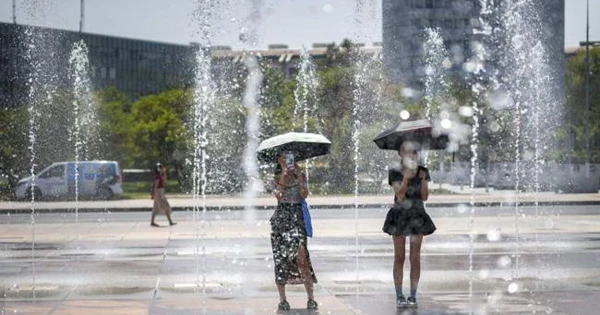
Switzerland is experiencing an unprecedented convergence of extreme weather events that has disrupted daily life and accelerated environmental concerns across the Alpine nation. Record-breaking temperatures exceeding 39 degrees Celsius have been followed by severe thunderstorms that are forcing flight cancellations and creating hazardous conditions throughout the country.
The intense heat wave has shattered long-standing temperature records for the month of June. Meteorological data indicates that numerous Swiss regions have experienced their hottest June conditions on record. This dramatic weather pattern has prompted health authorities to issue warnings and advisories for vulnerable populations.
Following the extreme heat, powerful thunderstorms have swept across Switzerland with significant intensity. These severe weather systems have brought heavy rainfall, lightning, and strong winds that have disrupted transportation infrastructure and created dangerous conditions. Zurich airport has been particularly affected, with multiple flight disruptions reported as the storms passed through the region.

The combination of record heat and violent storms is accelerating glacier melt at an alarming rate. Scientists and environmental experts have expressed serious concern about the rapid loss of glacial ice in the Swiss Alps. This accelerated melting carries significant implications for water resources, hydroelectric power generation, and long-term environmental sustainability in the region.
Understanding the Record Heat Wave
The June heat wave that struck Switzerland represents a significant meteorological event. Temperatures across the country reached levels rarely seen during early summer months. Multiple weather stations recorded their highest June temperatures on record, with some regions experiencing readings near or exceeding 39 degrees Celsius.
Urban centers experienced particularly intense heat conditions. Cities like Geneva and Zurich recorded temperatures among their highest for June in recorded history. The sustained nature of the heat, persisting over multiple days, created compounding stress on infrastructure and public services.
Rural and mountainous regions also experienced significant temperature increases. Even at higher elevations, where cooler temperatures typically prevail, the heat wave pushed conditions to unprecedented levels for early summer. This widespread nature of the extreme heat underscores the intensity and geographic extent of the weather system.
The heat wave corresponded with atmospheric conditions that created a high-pressure system over Central Europe. This weather pattern prevented cooler air masses from moving into the region, allowing temperatures to build progressively. The persistence of these conditions created a multi-day heat event of substantial magnitude.
Health authorities issued warnings and recommendations during the peak heat period. Residents were advised to remain hydrated, limit outdoor exposure during peak afternoon hours, and monitor vulnerable family members. Hospitals and emergency services reported increased patient loads related to heat-related illnesses.
The Transition to Severe Thunderstorms
Following the intense heat, atmospheric conditions shifted dramatically as cooler air masses moved into the region. This collision between warm and cold air created the conditions necessary for powerful thunderstorm development. The resulting storms produced intense rainfall, lightning, and strong winds across multiple Swiss regions.
The thunderstorm systems developed with remarkable intensity. Meteorological data indicated that updraft speeds within storm clouds reached extreme levels. These conditions produced heavy precipitation rates that created localized flooding in some areas and overwhelming drainage systems in municipalities.
Lightning activity during the storms was particularly pronounced. Weather authorities recorded thousands of lightning strikes across Switzerland as the storms progressed through the country. The electrical activity posed hazards to people and infrastructure, with several lightning-related incidents reported.
Wind speeds within and around the storm systems reached significant levels. Tree damage was reported in forested areas, with numerous branches broken or trees uprooted by the strong winds. Roof damage and other structural impacts were documented in affected communities across the country.
Impact on Zurich Airport and Transportation
Zurich Airport, Switzerland's largest aviation hub, experienced substantial disruption due to the severe weather conditions. Flight operations were suspended or significantly delayed as the storms passed through the region. Airlines implemented precautionary measures to ensure passenger and crew safety during the dangerous weather.
Ground operations at the airport were also affected by the severe conditions. De-icing equipment and other ground support services were mobilized as weather conditions deteriorated. The intensity of the storms created unsafe conditions for aircraft movement on taxiways and runways.
Airlines operating from Zurich implemented contingency procedures and communicated delay information to affected passengers. Rebooking efforts were initiated for passengers on cancelled flights. The disruption extended flight delays throughout the following operational day as the airport worked to restore normal service levels.
The transportation disruptions extended beyond aviation. Road conditions became hazardous due to heavy rainfall and reduced visibility from the storms. Some Alpine passes experienced temporary closures due to deteriorating weather conditions and safety concerns.
Public transportation systems operated with modified schedules in affected areas. Rail service continued but with extended travel times in some corridors due to weather-related precautions. The overall transportation network experienced significant strain from the severe weather event.
Accelerated Glacier Melt in the Alps
The combination of record heat and subsequent intense weather has dramatically accelerated glacier melt across the Swiss Alps. Scientists have documented substantial ice loss in glacial systems throughout the mountain region. This accelerated melting represents a concerning development in the context of broader climate trends.
Swiss glacier monitoring programs have documented the extent of ice loss during this period. Measurements taken across multiple glacial systems indicate significant volume reduction compared to previous years. The rate of melt observed during this heat event exceeds typical seasonal patterns substantially.
The Aletsch Glacier, Switzerland's largest glacial system, has been particularly affected. Monitoring data shows rapid retreat and thinning of the ice mass during the heat wave period. Scientists indicate that the pace of loss is consistent with projections associated with climate change impacts on Alpine glaciers.
Smaller glaciers throughout the Alps have also experienced accelerated melting. Many have shown retreat patterns and volume loss that alarm climate researchers. The cumulative loss across all Swiss glacier systems represents millions of tons of ice transformed to water.
The melt water flows into mountain streams and rivers, contributing to increased runoff. Hydrological systems throughout the Alps are receiving substantially elevated water volumes from glacial sources. This increased flow affects downstream water availability and hydroelectric power generation capacity.
Environmental and Hydrological Implications
Accelerated glacier melt carries significant implications for Switzerland's water resources. Glaciers serve as natural water storage systems, releasing moisture gradually throughout the year. Rapid melt disrupts this natural regulation, creating periods of excess water followed by potential shortages.
Hydroelectric power generation, a critical component of Switzerland's energy infrastructure, depends partly on glacial runoff. Increased melt during summer months can boost short-term power generation capacity. However, long-term glacier decline threatens the sustainability of this important energy source.
Alpine ecosystems experience stress from rapid environmental changes accompanying accelerated glacier melt. Species adapted to glacial environments face habitat loss and changing environmental conditions. Downstream ecosystems receive altered water flow patterns and temperature changes affecting aquatic life.
Agricultural regions dependent on Alpine water resources face potential disruptions. Irrigation systems and water supply arrangements were developed based on historical patterns of glacial melt. Changes to these patterns create challenges for agricultural productivity and water management strategies.
Tourism dependent on glacier landscapes faces uncertain futures as glaciers continue retreating at accelerated rates. Iconic Alpine scenery will change substantially as glacial features diminish. Winter sports and mountaineering opportunities may be affected by altered conditions.
Broader Climate Context
The extreme weather events observed in Switzerland reflect broader climate patterns affecting Europe. Multiple heat waves have occurred across the continent in recent years, with increasing frequency and intensity. Temperature records that stood for decades have been broken repeatedly in recent seasons.
Climate scientists attribute the increasing frequency of heat waves to anthropogenic climate change. Atmospheric circulation patterns are shifting in ways that create conditions favorable for sustained heat events. These patterns are expected to become more common as global temperatures continue rising.
Severe thunderstorms have also shown increases in frequency and intensity in some regions. The interaction between warming oceans and atmosphere creates conditions conducive to powerful storm development. This pattern is consistent with climate model predictions for future decades.
Long-term climate projections for Switzerland indicate continued warming and increased frequency of extreme weather events. Alpine regions are warming faster than global averages, a phenomenon known as polar amplification. This means Swiss regions will experience more pronounced climate change impacts than many other areas.
Public Health and Safety Response
Swiss health authorities activated heat-health response protocols during the peak of the heat wave. Public information campaigns urged residents to take protective measures. Cool shelters were opened in urban areas for vulnerable populations lacking air conditioning.
Emergency services reported increased calls related to heat-related illnesses during the peak period. Hospitals prepared for potential surges in patient volume and allocated additional resources. Heat-related illness prevention was emphasized in public health messaging.
During the severe thunderstorms, emergency response teams were deployed to handle weather-related incidents. Search and rescue operations were conducted in affected areas where weather-related accidents occurred. Emergency management agencies coordinated response efforts across multiple jurisdictions.
Safety warnings were issued regarding lightning hazards during the storms. Public advisories recommended remaining indoors during peak storm activity. Information about lightning safety procedures was distributed to residents through official channels.
Looking Forward
Switzerland faces ongoing challenges related to climate change and extreme weather events. Infrastructure planning must account for increased frequency of severe weather. Water management strategies require revision based on changing glacial melt patterns.
Regional authorities are developing climate adaptation strategies to address future risks. These include infrastructure improvements, ecosystem management approaches, and agricultural adjustments. Long-term planning is essential to address cumulative climate impacts.
International climate agreements and domestic climate policies aim to limit future warming. Switzerland has committed to reducing greenhouse gas emissions through various policy mechanisms. These efforts are intended to moderate future climate changes and their impacts.
Scientific research continues to improve understanding of climate dynamics and future projections. Swiss research institutions contribute substantially to climate science advancement. Improved predictive models help guide policy development and adaptation planning.
The convergence of record heat and severe storms observed in Switzerland serves as a reminder of climate change realities. Extreme weather events that were once rare are becoming increasingly common. The accelerated glacier melt documented during this event underscores the urgency of climate action and adaptation measures.
Switzerland's experience with these extreme weather events resonates globally. Many regions face similar climate-related challenges and environmental pressures. The adaptation strategies developed in Switzerland may provide insights for other regions confronting comparable climate impacts and environmental changes.