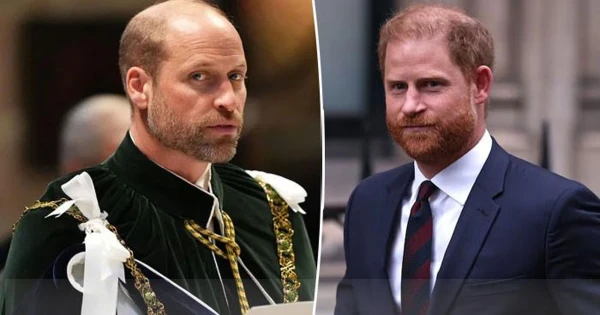
Prince William is navigating deep emotional strain amid the ongoing rift with his brother Prince Harry, as the Duke of Sussex prepares for a potential return to the United Kingdom with his family. The situation centers on security arrangements for the trip, highlighting the persistent divide within the royal family.
The Royal and VIP Executive Committee, known as RAVEC, recently declined requests for full taxpayer-funded police protection for Harry, Meghan, and their children during the visit outside of royal properties. This decision comes after years of legal battles, including court losses in 2024 and 2025, where Harry challenged the downgrade of his security following his step back from royal duties in 2020.
King Charles III has extended an offer of accommodation at a royal residence, such as Buckingham Palace, to help facilitate the trip and support a possible family reunion. The gesture aims to ease logistical concerns, though the core issue remains protective security for the Sussex family throughout their time in Britain.

Harry, who has expressed significant stress over the matter, is reportedly exploring every option to ensure a safe visit. Plans for the family trip, potentially the first in four years for Archie and Lilibet to spend time in the UK, now hang in balance. Sources indicate Harry is distraught about the implications for his children's safety and their opportunity to connect with relatives, including their grandfather.
The broader context involves longstanding family estrangement. William and Harry have had limited contact since the Sussexes relocated to the United States. Royal observers note that William maintains a cautious approach to any interactions, prioritizing stability within his own immediate family and public duties. Princess Kate has been a source of support for William during this period of heightened family pressure.
Security remains a complex challenge. Reports highlight documented threats against Harry, including terror-related concerns that have been assessed by both private firms and government bodies. RAVEC's decisions balance Harry's status as the son of the King with his non-working royal role, providing case-by-case "bespoke" protection rather than automatic coverage.
The upcoming visit, tied in part to events like preparations for the Invictus Games, carries symbolic weight. It represents a chance for reconciliation efforts between Harry and his father, King Charles, who continues to manage his own health challenges while fostering family ties. However, the public nature of the security dispute has added another layer of difficulty to already delicate dynamics.
Experts point out that such high-profile family matters often play out under intense media scrutiny, affecting all involved. For William, the heir to the throne, the focus remains on his responsibilities to the monarchy and his young family, even as private concerns surface regarding his brother's situation.
As the July timeline approaches, the royal family continues to manage these internal challenges while fulfilling public roles. The resolution of Harry's visit arrangements could influence future family interactions, underscoring the complexities of balancing personal relationships with institutional protocols and security imperatives in modern royal life.
This episode reflects deeper shifts within the monarchy as it adapts to changing roles and external pressures. Both brothers have charted distinct paths—William deeply embedded in royal duties in Britain, Harry building a life abroad—yet shared history and family bonds keep them linked amid ongoing challenges.