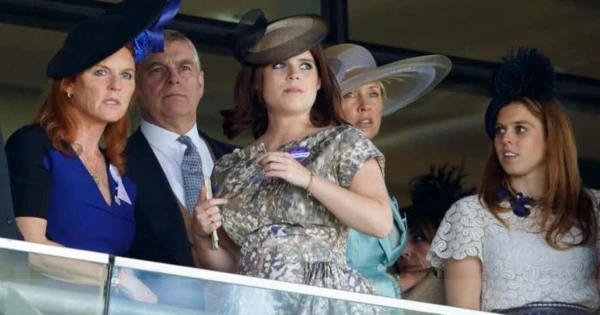
The British royal family continues to navigate fresh waves of scrutiny following the latest releases of documents related to Jeffrey Epstein. At the center of the unfolding tensions is Andrew Mountbatten-Windsor, the former Duke of York, whose strained relationships with his ex-wife Sarah Ferguson and daughters Princess Beatrice and Princess Eugenie have drawn significant public attention.
Recent developments have highlighted a growing divide within the York family. Princess Beatrice and Princess Eugenie, who maintain their titles as princesses, have been notably absent from public appearances alongside their parents. This distance comes as renewed focus on past family connections to Epstein places additional pressure on the sisters, who occupy positions in the line of succession but do not undertake official royal duties.
Insiders describe Andrew as increasingly frustrated by what he perceives as a lack of support from his immediate family. He has reportedly expressed disappointment that his daughters and former wife appear to be prioritizing their standing within the broader royal circle over family loyalty. Andrew has positioned himself as someone working behind the scenes to secure greater financial stability and preserve the sisters' royal status amid ongoing institutional changes.
Prince Harry and Meghan Markle Agree to King Charles' Strict Meeting Terms as UK Return Nears

The situation intensified with the emergence of additional emails from the Epstein files. These documents reference interactions involving Sarah Ferguson and, in some cases, mention Beatrice and Eugenie during their younger years. While Andrew and Ferguson have long denied any wrongdoing in their associations, the renewed publicity has complicated efforts by the York daughters to maintain independent public profiles.
According to reports, Andrew has been vocal about his efforts to advocate for his daughters, including lobbying senior family members for enhanced support. He has also attempted to defend Ferguson’s position. However, sources close to the family suggest these actions have not been met with the appreciation he expected, contributing to a sense of isolation on his part.
The family dynamics reflect broader challenges facing the monarchy under King Charles III. The institution has sought to modernize and distance itself from past controversies, leading to significant adjustments for non-working royals. Andrew’s loss of his Duke of York title and other honors in late 2025 marked a notable shift, while Beatrice and Eugenie have retained their princess titles by birthright.
Despite the public distancing, private family connections reportedly remain. The princesses continue to balance their personal lives—Beatrice with her husband Edoardo Mapelli Mozzi and children, and Eugenie with her husband Jack Brooksbank and family—while facing heightened media interest in their every move. Recent family events, such as weddings and holiday gatherings, have tested these delicate relationships.
Observers note that the York sisters have largely kept low profiles in recent months, focusing on private endeavors and charitable interests rather than high-visibility royal engagements. This approach appears aimed at safeguarding their reputations and those of their young families amid the persistent spotlight on their parents’ past.
Andrew’s reported warning to his daughters and ex-wife underscores the emotional strain. He has allegedly cautioned that any perceived plotting against him could lead to collective consequences, reflecting deep-seated feelings of betrayal over the family’s handling of the ongoing pressures. These sentiments have reportedly created further rifts, with Andrew believing his behind-the-scenes advocacy has gone unacknowledged.
The monarchy’s leadership continues to emphasize unity and forward momentum, particularly as it manages public duties and charitable work. King Charles has been described as protective of his nieces, shielding them where possible from the fallout of their parents’ controversies. Yet the York family’s situation illustrates the lasting impact of past associations on even the extended royal circle.
As the royal family adapts to these challenges, the story of the Yorks serves as a reminder of the personal costs that can accompany public life. Beatrice and Eugenie, now in their mid-30s, find themselves at a crossroads, seeking to forge paths that honor their heritage while protecting their families from further turmoil. Andrew’s frustrations highlight the complex interplay of loyalty, duty, and self-preservation within one of the world’s most watched institutions.
The coming months may bring further clarity as the family navigates these tensions. For now, the focus remains on maintaining stability and privacy where possible, even as external interest shows little sign of fading.