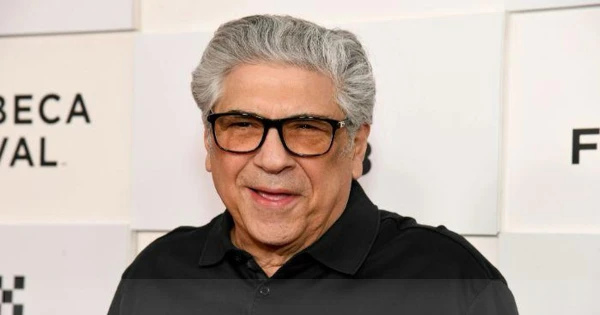
Vincent Pastore, the actor best known for playing Salvatore “Big Pussy” Bonpensiero on HBO’s The Sopranos, was found dead in his Bronx apartment at age 80, according to Geo TV. Authorities have opened an investigation, but no additional details about the cause of death have been released.
Pastore had not been seen for about three days before a neighbor checked on him, the report said. His body was later discovered inside the apartment after people close to him had not heard from him for several days.
For millions of viewers, Pastore became one of the most recognizable faces from The Sopranos, the Emmy-winning HBO drama that helped redefine television at the turn of the century. His character, Big Pussy, was central to one of the show’s most memorable and emotionally charged storylines, and the role made Pastore a fan favorite.
Before becoming an actor, Pastore served in the U.S. Navy during the Vietnam War. He later worked owning bars and clubs before deciding to pursue acting more seriously, a move that eventually led to a steady career in film and television.
Over the years, he appeared in projects including GoodFellas, Gotti and several other popular screen and TV productions. In his later life, he remained active in the entertainment world, including theater work and collaborations with fellow actors.
News of his death prompted an outpouring of grief from fans who remembered him as a vital part of The Sopranos’ enduring legacy. While the show ended more than two decades ago, it remains one of the most influential dramas in American television history, and Pastore’s performance helped cement that reputation.
Why this matters
Pastore’s death is another reminder of how deeply The Sopranos shaped modern television and popular culture. The series helped establish the antihero-driven prestige drama that now dominates much of American TV, and the actors who made it work remain closely associated with that era.
His career also reflected a familiar American story of reinvention: military service, blue-collar work, and a late start in entertainment before finding wider recognition. That background made him stand out as more than a character actor — he became part of a generation of performers whose authenticity helped define a landmark series.