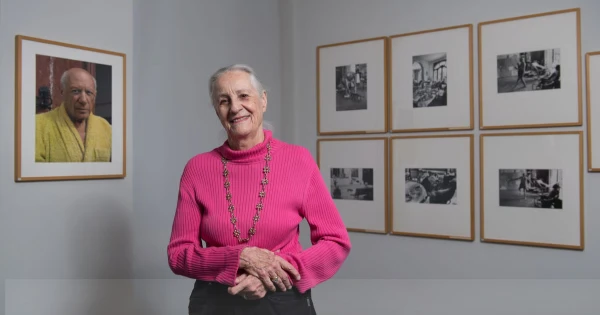
The world of art and culture lost a towering figure with the passing of Angela Rosengart. The renowned Swiss collector and dealer, who dedicated her life to preserving and sharing masterpieces of Impressionism and Classic Modernism, died at the age of 94. Her death marks the end of an extraordinary chapter in European art history, one defined by passion, personal connections with legendary artists, and unwavering commitment to public access to great works.
Born in 1932 in Lucerne, Rosengart grew up immersed in the art world. Her father, Siegfried Rosengart, was a prominent German-Swiss art dealer whose gallery became a hub for modern masters. From a young age, Angela showed a deep affinity for art that would shape her entire life. At just 16, she began working alongside her father, learning the intricacies of the trade and developing an eye for exceptional pieces.
By 1948, she had officially joined the family gallery as an apprentice. Her dedication and growing expertise led to a partnership in 1957. After her father’s death in 1985 at the remarkable age of 101, she took over as sole managing director, continuing to build and refine one of the most significant private collections of 20th-century art.

The Rosengart family’s collection started modestly in their living rooms but evolved into something far greater. Through decades of careful acquisition and personal relationships with artists, they amassed hundreds of works by icons such as Pablo Picasso, Paul Klee, Claude Monet, Henri Matisse, Joan Miró, and many others. What set their approach apart was the intimate nature of their collecting. Many pieces came from direct interactions with the creators themselves.
Picasso held a particularly special place in Rosengart’s life. The legendary Spanish artist painted her portrait no fewer than five times, capturing her presence in works that now form a highlight of the collection. Their friendship spanned decades, adding a layer of personal history to the artworks. Rosengart often spoke of the intensity of sitting for Picasso, describing how his gaze seemed to penetrate deeply as he worked.
The collection’s strength lies in its depth. It features around 180 works by Picasso, including paintings from his later periods, drawings, watercolors, graphics, and sculptures. The Paul Klee holdings are equally impressive, with 125 watercolors, drawings, and oil paintings—one of the largest such groupings outside the artist’s family. Other masters represented include Wassily Kandinsky, Georges Braque, Amedeo Modigliani, Fernand Léger, Pierre Bonnard, and Camille Pissarro.
In 1978, to mark Lucerne’s 800th anniversary, Angela and her father donated eight major Picasso works to the city. This generous act laid the groundwork for a dedicated Picasso museum, which they continued to support. Those pieces later became part of the broader Rosengart Collection.
Determined to share their treasures with the public, Rosengart established the Rosengart Foundation in 1992. The foundation’s mission centered on preserving the collection and ensuring its permanent display in Lucerne. In 2000, she purchased the former Swiss National Bank building, a neoclassical structure completed in 1924. Architects transformed the elegant space into a fitting home for the artworks.
The museum opened its doors in March 2002 to widespread acclaim. Visitors encountered a thoughtfully arranged exhibition: the ground floor dedicated primarily to Picasso, the basement to Klee, and the upper level to other artists. The former bank’s conference room remains preserved as a historical feature. In its first year alone, the museum welcomed more than 100,000 visitors, quickly establishing itself as a cultural landmark.
Rosengart’s vision extended beyond mere display. The museum offers an intimate experience where art feels connected to human stories. Many pieces once hung in the family’s private spaces, carrying the warmth of lived experience rather than institutional distance. This personal touch resonates strongly with audiences who appreciate the human element behind great collections.
Throughout her career, Rosengart earned recognition for her contributions. In 2003, the University of Zurich awarded her an honorary doctorate from its Philosophy Faculty. Art world figures and visitors alike referred to her as the “grande dame of art,” acknowledging her lifelong devotion and expertise.
The collection continues to draw international attention. Its focus on Classic Modernism and Impressionism provides a rich overview of pivotal artistic movements. Works by Monet, Cézanne, Renoir, Chagall, and others complement the core Picasso and Klee displays, creating a comprehensive narrative of modern art’s development.
Lucerne, with its picturesque lakeside setting, proved an ideal location for such a museum. The city already boasted a vibrant cultural scene, and the Rosengart Collection enhanced its reputation as a destination for art enthusiasts. Tourists and locals alike benefit from year-round access to these masterpieces without needing to travel to major global capitals.
Rosengart’s philanthropy ensured the collection’s future. By placing it under the foundation’s care, she protected it from dispersal and guaranteed ongoing public enjoyment. The museum stands as a testament to her belief that great art belongs to everyone, not just private owners.
Her approach to collecting emphasized quality, personal connection, and cultural responsibility. Rather than chasing trends, she focused on artists whose work moved her deeply. This discernment resulted in a cohesive and emotionally resonant ensemble that continues to inspire new generations.
In the broader context of Swiss cultural heritage, Rosengart’s legacy shines brightly. Switzerland has long served as a crossroads for artists and collectors, offering stability and appreciation for creative expression. Her efforts reinforced this tradition, making significant modern works accessible in a country known for its museums and cultural institutions.
The museum’s enduring popularity reflects the timeless appeal of the artworks. Families, students, scholars, and casual visitors find something meaningful within its walls. Educational programs and thoughtful curation help contextualize the pieces, deepening appreciation for the historical and artistic significance of each era represented.
As news of her passing spreads, tributes highlight not only her professional achievements but also her warmth and dedication. Colleagues, artists, and admirers remember a woman who lived with purpose, transforming private passion into public treasure. Her story underscores the powerful role individual collectors can play in shaping cultural landscapes.
The Rosengart Collection remains a living institution, continuing to welcome visitors and preserve its founder’s vision. Future generations will encounter the same masterpieces that captivated Rosengart and her father, experiencing the joy and insight they provide.
Angela Rosengart’s life exemplified how personal enthusiasm, when paired with generosity, can create lasting impact. From her early days in the family gallery to the establishment of a major public museum, she bridged private collecting with public service. Her passing closes one era but ensures the artworks she cherished will enlighten and delight for years to come.
In Lucerne and beyond, her influence endures through the beauty and history preserved in the museum she founded. The collection stands as both a memorial to her life’s work and a vibrant invitation to engage with art that continues to speak across time.