



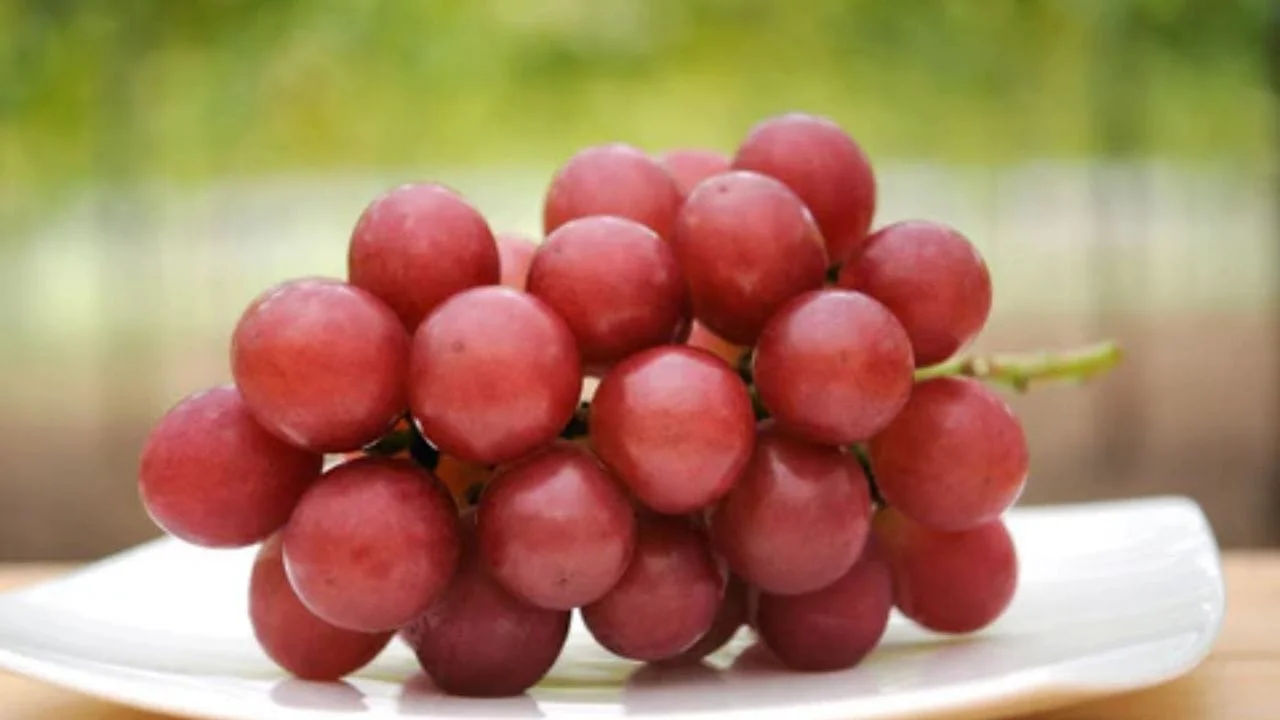
From Japan's ruby-red grapes to China's Buddha-shaped pears, the global fruit market offers some extraordinary and breathtakingly expensive produce that most people can only dream of tasting. These luxury fruits are not merely food items but symbols of status, artistry, and meticulous agricultural craftsmanship that command astronomical prices at auctions and specialty stores.
Ruby Roman Grapes: The Jewel of Japanese Agriculture
Ruby Roman grapes represent the pinnacle of luxury fruit cultivation, with a single bunch fetching between 800,000 to 1,100,000 Bangladeshi Taka, equivalent to over 11,000 US dollars. These extraordinary grapes, grown exclusively in Japan's Ishikawa Prefecture, are comparable in size to ping-pong balls and must meet stringent quality standards before they can bear the Ruby Roman name.
Each individual grape must weigh at least 20 grams and contain a minimum sugar content of 18 percent, ensuring exceptional sweetness in every bite. The rigorous selection process means that a single grape from this exclusive bunch can cost approximately 30,000 to 35,000 Taka, making it one of the most expensive fruits available anywhere in the world.
Densuke Watermelon: The Black Diamond of Melons
The Densuke watermelon stands out with its distinctive black, glossy rind that lacks the typical striped pattern found on ordinary watermelons. These remarkable fruits command prices ranging from 400,000 to 500,000 Taka, approximately 6,000 US dollars each, and are prized for their exceptional sweetness and completely seedless flesh.
The island of Hokkaido produces only about 100 of these special watermelons annually, making them extremely rare and highly sought after. Each year, these black watermelons are sold at auctions where wealthy buyers compete fiercely to secure these exclusive fruits for special occasions and prestigious gifts.
Square Watermelon: The Geometric Wonder
Japan's square watermelons offer a fascinating example of agricultural innovation, with each fruit costing between 65,000 to 70,000 Taka, roughly 800 US dollars. These uniquely shaped fruits are not primarily grown for consumption but serve as decorative showpieces and elegant gifts that enhance the beauty of any room.
Japanese farmers grow these watermelons inside specially designed plastic cube-shaped boxes, forcing the fruit to develop into a perfect square form during its growth cycle. This unusual shape makes them particularly convenient for refrigerator storage, which has created significant demand among Japan's elite social circles who appreciate both the novelty and practicality of these geometric fruits.
Sembikiya Queen Strawberries: Perfection in a Package
The Sembikiya Queen Strawberries represent the ultimate standard of perfection in strawberry cultivation, with a single package containing 12 strawberries priced at approximately 7,000 to 8,000 Taka, about 85 US dollars. These premium strawberries are sold exclusively through Tokyo's famous luxury fruit store, Sembikiya, which has built a reputation for offering only the finest quality produce available anywhere.
The selection process for these strawberries is extraordinarily rigorous, with growers carefully choosing only the most perfect specimens from hundreds of naturally grown berries. Each strawberry must display identical coloring, uniform shape, and precise weight specifications, and even a single tiny blemish results in immediate rejection from this exclusive collection.
Sekai-Ichi Apples: The World's Number One
Sekai-Ichi apples, whose name translates to "world's number one" in Japanese, command prices between 1,500 to 2,000 Taka per apple, approximately 21 US dollars. These extraordinary apples are cultivated using unusual farming methods that reflect the Japanese dedication to producing the finest possible fruit.
Farmers personally hand-pollinate each apple tree and individually wash every developing fruit with pure honey before packaging them with meticulous care. These apples can reach weights of up to one kilogram each, making them significantly larger than standard apples and offering an unparalleled eating experience that justifies their premium price tag.
Buddha Shaped Pears: Spiritual Symbolism in Fruit
Chinese farmer from Hebei Province pioneered the cultivation of Buddha-shaped pears, which sell for approximately 700 to 800 Taka each, roughly 9 US dollars. This innovative farming technique involves placing young pears into plastic molds shaped like meditating Buddha figures, causing the fruit to develop into these distinctive spiritual forms as they grow.
The fully developed pears bear an uncanny resemblance to Buddha in meditation pose, and local communities believe that displaying these fruits in homes brings good fortune and positive energy. This combination of artistic cultivation and cultural significance has made these pears highly desirable decorative items for those seeking unique and meaningful home accessories.
Taiyo no Tamago Mangoes: Eggs of the Sun
The Taiyo no Tamago, or "Egg of the Sun" mangoes, rank among the world's most expensive fruits, with a pair costing between 300,000 to 350,000 Taka, approximately 4,000 US dollars. These exceptional mangoes are cultivated in Japan's Miyazaki Prefecture and represent the pinnacle of mango growing expertise developed over generations.
Farmers carefully tie small nets around each mango while still on the tree to prevent any contact with the ground that might cause blemishes. The mangoes ripen completely naturally, developing a brilliant red color and extraordinary sweetness that melts in the mouth upon consumption. This variety has proven so successful that farmers in India's Madhya Pradesh region have now begun cultivating these premium mangoes as well.
The Cultural Significance of Luxury Fruits
These extraordinary fruits represent more than just expensive food items; they embody cultural values of perfection, craftsmanship, and the celebration of nature's bounty. The meticulous care and attention given to each fruit reflects a deep respect for agriculture and a commitment to producing the highest quality products possible.
For those who purchase these fruits, they serve multiple purposes beyond mere consumption, functioning as prestigious gifts, decorative centerpieces, and symbols of social status. The practice of offering luxury fruits as presents during special occasions has become deeply embedded in East Asian gift-giving traditions.
Quality Control and Production Standards
The production of these premium fruits involves rigorous quality control measures that would be unimaginable in conventional fruit farming. Each fruit must meet exacting standards for size, color, sugar content, and appearance, with any deviation resulting in automatic rejection from the premium market.
Farmers employ specialized techniques ranging from hand-pollination to individual fruit wrapping and careful monitoring throughout the growing cycle. This intensive labor significantly increases production costs but ensures that only the finest specimens reach the exclusive market.
Global Appeal and Market Dynamics
While these luxury fruits originated primarily in Japan and China, their appeal has spread globally as international buyers seek out these unique agricultural products. The auction system for certain premium fruits creates excitement and competition among wealthy collectors and luxury retailers.
The market for these exceptional fruits continues to grow as affluent consumers in emerging economies develop a taste for premium agricultural products. This increasing global demand has led some countries, like India, to begin cultivating similar high-value fruit varieties for export and domestic luxury markets.