


A prominent American think tank has issued a stark warning regarding the proposed ceasefire agreement between the United States and Iran, asserting that the current draft places the Islamic Republic in a significantly stronger strategic position. The Institute for the Study of War (ISW) cautioned that the memorandum of understanding, which aims to end the ongoing conflict, grants Iran substantial economic relief without securing corresponding concessions on its nuclear program .
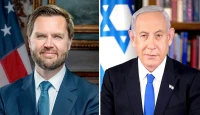
The analysis from the non-partisan institute comes as President Donald Trump and Vice President JD Vance have characterized the circulating details of the 14-point memorandum as a preliminary draft subject to change. Despite these assurances from the administration, the think tank's assessment of the version currently public suggests that the relief provided to Iran is disproportionate to the commitments it has made.
Concerns Over Nuclear Ambiguity
B-52 Crash at Edwards AFB: What the 2026 Stratofortress Accident Reveals About an Aging Bomber Fleet

The Institute for the Study of War highlighted that while the MOU could provide Iran with further economic incentives for compliance, there is no indication that Tehran is prepared to offer the nuclear concessions likely required in a final agreement . This central concern is compounded by what the ISW describes as "ambiguous language" regarding the Strait of Hormuz. The think tank warned that Iran will likely exploit this vagueness to attempt to impose its control over shipping through the strategic waterway, a vital chokepoint for global energy supplies .
The agreement explicitly states that Iran will permit free transit through the Strait of Hormuz, which carries approximately 20% of the world's traded oil, for a period of 60 days while negotiations continue . However, experts warn that the restoration of normal traffic levels will not be instantaneous and will require time to clear mines and re-establish maritime security protocols.
Details of the 14-Point Memorandum
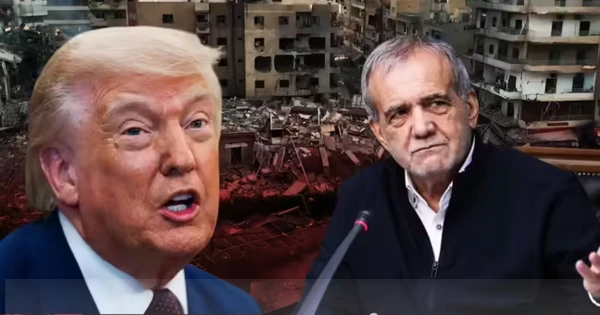
The preliminary agreement, officially signed by President Trump and Iranian President Masoud Pezeshkian, establishes a framework for de-escalation and a path toward a more comprehensive final accord .
Key provisions of the MOU include an immediate and permanent cessation of hostilities on all fronts, including Lebanon, and a mutual commitment to respect sovereignty and territorial integrity. The United States has agreed to begin lifting its naval blockade on Iran within 30 days, while Iran has committed to ensuring the safe passage of commercial vessels through the Strait of Hormuz .
The most significant economic aspect of the deal involves a commitment from the U.S. and its regional partners to develop a reconstruction and economic development plan for Iran valued at a minimum of $300 billion . While the U.S. has stated this funding will not come directly from American taxpayers, but rather from Gulf nations and private investment, critics within the Republican Party have already expressed alarm.
Texas Senator Ted Cruz voiced strong opposition, characterizing the provision as offering billions to a regime that remains hostile to American interests .
A 60-Day Diplomatic Window
The agreement opens a 60-day window for negotiations to reach a final peace accord. During this period, Iran has reaffirmed its commitment under the Nuclear Non-Proliferation Treaty not to manufacture nuclear weapons . However, the current MOU allows Iran to maintain the status quo of its nuclear program during negotiations, prompting fears that Tehran will use the time and financial relief to advance its capabilities secretly.
The think tank's analysis aligns with concerns from other observers who argue that the U.S. has deferred the most difficult issues, including the future of Iran's ballistic missile program and its network of regional proxies, which remain unaddressed by the preliminary draft . The success of this high-stakes diplomatic effort now hinges on whether both sides can bridge decades of mistrust within the next two months. The outcome will determine not only the future of Iran's nuclear ambitions but also the stability of the broader Middle East.