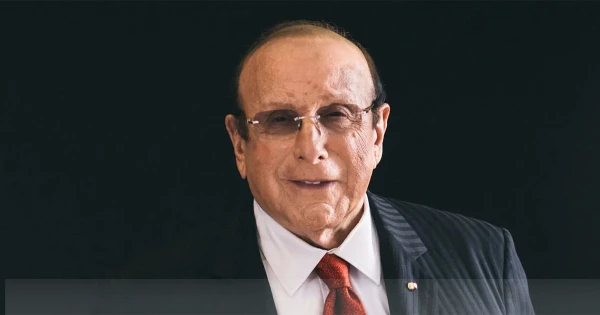
Clive Davis, the influential music executive whose talent-spotting and record-making instincts helped create global superstars including Whitney Houston, Barry Manilow and Aretha Franklin, died at his Manhattan home on Monday. He was 94. His family confirmed his death and said he had recently been hospitalized for respiratory problems.
Davis spent more than six decades shaping popular music and corporate music strategy, rising from a legal position at Columbia Records in 1960 to lead major labels including Arista and, later, serving as chief creative officer of Sony Music Entertainment. He combined an unerring ear for hit records with a steady business sense, guiding artists across genres — pop, R&B, rock, jazz and hip-hop — toward careers that produced both critical acclaim and massive sales.
Early in his career, Davis persuaded Columbia to embrace contemporary rock and soul at a moment when the company risked lagging behind cultural trends. He championed Janis Joplin and Blood, Sweat & Tears and encouraged Miles Davis to reach younger audiences, moves that helped the label remain relevant as the industry shifted. Later, at Arista and his own J Records, he signed and nurtured a generation of vocal stars, producers and songwriters, assembling teams in the studio to craft radio-ready songs that connected with broad audiences.
Molly-Mae Hague Reveals Surprising Inspiration Behind Son Midas’ Name: It’s Not What Fans Thought

His most emblematic success came with Whitney Houston. Davis pursued the right producers, songwriters and material for nearly two years before releasing her debut album in 1985. The record produced three No. 1 singles and became one of the best-selling debuts in music history, launching Houston into international stardom. Davis repeated that formula with other artists, overseeing carefully curated recording sessions and matching voices to songs to maximize commercial and artistic impact.
Davis also recognized emerging trends early. He moved to embrace R&B-leaning pop and urban contemporary sounds when they crossed into mainstream markets, supported the early commercial potential of hip-hop, and orchestrated major comebacks for established acts such as Carlos Santana and Rod Stewart. Over decades, his A&R approach — matching singers with the right songs and producers, and refining arrangements for radio and retail — shaped what became modern pop production.
Known beyond the industry for his annual pre-Grammy parties and sartorial flair, Davis became one of the few nonperformers whose name reached a broad public audience. He frequently appeared at awards shows, in magazines and on television, where his carefully tailored suits and distinctive accent became part of his public persona. Inside the business, he was respected for longevity and resilience, surviving corporate reshuffles and shifts in music consumption that sank many contemporaries’ careers.
Davis’s path to the top began in modest circumstances. He was born in Brooklyn on April 4, 1932, and grew up in Crown Heights. His parents died while he was in college, a loss that he later described as life-defining. A scholarship student, he attended New York University and then earned a law degree from Harvard Law School, credentials that helped him enter Columbia’s legal department at 28. He has said he originally knew little about the music business and learned by studying record sales, radio trends and the Billboard charts.
That analytical approach merged with an intuitive sense for artists’ potential. Davis favored what he called “contemporary music,” a commercial, studio-driven pop designed to reach mass audiences. He spent long periods developing material, demonstrated most famously with Houston’s debut, and believed deeply in the producer-executive partnership as a creative engine. Industry figures credited him with insisting that music first be judged on whether it could capture “three and a half minutes of magic,” a reference to the standard length of a hit single.
Davis’s influence extended beyond signings and studio sessions. He helped create and promote careers across multiple waves of popular music, from the late 1960s rock surge to the pop and R&B dominance of the 1980s and the genre-blending marketplace that followed. He won multiple industry honors and used his annual gatherings as a hub for networking, celebration and new deals, reinforcing his role as a central figure in modern music culture.
His personal life and candor drew attention as well. Davis married twice and in later life publicly acknowledged relationships with men, describing his openness about sexuality in his 2013 memoir as part of living honestly. That memoir and his public interviews traced a life of ambition, reinvention and an enduring belief in mentorship: David’s protégés and collaborators often recalled how he pushed artists to reach higher standards and connected them to writers and producers who could turn potential into commercial success.
As the music business moved through digital disruption, streaming and rapid shifts in distribution and promotion, Davis remained an active presence, credited with adapting his A&R instincts to changing markets while maintaining a focus on artist development. He served as a symbol of continuity for an industry marked by rapid turnover in executives and trends.
Clive Davis’s death marks the end of a distinct era of record making in which the label executive often played a decisive creative role. His legacy lives on in the careers he launched, the records that defined generations and the industry practices he helped shape. He is survived by family members who confirmed his passing and by the many artists and executives shaped by his decades-long stewardship of popular music.