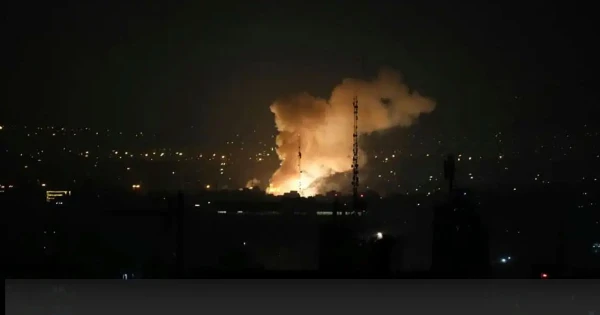
The U.S. military has conducted precision strikes against Iranian assets in the Persian Gulf region. The operation was launched in retaliation for an attack on a commercial vessel near the strategic Strait of Hormuz, according to officials from U.S. Central Command.
CENTCOM confirmed that American forces executed the strikes on Friday. The military action was described as a firm response to Iran's assault on the merchant ship that occurred the previous day while transiting the vital international waterway.
U.S. aircraft targeted Iranian missile and drone storage sites during the operation. Coastal radar facilities were also hit in the strikes aimed at degrading Tehran's ability to disrupt maritime traffic.

The attacks represent a significant escalation in the ongoing tensions between Washington and Tehran. Both nations have been engaged in delicate negotiations regarding a potential interim peace agreement in recent months.
Iranian media, citing a military source, reported that warning shots were fired hours earlier in the Strait of Hormuz. The source referred to the targeted commercial vessel as a vessel that had violated protocols in the area.
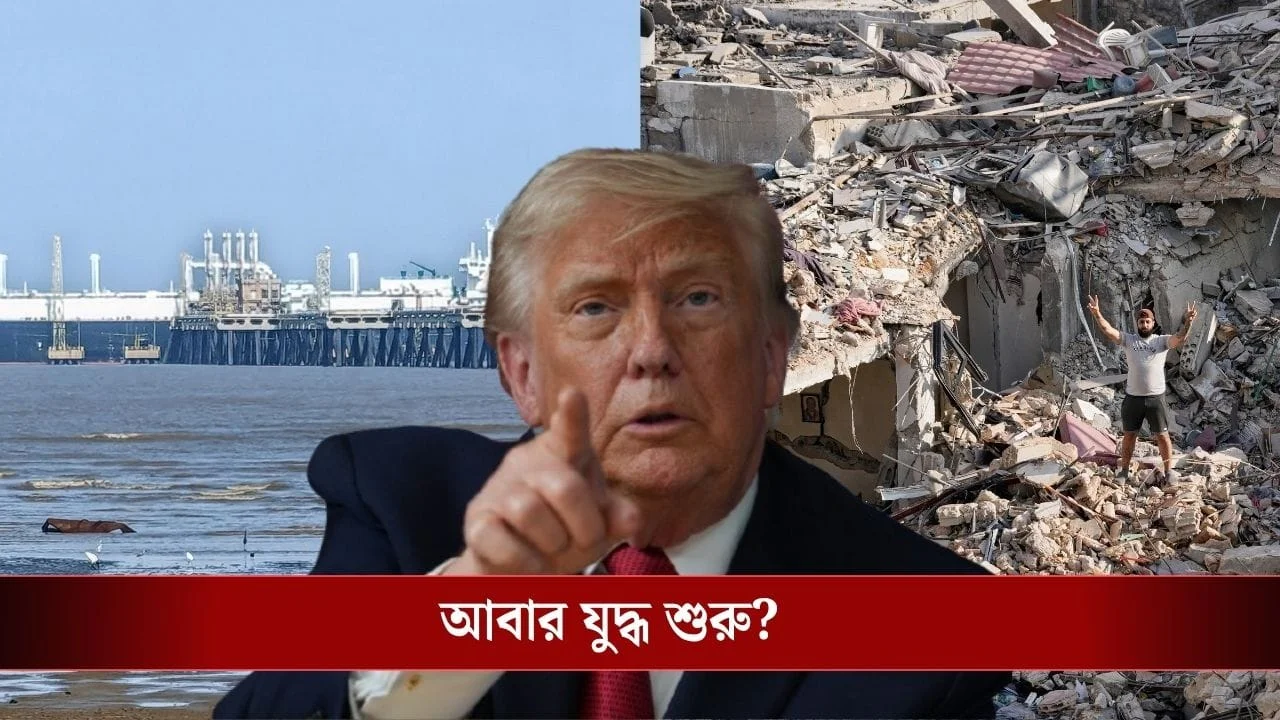
Former President Trump weighed in on the situation before the strikes were confirmed. He blamed Iran for a drone attack on a cargo ship in the strait and characterized the act as a foolish violation of the ceasefire understanding with the United States.
Trump detailed that a drone struck the top deck of the ship, causing damage but allowing the vessel to continue its journey. He also noted that American forces successfully intercepted and shot down three other drones in the vicinity.
The specific identity of the ship and the exact timing of the initial drone strike were not disclosed in Trump's public statement. However, British military authorities had reported on Thursday that a vessel was hit by a missile off the coast of Oman.
The U.S. strikes occur at a particularly sensitive moment in relations between the two countries. Both Washington and Tehran have been working to find a lasting resolution to their long-standing conflicts through diplomatic channels.
Negotiations have centered on several critical points of contention between the two nations. The right of passage for commercial shipping through the Strait of Hormuz remains a central issue in the discussions.
The future of Iran's stockpile of highly enriched uranium has also been a major topic of concern. International observers have expressed worry about Tehran's nuclear advancements in the absence of a formal agreement.
Under the framework of the current talks, both parties have been given a 60-day window to finalize details. The timeline suggests that both sides are under pressure to reach a mutually acceptable arrangement.
The United States has consistently maintained that it seeks a diplomatic solution to the nuclear issue. However, American officials have repeatedly stated that military options remain on the table if Tehran violates its commitments.
Iran has historically insisted on its right to peaceful nuclear technology. The regime has also demanded relief from crippling economic sanctions as part of any new understanding.
The Strait of Hormuz is a critical chokepoint for global oil shipments. Roughly one-fifth of the world's petroleum passes through the waterway daily.
Any disruption to traffic in the strait would have severe implications for global energy prices. The region's stability is therefore of paramount interest to the international community.
The recent exchange of fire highlights the volatile security environment in the Gulf. Both the U.S. and Iran have engaged in similar strikes in the past, raising fears of a broader conflict.
The U.S. military presence in the region has been reinforced in recent weeks. Naval assets and air defense systems have been deployed to protect commercial shipping lanes.
American commanders have stated that their forces are prepared to respond to any threats. The message is intended to deter Iranian aggression against maritime targets.
The Iranian government has not yet issued an official response to the U.S. strikes. Local media reports have been cautious in covering the events near the strategic waterway.
International maritime safety organizations have issued warnings to commercial shipping. Vessels are advised to exercise extreme caution when transiting the area.
The U.S. continues to coordinate with regional allies in the Gulf. The coalition's objective is to ensure the free flow of commerce and maintain stability.
The incident has drawn reactions from various global powers and regional actors. Many are calling for restraint and a de-escalation of the current tensions.
Observers note that neither side appears interested in a full-scale war. However, the risk of miscalculation remains high given the proximity of forces.
The next 60 days will be crucial for determining the trajectory of U.S.-Iran relations. The outcome of the negotiations will likely shape the security landscape of the Gulf for years to come.
The White House has emphasized that it is monitoring the situation closely. There is hope that the renewed dialogue will lead to a comprehensive and lasting agreement.