The FIFA World Cup 2026 has reached a pivotal moment. With the group stage wrapped up across three host nations, 32 teams now prepare for the newly introduced round of 32 in what promises to be one of the most competitive tournaments in soccer history.
This edition marks the first World Cup with 48 participating teams, a significant expansion from the traditional 32. Hosted jointly by Canada, Mexico, and the United States, the event spans 16 cities and features 104 matches total. Fans across the United States and worldwide have embraced the scale, with stadiums packed and global viewership soaring.
The format change aims to give more nations a realistic chance at glory while maintaining high competitive standards. Twelve groups of four teams each competed in the opening phase. Each squad played three matches, earning three points for a win, one for a draw, and none for a loss.
World Cup 'Has Been Sold Out,' Claims German Legend Philipp Lahm in Scathing Attack on FIFA

Advancement rules proved straightforward yet demanding. The top two teams from every group secured automatic passage to the knockout rounds. To fill the 32-team bracket, organizers selected the eight best third-place teams based on points, goal difference, goals scored, and additional tiebreakers when necessary.
This structure ensures that strong performers advance while rewarding consistent results across the groups. It also introduces added pressure, as even third-place finishes can lead to the next stage if records stand out among peers.
The knockout phase begins with the round of 32, adding an extra layer absent in previous World Cups. Winners progress to the round of 16, then quarterfinals, semifinals, and ultimately the final scheduled for July 19, 2026, at MetLife Stadium in New Jersey. A third-place match also features in the schedule.
Powerhouses like Argentina, Brazil, France, Germany, England, and Spain entered as favorites, drawing massive attention from American soccer enthusiasts. Host nations Mexico, Canada, and the United States benefited from home support, with Mexico and the U.S. positioned strongly in early groups.
Group A featured Mexico alongside South Africa, Korea Republic, and a playoff qualifier. The co-hosts leveraged passionate crowds in Mexican venues. Similar energy surrounded Canada in Group B and the United States in Group D.
European teams demonstrated depth once again. Nations from UEFA brought tactical sophistication and star power. South American sides, led by Brazil and Argentina, showcased flair and attacking prowess familiar to fans. African representatives, including Morocco and Senegal, continued their rise as competitive forces.
Asian teams such as Japan, South Korea, and Iran added technical quality and resilience. The expanded field allowed more teams from CONCACAF, CONMEBOL, AFC, CAF, and other confederations to participate, broadening the tournament's global appeal.
Stadiums across North America delivered memorable atmospheres. Iconic venues in cities like Los Angeles, New York/New Jersey, Dallas, Atlanta, and Toronto hosted high-profile matches. Fans enjoyed modern facilities, efficient transportation links, and vibrant fan zones in each host city.
The group stage produced plenty of surprises and standout performances. Underdogs challenged established teams, leading to tight standings and dramatic final matches. Goal tallies, defensive records, and individual brilliance shaped which squads advanced as group winners, runners-up, or top third-placed teams.
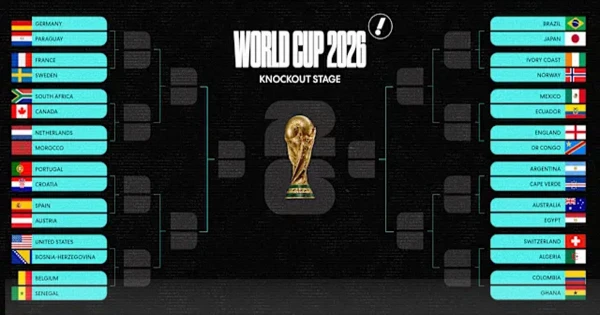
Predicting outcomes became a popular activity for fans. Bracket predictors and printable charts circulated widely online, allowing enthusiasts to map potential paths to the final. Discussions around best third-place teams added another dimension to fan engagement.
As the round of 32 bracket takes shape, matchups promise excitement. Group winners often face third-placed teams, while some runners-up square off against other top sides. This setup creates varied challenges and opportunities for deep runs by emerging nations.
Injuries, form, and tactical adjustments will play key roles moving forward. Coaches must manage player fatigue after the group phase while preparing for single-elimination pressure, where one mistake can end a campaign. Extra time and penalty shootouts add further intensity to knockout games.
The expansion to 48 teams has sparked debate among analysts. Supporters highlight greater inclusivity and more opportunities for developing soccer nations. Critics point to potential dilution of quality, though early matches demonstrated competitive balance overall.
For the United States audience, this tournament represents a landmark event. American fans have followed domestic leagues like MLS closely, and the World Cup boosts interest in the sport nationwide. Local heroes and international stars create compelling storylines that resonate across generations.
Television broadcasts, streaming options, and digital platforms ensure wide accessibility. Networks provide extensive coverage, including highlights, analysis, and behind-the-scenes features. Social media amplifies discussions, with brackets and predictions trending heavily.
Looking ahead, the path to the final demands endurance and excellence. Teams must navigate up to eight matches total to claim the trophy, one more than in prior editions. This tests squad depth, coaching strategy, and mental resilience.
Host cities have invested significantly in infrastructure. Upgrades to stadiums, training facilities, and public transport enhance the experience for players, officials, and spectators. Economic benefits extend to local businesses, tourism, and communities throughout Canada, Mexico, and the U.S.
Security, logistics, and sustainability efforts underscore the tournament's organization. FIFA and host committees prioritized fan safety and environmental considerations, setting standards for future major events.
Cultural exchanges flourish as supporters from diverse backgrounds converge. Festivals, exhibits, and community programs celebrate soccer's unifying power. Young players in North America draw inspiration from watching elite competition unfold nearby.
The round of 32 bracket offers multiple intriguing possibilities. Strong European sides could meet South American challengers earlier than expected. Emerging teams might produce Cinderella stories reminiscent of past surprises. Every match carries weight, with no second chances.
As excitement builds toward the later stages, attention turns to key players. Veterans seeking final triumphs share the spotlight with rising talents eager to make their mark. Individual awards, including the Golden Boot, add personal stakes to team ambitions.
The 2026 World Cup already stands out for its scale and innovation. The expanded format, cross-border hosting, and passionate fan support create lasting memories. For American viewers, it reinforces soccer's growing footprint in the national sports landscape.
Remaining matches will determine which squad lifts the iconic trophy on July 19. Regardless of the outcome, the tournament showcases the beautiful game's global reach and enduring appeal. Fans everywhere anticipate more unforgettable moments in the weeks ahead.
The journey from group stage survival to knockout dominance highlights soccer's unique blend of skill, strategy, and drama. With 32 elite teams now competing for supremacy, the 2026 FIFA World Cup delivers the high-level competition enthusiasts crave.