Keir Starmer has stepped down as leader of the Labour Party and Prime Minister of the United Kingdom, ending a brief and challenging period at the helm of British politics. His resignation, announced on June 22, 2026, comes less than two years after Labour's landslide victory in the July 2024 general election. Starmer will remain in his role as caretaker prime minister until the party selects a successor, widely expected to be Andy Burnham, the former mayor of Greater Manchester who recently secured a significant by-election win in Makerfield.
The decision marks another chapter in the UK's recent political instability. Starmer becomes the sixth prime minister in roughly a decade to leave office without completing a full term, highlighting the intense pressures facing leaders in a divided nation. His exit follows mounting internal party discontent, disappointing local election results, and criticism over key policy decisions.
Starmer entered Downing Street in July 2024 with a historic parliamentary majority. Labour secured a commanding number of seats despite receiving just 34 percent of the national vote, one of the lowest shares for any majority government in modern British history. The victory reflected widespread frustration with the previous Conservative administration after 14 years in power, rather than overwhelming enthusiasm for Labour's platform.
Yet public approval for Starmer remained lukewarm from the start. Pre-election polls showed him with deeply negative net ratings, a historic low for an incoming prime minister. Satisfaction levels hovered around 31 percent, with more than half of respondents expressing dissatisfaction. This cautious public sentiment never fully transformed into strong support during his time in office.
Early in his tenure, Starmer's approval saw a modest bump typical for new leaders. Polls briefly moved into positive territory before settling near neutral. Unlike predecessors such as Tony Blair in 1997, who enjoyed a significant post-election surge, Starmer's ratings failed to sustain momentum. Economic challenges, public service strains, and internal party tensions quickly eroded any honeymoon period.
Several factors contributed to the erosion of support. Local elections in May 2026 delivered poor results for Labour, with losses to Reform UK in traditional working-class areas and gains by the Greens and independents in urban progressive strongholds. By-elections further exposed vulnerabilities, including the high-profile contest in Makerfield where Burnham triumphed decisively.
Reform UK capitalized on discontent in industrial heartlands, drawing votes away from Labour's traditional base. Meanwhile, progressive voters shifted toward the Green Party and pro-Palestine independents amid debates over foreign policy and domestic priorities. These shifts fragmented Labour's coalition, mirroring earlier challenges faced by Jeremy Corbyn during the Brexit era.
Starmer's government grappled with persistent issues including cost-of-living pressures, NHS waiting lists, housing shortages, and defense spending needs. Recent announcements on defense investment highlighted fiscal constraints, leaving difficult choices for the incoming leadership. Critics pointed to policy U-turns and a perceived disconnect with voters' everyday concerns.
The resignation followed intense behind-the-scenes discussions. Support within the cabinet and parliamentary party had evaporated, prompting Starmer to act before facing a formal leadership challenge. He emphasized an orderly transition, aiming to avoid the chaotic departures seen under Boris Johnson and Liz Truss. In his emotional farewell remarks, Starmer reflected on his service and commitment to the country.
This development underscores deeper patterns in British politics since the 2016 Brexit referendum. Deep societal divisions along lines of identity, geography, and values have made stable governance difficult. Voters often unite against a common opponent but fracture over specific policies, creating fragile mandates for leaders.
The Brexit vote realigned British politics, creating new fault lines that continue to influence elections. Traditional party loyalties have weakened, with voters increasingly motivated by cultural and regional identities. This environment has rewarded short-term opposition gains but punished governing parties facing complex trade-offs.
Labour's 2024 victory, while decisive in seats, rested on a narrow vote share. The first-past-the-post system amplified the majority, but underlying support proved shallow. Similar dynamics contributed to the rapid collapse of previous Conservative majorities. Political analysts note that modern mandates often prove more temporary than they initially appear.
Andy Burnham emerges as the strong favorite to replace Starmer. His track record as Greater Manchester mayor earned him a reputation for pragmatic regional leadership and strong communication skills. Burnham has signaled intentions to devolve more power from London, address regional inequalities, and pursue "good growth" focused on living standards. He is expected to face nominations in early July, with the process concluding quickly.
The leadership transition occurs against a backdrop of broader challenges. The UK faces economic headwinds, geopolitical tensions, and the need to rebuild public trust in institutions. Whoever assumes the role will inherit fiscal pressures, including those related to defense commitments and public service funding.
Starmer's tenure saw efforts to stabilize institutions after years of upheaval. His background as a former director of public prosecutions informed a methodical, rules-based approach. Supporters credit him with restoring some stability to government operations, while detractors argue he struggled to inspire a compelling vision for the future.
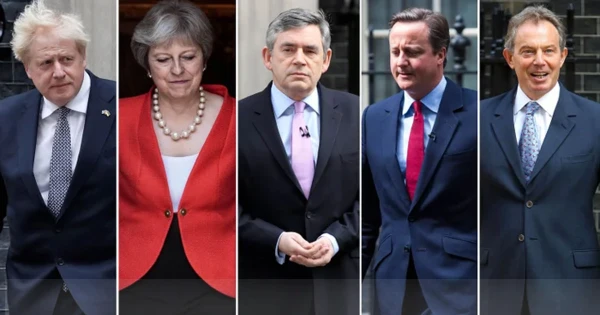
British politics has entered a period of heightened volatility. Since David Cameron's resignation in 2016, the country has seen rapid turnover at the top: Theresa May, Boris Johnson, Liz Truss, Rishi Sunak, and now Keir Starmer. This pattern reflects both external shocks and internal party dynamics.
Looking ahead, the new leader will need to navigate a fragmented political landscape. Reform UK continues to attract support in certain regions, while smaller parties challenge Labour on both flanks. Rebuilding a broad coalition capable of governing effectively through 2029 and beyond presents a formidable task.
Starmer's departure highlights the personal toll of high office in today's environment. Leading through economic recovery, post-pandemic adjustments, and polarized debates demands resilience and adaptability. His decision to step aside aims to give Labour a fresh start at a critical juncture.
As the leadership contest unfolds, focus will turn to policy priorities and party unity. Issues like economic growth, immigration, housing, and Britain's role in global affairs will shape the debate. The outcome will influence not only domestic politics but also international perceptions of UK stability.
The coming weeks will test Labour's ability to renew itself. Burnham's potential ascension represents a shift toward more regionally attuned leadership. Whether this change can restore public confidence remains to be seen amid ongoing national challenges.
British democracy has proven resilient through periods of change. The orderly nature of Starmer's exit provides a foundation for continuity. Yet the underlying divisions that have defined recent years persist, requiring thoughtful leadership and cross-party cooperation where possible.
Keir Starmer's time as prime minister will be remembered as a period of transition. From opposition leader to head of government, he delivered electoral success but faced the harsh realities of governing a divided nation. His resignation opens a new phase in the UK's evolving political story.
The Rise and Rapid Decline of American Global Dominance: What the End of the Unipolar Era Means