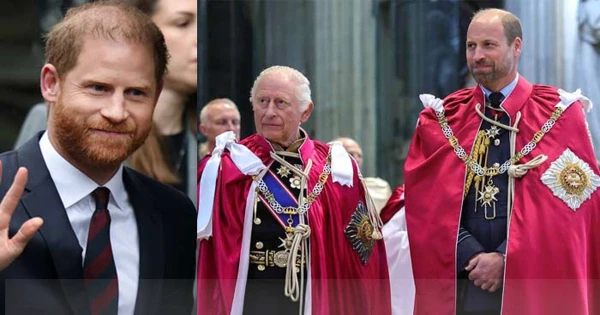
Prince Harry has reignited public discussion about his strained family relationships following a recent court ruling on his personal security arrangements in the United Kingdom. The Duke of Sussex lost his appeal against the decision to limit taxpayer-funded protection during visits to Britain, prompting his legal team to highlight what they describe as uneven representation on the key security committee.
The dispute centers on the Royal and VIP Executive Committee, known as RAVEC, which determines protection levels for members of the royal family and other public figures. Harry's representatives asserted that staff from both King Charles and Prince William, the Prince of Wales, hold positions among the committee's nine members. While the involvement of the King's office had been noted in earlier reports, the mention of William's staff marked a new element in the public debate.
Those close to Harry have pointed out that three committee members come from the offices of his father and brother combined. However, officials from the Home Office and Buckingham Palace have consistently maintained that security decisions are made solely by professional experts on the committee, free from undue influence.

A confidential security assessment obtained by ITV News underscores the elevated risks Harry faces. The report identifies at least six terrorist plots targeting him, with five originating in the United Kingdom. These threats include jihadist and right-wing actors, and the document also references past calls for his assassination by groups like al-Qaeda.
The Duke of Sussex has long expressed concerns that senior figures within the royal household have opposed providing him and his family with consistent, publicly funded security. This perception has deepened the rift since he and his wife, Meghan Markle, stepped back from their roles as working royals in 2020 and relocated to the United States.
Harry's team had anticipated a more comprehensive review of security measures ahead of potential family travel. Plans to bring Meghan and their two children, Prince Archie and Princess Lilibet, were based on expectations of strengthened arrangements. Instead, correspondence received late last week offered only contact details for a police liaison officer during his visit, without additional protective provisions.
This development leaves Harry weighing whether to proceed with the trip accompanied by his family to a country he views as posing significant safety challenges. The situation highlights the complex balance between royal status changes and personal security needs in an era of heightened global threats.
The Court of Appeal's recent decision upheld the original determination that Harry's reduced security reflected his changed circumstances after leaving official duties. Judges acknowledged his strong feelings on the matter but found no legal grounds to overturn the committee's assessment. The ruling emphasized that protection is now evaluated on a case-by-case basis rather than automatically provided as it was during his time as a senior working royal.
Broader implications extend beyond the immediate family. The case has sparked conversations about how security protocols adapt when royals pursue lives outside traditional roles. It also raises questions about the costs and responsibilities borne by British taxpayers for protecting high-profile figures living abroad.
King Charles has faced his own health challenges in recent years, adding another layer of sensitivity to family dynamics. Public interest remains high in any signs of reconciliation between Harry, William, and the wider monarchy. Harry has previously expressed a desire to rebuild ties, though security concerns continue to serve as a significant barrier.
Security experts note that high-profile individuals like Harry attract persistent threats due to their visibility and past roles. Private protection options exist but come at substantial personal expense, prompting ongoing debates about fairness and necessity.
As the situation evolves, observers watch closely for any updates from RAVEC or further statements from the parties involved. The episode underscores the enduring public fascination with the British royal family and the personal toll of life in the spotlight.
In the meantime, Harry continues balancing his life in California with occasional returns to the UK for charitable work, including Invictus Games-related events. The outcome of his latest security efforts will likely influence future family visits and the broader narrative surrounding royal relationships.