


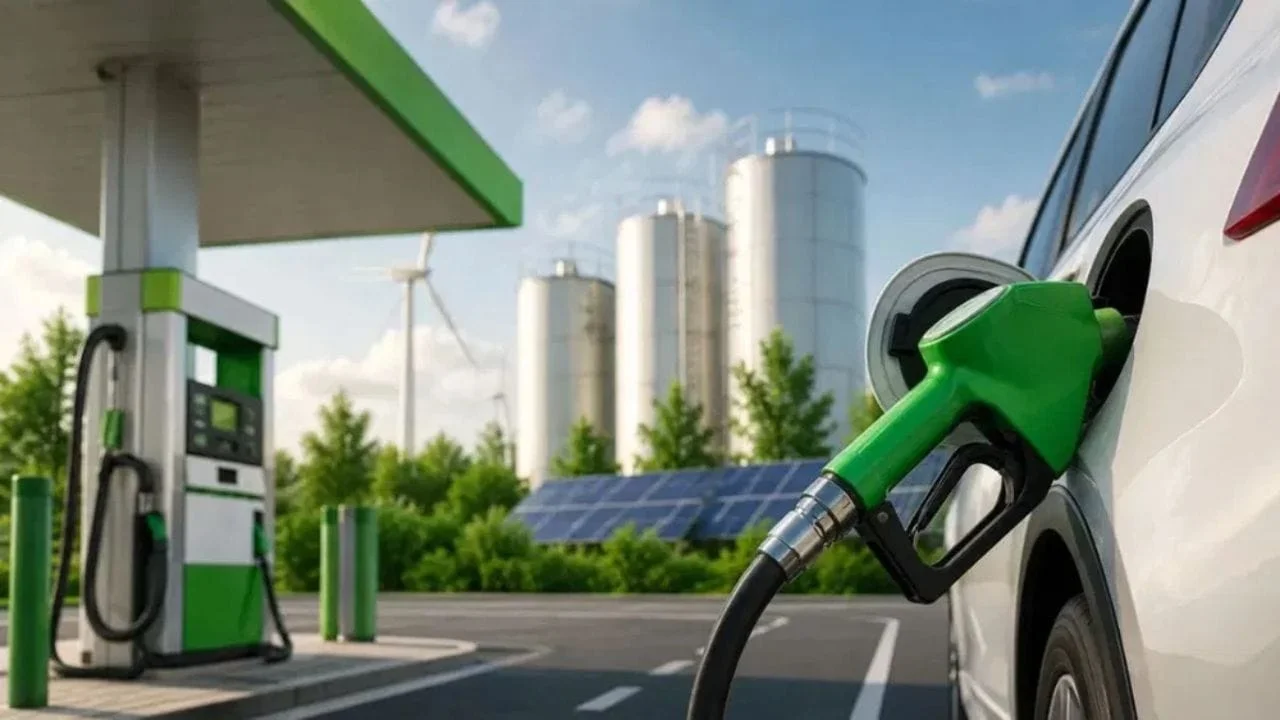
New Delhi: Ethanol fuel (E-100) is about to be introduced in India. Finally, the central government approved the introduction of 100 percent ethanol (E-100 Fuel). Till now ethanol blended fuel was used.
That is, petrol is sometimes mixed with 20 percent, and sometimes up to 85 percent ethanol is being used as fuel. It was heard that 100 percent usage will be approved soon. Finally, Union Minister Nitin Gadkari announced that ethanol-powered cars will be on the road very soon.
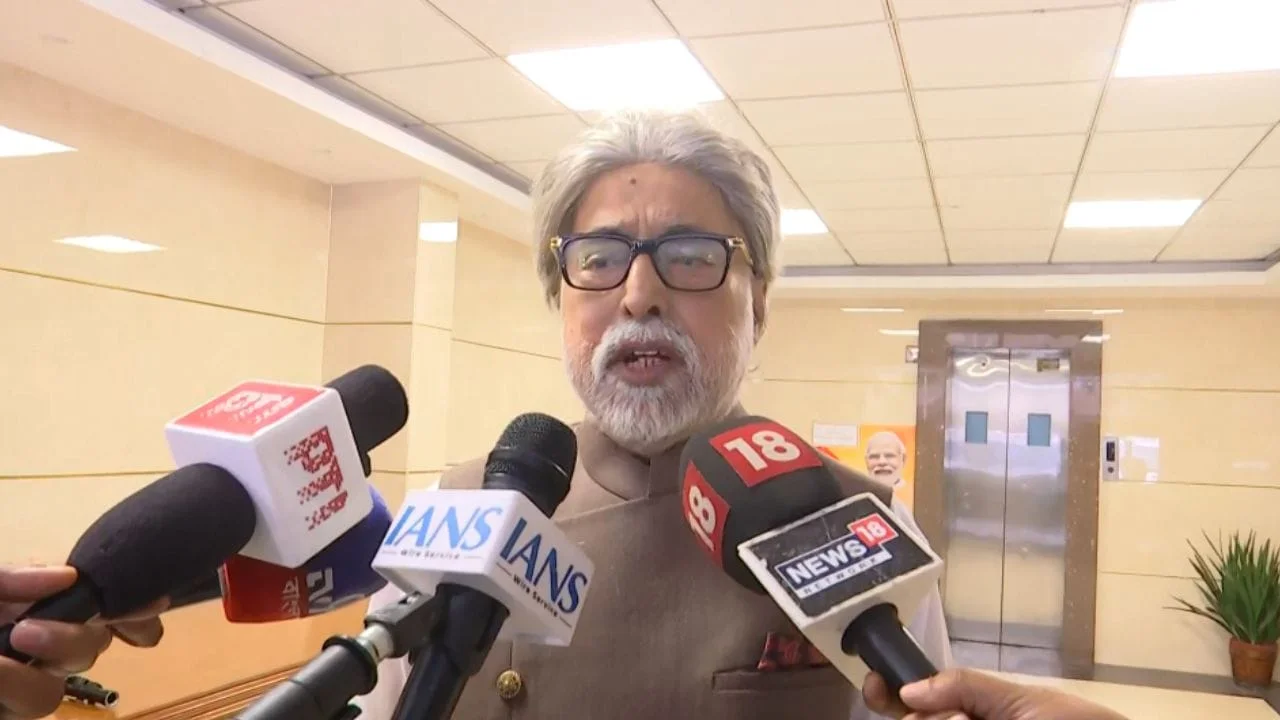
Petrol-diesel will not be needed in future. Nitin Gadkari went to an event in Nagpur, Maharashtra. From there, he said, "I signed the file at 8 o'clock on Friday night.
The legal approval for the use of 100 percent ethanol has been finalized." The minister feels that this decision will greatly reduce India's dependence on energy imports and save foreign exchange. Ethanol-powered cars are coming to the market, Nitin Gadkari said, the country's Flex-Fuel transport system is developing rapidly. Several car companies have already launched 100 percent ethanol-powered versions.
He has already launched a model of Maruti Suzuki Wagoner. Which will run on 100 percent ethanol. Besides, two more motorcycles have come in the market which will run entirely on ethanol.
More cars with 100 percent ethanol are going to come in the market in the future. Is this E-100 or 100 percent ethanol fuel? E-100 is a type of fuel that is made entirely of ethanol.
Ethanol is usually produced from sugarcane, corn and other agricultural products. E-100 fuel will use only ethanol, although ethanol is currently mixed with petrol in a certain ratio. This will require a specially developed flex-fuel engined vehicle.
Such vehicles can run on petrol, pure ethanol or a mixture of the two and use the same fuel tank. Why is this decision important? India imports about 90 percent of its crude oil from abroad.
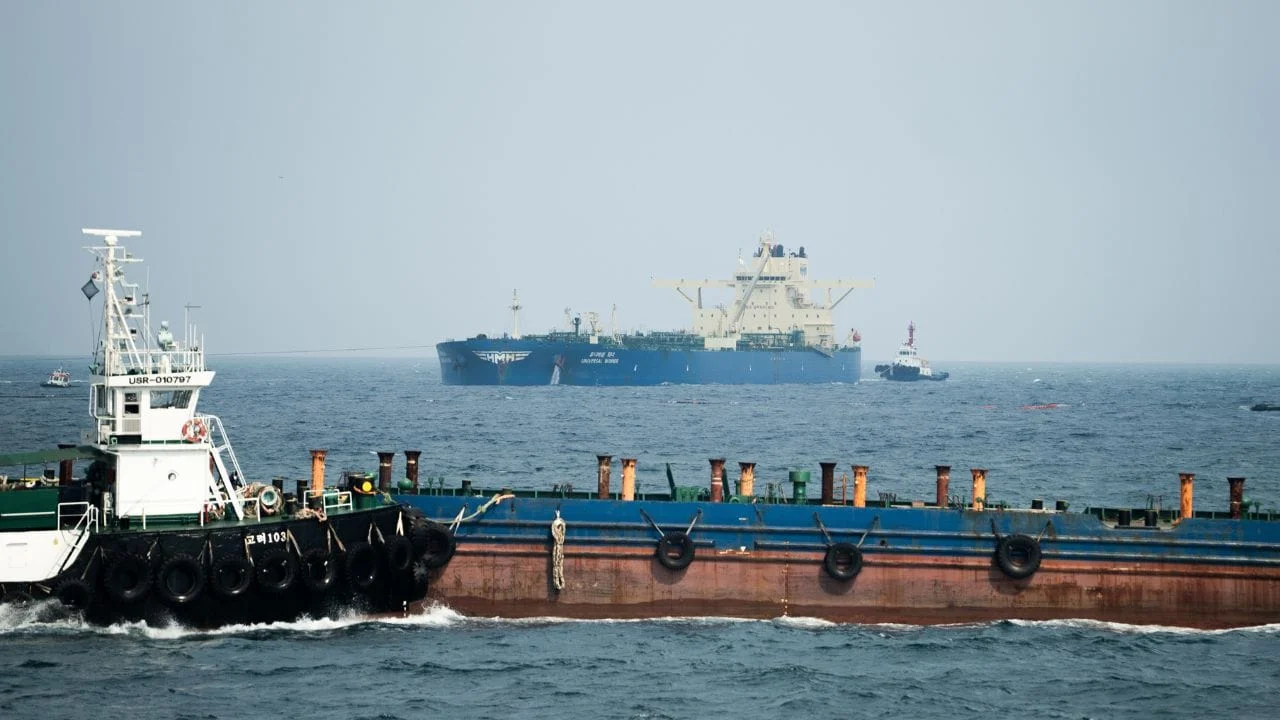
As a result, the price of oil is increasing in the international market. Which has a direct impact on the Indian economy. Increasing tensions in West Asia and uncertainty in oil supply, particularly around the Strait of Hormuz, have led India to focus on alternative fuels.