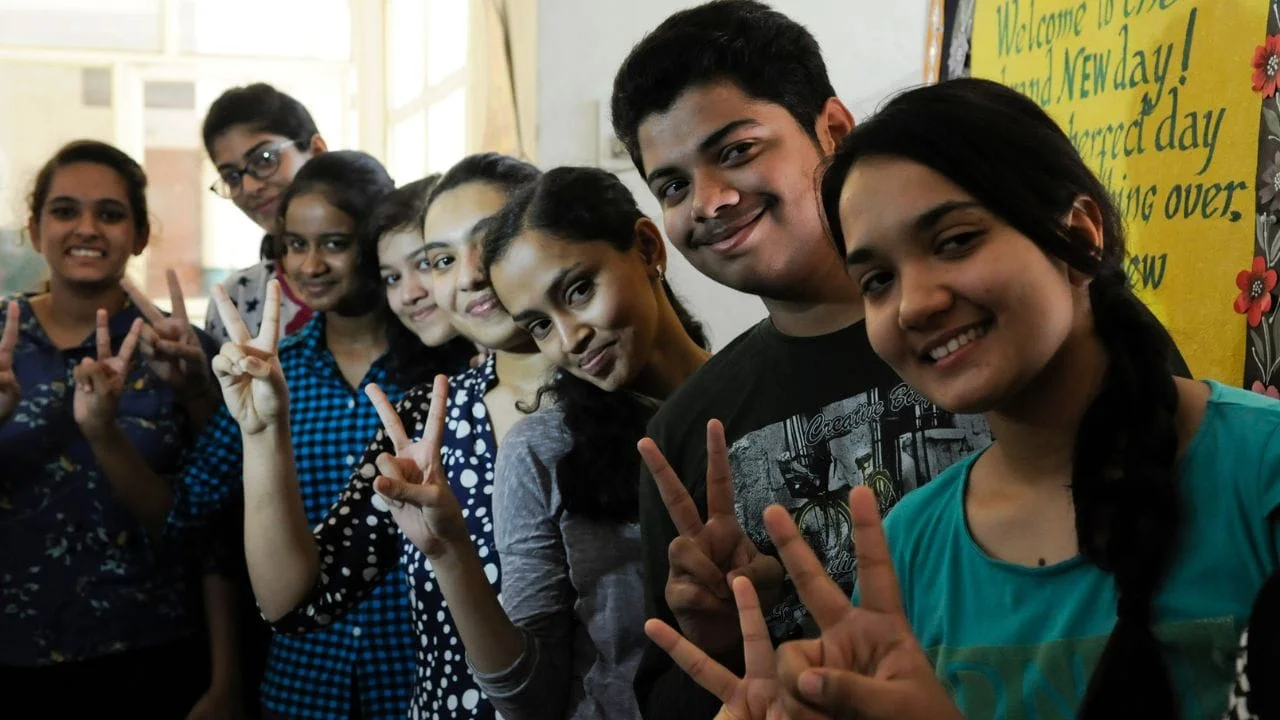




A social media post detailing how American-raised children were advised to "tone down" their classroom behaviour after enrolling in an Indian high school has gone viral, sparking intense debate about cultural differences in education.
The post, shared by a US-based professional, recounted the experience of a friend who recently returned to India with his family after living in the United States for several years.
The children, born and raised in America, reportedly adjusted well to their new academic environment and performed strongly in their studies at an Indian high school.
However, during a routine parent-teacher meeting, educators suggested that the students needed to moderate their questioning and debating style, which was perceived as aggressive by some teachers.
The teachers advised the parents that the children should "appear more respectful" when engaging in classroom discussions, raising concerns about differing cultural expectations around student participation .
This incident has highlighted a fundamental contrast between educational philosophies in the two countries, with many observing that American schools typically encourage active questioning and critical thinking.
In US classrooms, students are often praised for challenging ideas respectfully and participating vigorously in discussions, with curiosity viewed as a sign of engagement and independent thought .
By contrast, in many traditional Indian classrooms, questioning teachers or debating viewpoints can sometimes be interpreted as confrontational or disrespectful rather than as constructive academic engagement.
The original post concluded with a poignant observation about how the simple act of asking "Why?" can carry vastly different meanings depending on cultural context .
Online reactions to the viral post have been sharply divided, reflecting broader societal disagreements about educational values and cultural expectations.
Many social media users agreed that Indian educational and workplace cultures remain heavily influenced by hierarchical structures where questioning authority figures is sometimes viewed negatively.
One commenter noted that respect is often equated with compliance in traditional Indian settings, which can make open debate and critical thinking more difficult to practice .
Others pointed out that Indian teachers face immense pressure to complete extensive syllabi and prepare students for high-stakes examinations, leaving limited time for open classroom discussions.
However, critics of the post argued that the teachers' comments may have been misinterpreted, suggesting the issue was likely about tone and etiquette rather than discouraging questions.
These voices maintained that Indian schools generally welcome participation but also place strong emphasis on respectful interaction with teachers and classmates.
Some argued that the advice to "tone down" might simply reflect a need for students to adapt their communication style to a different cultural setting.
The discussion has reignited a broader conversation about whether modern classrooms should balance discipline with curiosity-driven learning, and how schools can best prepare students for global citizenship.
As more families relocate internationally for work or personal reasons, children increasingly navigate different educational environments with varying social norms and expectations.
This cultural transition can pose significant challenges for students who must adapt to new academic systems while maintaining their natural curiosity and engagement.
While the claims in the viral post remain anecdotal, the debate reflects wider tensions about educational philosophies, student autonomy, and cultural identity in an interconnected world .
In Indian classrooms, the traditional model has often emphasized listening, note-taking, and memorization as core learning strategies, while discussion-based learning has been less central to the curriculum.
The emphasis on respect for elders and authority figures in Indian culture naturally extends into educational settings, influencing how students interact with teachers.
This cultural value can sometimes conflict with Western educational approaches that prioritise student voice, questioning, and collaborative learning.
Educational experts suggest that finding a middle ground between these approaches could benefit students by developing both critical thinking skills and cultural awareness.
Some progressive Indian schools are already incorporating more discussion-based learning and encouraging students to ask questions, recognising the importance of these skills.
Meanwhile, educators in the United States increasingly recognise the value of structured discipline and respect in creating effective learning environments.
The viral discussion serves as a reminder that educational approaches are deeply rooted in cultural values and that effective teaching must consider these differences.
Parents who relocate internationally face the challenge of supporting their children through this cultural adjustment while advocating for their educational needs.
Ultimately, the debate highlights the importance of cultural sensitivity in education and the need for schools to adapt to increasingly diverse student populations.
As global mobility continues to increase, educational systems worldwide will need to find ways to accommodate different learning styles and cultural backgrounds.
This incident underscores the ongoing evolution of educational practices in both India and the United States as they learn from each other's approaches.
The conversation about classroom culture, respect, and student engagement is likely to continue as more families experience these cultural transitions firsthand.
While there is no single correct approach to education, understanding and respecting different cultural norms can help create more inclusive learning environments for all students.